Free SMS Verification Safety 2026: Cross-Border E-Commerce Risks
Free SMS Verification Safety 2026: Cross-Border E-Commerce Risks
Let's cut to the chase: Free SMS verification itself isn't toxic, but in 2026's cross-border e-commerce ecosystem, roughly 90% of "free" verification services come with costs you won't see until it's too late. Not technical costs — account security costs, frozen fund costs, and legal compliance costs. A growing number of cross-border sellers report that their biggest headache this year isn't traffic. It's the sinking feeling when you realize the virtual number you grabbed for convenience now blocks you from accessing your own funds. This article lays out the real risks, no fluff.
2026 Reality Check: Risk Controls Just Got a Lot Tougher
From what I've seen across multiple cross-border seller communities, the first half of 2026 marked a major shift. Temu, TikTok Shop, Amazon, and other major platforms all rolled out stricter account security validation systems. The most noticeable change: withdrawals now require you to verify via SMS on the exact phone number you used during registration. No exceptions.
Industry data suggests that over 35% of recent account bans and fund freezes trace back to cheap disposable virtual numbers used during initial registration. When platforms updated their rules, those numbers went dead, verification codes stopped arriving, and swapping numbers triggered full-chain audits — creating a dead end that sellers can't escape.
And it's not just about bans. In March 2026, China's first national standard for cross-border personal information security took effect, introducing stricter compliance requirements around phone number usage in cross-border operations. The bottom line: the SMS service you use today doesn't just affect your account safety — it could also put you on the wrong side of regulations.
Three Real Risks of Free SMS Verification
Risk 1: Shared Numbers Lead to Guilt by Association
Most free SMS platforms hand out publicly shared numbers. You use one to register a Shopify store; someone else uses the same number for a shady operation. When the platform's risk detection system flags that number for suspicious activity, your store gets hit too. In 2026, TikTok rolled out cross-site risk detection globally — registering multiple stores across regions with the same number now triggers an automatic violation flag.
Risk 2: Numbers Disappear Right When You Need Them Most
Industry consensus is that most free SMS platforms in 2026 have a number retention window of 7 to 30 days. That number you used to register? It could be dead in a month. If the platform decides to challenge you with a two-factor verification right at that moment — say, for a withdrawal, a password change, or a new device login — you won't get the code. And you'll be locked out.
Risk 3: Legal Gray Zones That Can Get Shut Down Overnight
At the legal level, SMS verification platforms operate in the telecom space. If their services are used for fake registrations, click fraud, promo abuse, or even phishing, the operators can face criminal charges. And in 2026, regulators are cracking down harder than ever on the gray-industry supply chain. If your SMS provider gets shut down, every account linked to their numbers could be retroactively flagged.
How to Pick a Reliable SMS Verification Service in 2026
Here's a practical filter framework I've seen work well across the industry. Evaluate any service on three dimensions:
- Number exclusivity — Is the number dedicated to you alone? Shared numbers are the root of most account ban problems we've discussed. Even if it's cheap, don't touch it.
- Number lifespan — Does the provider clearly state how long the number stays active? Can you renew it before it expires? The feedback I hear most often isn't about cost — it's about numbers vanishing without warning.
- Compliance transparency — Does the provider have legitimate telecom business licenses? Do they clearly explain how data is stored and transferred across borders in a compliant way?
One platform that's earned consistent positive feedback in the cross-border community is Getfollow, which operates on a model of dedicated numbers, extended retention periods, and compliant information flow. That doesn't mean it's the right fit for everyone — but it's a solid benchmark. Test with a small account first, confirm the number stays active and compatible with your target platforms, then scale up.
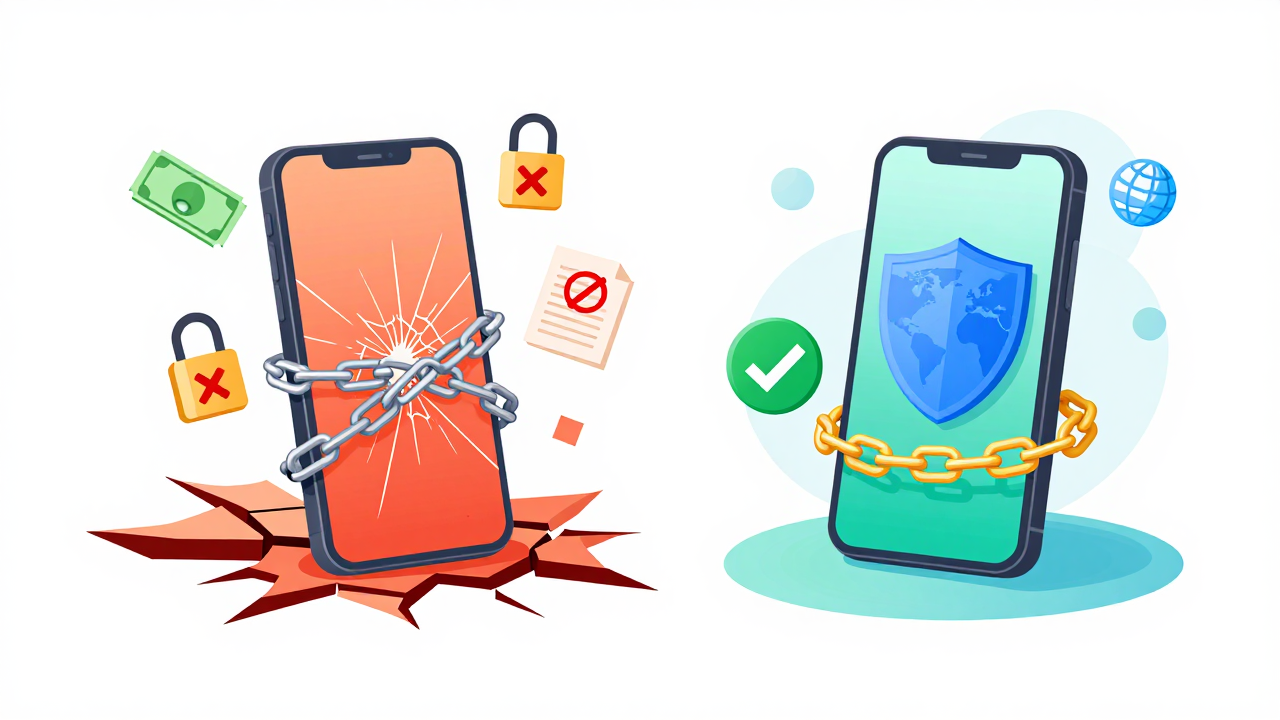
Service Models Compared
| Service Type | Number Exclusivity | Average Active Period | Account Ban Contagion Rate (2026) | Best Use Case |
|---|---|---|---|---|
| Free public SMS platforms | Publicly shared | 7–14 days | High (30%–50%) | One-time tests, temporary verification |
| Low-cost virtual number pools | Semi-shared (random assignment) | 15–30 days | Medium (15%–25%) | Short-term operations, non-core accounts |
| Compliant dedicated number services (e.g., Getfollow) | Dedicated and exclusive | 60+ days (renewable) | Low (under 5%) | Primary stores, withdrawal accounts, long-term operations |
The pattern is clear: the true cost of "free" or "cheap" SMS verification tends to hit you six months down the road. In 2026, your cross-border accounts are assets. And smart asset management doesn't optimize for today's penny — it protects tomorrow's profit.
So, Is Free SMS Verification Safe in 2026?
Back to the original question. Safety doesn't depend on the act of using SMS verification itself. It depends on the platform you choose and how you use it. For one-off testing and non-critical account registration, free SMS services are fine. But for your main store, your payment-linked accounts, and anything that carries real business value — go with a dedicated, long-retention, compliant service.
One piece of practical advice I'd give any seller: whatever provider you're considering, start with one or two non-critical accounts and run a week-long stability test. Confirm that codes arrive and leave reliably, the number stays active, and the platform's risk system doesn't flag it. Then migrate your main accounts. The consensus across the 2026 cross-border community is simple — go a little slower, but don't bet your account security on a service you can't trust.
Frequently Asked Questions
Can free SMS verification get my account banned?
Yes, it's possible. In 2026, risk control systems on major e-commerce and social media platforms actively flag known virtual number ranges. If you're using a shared number or one from a flagged pool, you can expect extra verification prompts at best and an outright ban at worst. Avoid using SMS verification numbers for your primary business accounts.
Are SMS verification platforms legal?
It depends on how they operate and what they're used for. A platform that runs legitimate telecom services, sources numbers legally, and serves legitimate users is operating within compliance boundaries. But if the provider knowingly supports fake registrations, click fraud, or scams, both the operator and the users can face legal consequences.
How do I choose a trustworthy SMS verification provider?
Use three filters. First, confirm the number is dedicated to you alone — shared numbers carry the highest risk. Second, check that the number's lifespan is clearly stated and renewable, so it doesn't vanish mid-operation. Third, verify that the provider has proper telecom compliance credentials and transparent data handling practices that meet 2026 cross-border standards. A platform like Getfollow has built a solid reputation around dedicated numbers and transparent lifecycle management, making it a useful benchmark when comparing providers. Start with a small test, confirm stability, then scale up your investment.
Which platforms are toughest on virtual numbers in 2026?
Temu, TikTok Shop, Amazon Europe, and Shopify have the strictest phone number verification policies this year. Withdrawals, business account verification, and video identity checks are the most common points where virtual numbers get blocked. Facebook and Google Ads accounts also show a high ban rate for virtual number ranges.
Can I use free SMS platforms at all?
For temporary, non-critical tasks — like testing a new account or one-time verification — free platforms are fine. But don't use them for any cross-border account that supports ongoing business operations. Free platforms have high number reuse rates and short lifecycles. If the number fails at a critical moment, the cost of lost access and frozen funds will far outweigh the few cents you saved on SMS verification.