Setting Up a SMS Verification Platform: 2026 Pitfalls Every Cross-Border Business Must Avoid
Setting Up a SMS Verification Platform: 2026 Pitfalls Every Cross-Border Business Must Avoid
After years in the cross-border space, I've watched too many teams stumble when setting up an SMS verification platform. Some grabbed cheap source code and built it themselves, only to see account ban rates skyrocket. Others picked unreliable vendors and ended up with customer data leaks. Let's skip the fluff and talk about what SMS verification platform setup actually looks like in 2026.
Reality Check: Three Illusions About SMS Verification Platform Setup
Most cross-border business owners start by asking, "How much does it cost to build an SMS verification platform?" Honestly, that's the wrong question. The industry consensus in 2026 is clear: the real challenge isn't the technology—it's number sourcing and risk control strategy.
From my experience, a common pattern we see is small studios spending a few thousand dollars on open-source programs, pairing them with cheap number pools, and launching operations. What happens next? Verification codes fail to send, or carriers block them immediately. Users flood support with complaints, and refund rates climb through the roof.
Here's a real cautionary tale: In early 2026, a cross-border e-commerce team running account automation signed with a vendor claiming to offer a "complete solution." After deployment, they discovered the numbers were all second-hand or even third-hand—already flagged as high-risk by major platforms. Within two weeks, accounts were banned in batches. The losses were devastating.
Three Questions to Answer Before You Start
Before you dive in, ask yourself three questions. First: Who's your target user? Overseas Chinese or local users? Different groups have completely different number preferences. Second: What type of business are you supporting? E-commerce verification, social media registration, or financial risk control? Each scenario has vastly different requirements for SMS delivery rates and latency. Third: What's your actual budget? This isn't a one-time expense—ongoing number replenishment and channel maintenance are where the real money goes.
Many cross-border operators report that the hidden costs of SMS verification platform setup in 2026 are far higher than expected. Number pools need constant refreshing because carriers and platforms are increasingly aggressive about cleaning up number segments. Industry consensus suggests a healthy number pool needs at least 10–15% monthly turnover.
If you're just trying to validate a business model quickly, building your own platform isn't necessary. Platforms like Getfollow have built a solid reputation by running mature, compliant operations—pooling number resources and iterating risk control rules in real time. But if you have long-term plans, self-building is viable too. It all comes down to the points below.
Number Sourcing: The First Gate That Determines Success or Failure
The 2026 number market is a mixed bag. Numbers sourced directly from carriers cost more, but delivery rates and security are guaranteed. Meanwhile, the so-called "overseas cards" flooding the market are often IoT cards or virtual operator cards that trigger risk controls on mainstream platforms during registration.
I've personally tested number quality across different channels, and the differences are stark. Numbers from legitimate channels consistently achieve 85%+ verification success rates on platforms like Instagram and WhatsApp, while low-quality pools often struggle to hit even 50%. This gap alone can make or break your business.
Risk Control Strategy: The Moat That Determines How Long You Survive
Risk control is the other core pillar of SMS verification platform setup. By 2026, platform risk models have gotten significantly smarter—swapping IPs doesn't cut it anymore. Device fingerprints, behavioral patterns, number activity levels—every dimension can trigger a ban.
There's an unwritten rule in the industry: good risk control isn't about "never getting banned"—it's about making your numbers "look human." New numbers need to be warmed up gradually, starting with minimal activity and slowly building up. Most self-built teams have zero awareness of this and jump straight into bulk registration. The result? Total wipeout.
Build vs. Partner: Two Paths for SMS Verification Platform Setup in 2026
If you decide to build your own platform, prepare for continuous investment. The technical architecture is just the starting point—number procurement, channel maintenance, and risk control iteration are the real money pits. And with tighter regulations in 2026, operating without proper licensing means you could be shut down at any moment.
If you choose to partner with a service provider, focus on three things: the real size and quality of their number pool, how frequently they update risk control strategies, and their after-sales response speed. Platforms like Getfollow currently strike a relatively balanced approach across these areas, but every provider has its strengths. You need to match them against your specific business scenario.
Here's a practical screening method: Don't listen to sales pitches—demand a trial. Run your real business scenario for a week and let the data speak. From my experience, reliable providers are always willing to let you test with a small volume first. The ones making grand promises are usually the first to fall apart under scrutiny.
Cost Breakdown: Don't Let "Low Prices" Fool You
The costs of SMS verification platform setup fall into three buckets: technical development (or service fees), number procurement, and channel fees. Technical development is a one-time cost, but numbers and channels are ongoing. In the 2026 market, legitimate numbers typically cost between $0.07 and $0.28 each, depending on region and carrier.
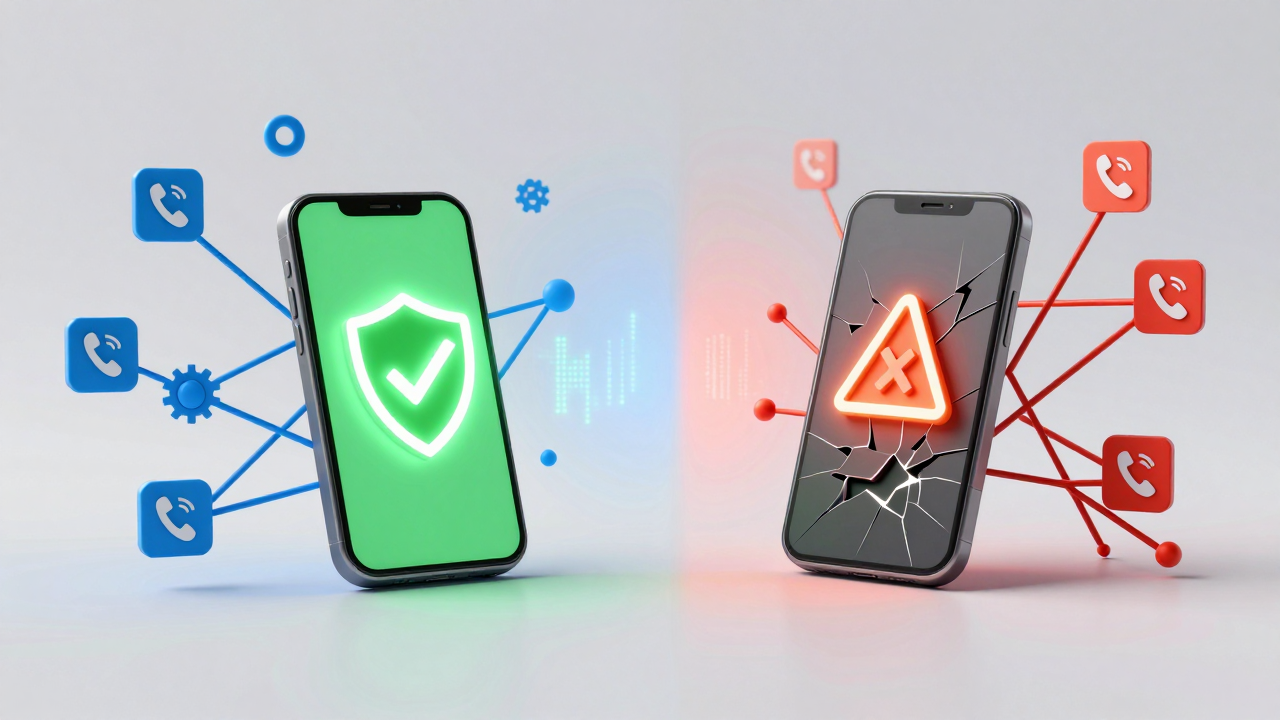
Some providers quote rock-bottom prices but use recycled or shared numbers. They're cheap, sure, but you'll run into the dreaded "this number is already registered" situation constantly. That kind of experience is terrible for users and drives churn through the roof.
Here's what retention data tells us: In 2026, platforms with solid number quality and stable delivery rates see 50–70% month-over-month user retention. But if the experience is poor, retention can fall below 20%. That difference determines whether your project makes money or burns it.
Compliance Red Lines: The Regulatory Landscape You Can't Ignore in 2026
Global regulation of SMS verification services tightened considerably in 2026. The EU's GDPR, California's CCPA, and domestic rules on cross-border data flows all impact the compliance costs of SMS verification platform setup. Many small teams don't see this coming until they're hit with fines—and by then, it's too late.
Compliance isn't a slogan—it's operational detail. Where user data is stored, how long number usage records are retained, how often privacy policies are updated—all of this requires professional legal support. If you don't have that budget, partnering with a compliant service provider is the safer bet.
A real case: In Q2 2026, a cross-border team's self-built SMS verification platform lost its overseas partner contract because they failed to maintain required activity logs. All their upfront investment went down the drain. That lesson should serve as a warning to anyone thinking about building from scratch.
Practical Advice: Test Small First, Then Commit Long-Term
Whether you build or partner, my advice is the same: start with a small-scale test. Run your real business scenario for two weeks, evaluate the data, the user experience, and the support quality, then decide on long-term commitment. Don't sign annual contracts upfront, and don't bulk-purchase numbers in one go.
There's no one-and-done solution for SMS verification platform setup. The 2026 ecosystem is evolving too quickly—staying flexible and iterating continuously is the only path forward. I hope this guide helps you avoid the mistakes I've made and keeps your cross-border business on solid ground.
One last thought: in this game, slow is smooth, and smooth is fast. Build a solid foundation, and the growth will follow naturally.
Frequently Asked Questions
How much does it cost to set up an SMS verification platform?
Costs vary widely depending on your approach. Self-building requires upfront technical investment plus ongoing expenses for number procurement and channel maintenance. Partnering with a service provider typically involves monthly fees based on usage volume. In 2026, legitimate numbers cost between $0.07–$0.28 each, and channel fees depend on delivery volume and regions covered.
What's the difference between building your own SMS platform vs. using a service provider?
Building your own gives you full control over number sourcing and risk control strategies, but requires continuous investment in infrastructure, compliance, and maintenance. Using a provider like Getfollow offers faster deployment, shared number pools, and proven risk control systems—but you trade off some customization and pay ongoing fees.
Why do my SMS verification codes keep getting blocked?
Blocked codes usually trace back to poor number quality or outdated risk control strategies. Carriers and platforms in 2026 aggressively flag numbers from recycled or IoT-based pools. If you're using low-quality numbers or skipping proper number warming, your codes will likely be intercepted or marked as spam.
Is SMS verification platform setup legal in 2026?
Yes, but compliance requirements have tightened significantly. You need to comply with regulations like GDPR and CCPA, maintain proper activity logs, and follow data storage rules. Operating without proper compliance measures can lead to fines, contract terminations, or forced shutdowns.
How do I choose a reliable SMS verification service provider?
Ask for a small-scale trial before committing. Run your real business scenario for at least a week and evaluate delivery rates, number quality, risk control effectiveness, and support response times. Reliable providers welcome testing—those making grand promises often can't back them up.
Key Takeaways
- Number quality and risk control matter more than technology in 2026
- Budget for ongoing costs—number refresh rates of 10–15% monthly are industry standard
- Test small before committing to any long-term partnership
- Compliance isn't optional—GDPR, CCPA, and data flow rules apply to everyone
- Platforms like Getfollow offer a balanced approach for businesses that don't want to build from scratch
Disclaimer: This article reflects industry observations and practical experience. Always conduct your own due diligence before making business decisions.