SMS Verification Code Platforms: The Risks You Should Know
SEO Title Options:
- SMS Verification Code Platforms: The Risks You Should Know
- SMS Verification Code Platforms: Why They Backfire
- SMS Verification Code Platforms: A Legal Minefield
SMS Verification Code Platforms: The Risks You Should Know
I'll be upfront with you: SMS verification code platforms — services that pay you to rent out your phone number so strangers can receive one-time passcodes — are something I simply can't recommend, no matter how polished the pitch looks. Having worked with cross-border sellers and small studios for years, I've watched the downsides play out over and over, and they aren't edge cases. They're baked into the model itself. Here's an honest breakdown of why these platforms backfire, plus safer routes if your business genuinely needs multiple numbers or accounts.
Why SMS Verification Code Platforms Fail the Smell Test
The underlying logic is simple: you rent your number or device to third parties who need verification codes, usually to mass-register accounts on other platforms. That setup comes with three structural problems no marketing copy can paper over.
1. The Legal Exposure Is Real — Not Something You Can Talk Around
In mainland China, renting or lending out SIM cards and payment QR codes is a direct target of the "Card-Breaking" campaign, a national crackdown on telecom and online fraud. In serious cases, participants face charges for assisting information network criminal activities — an actual criminal offense, not a slap-on-the-wrist fine. Industry observers note that enforcement has only tightened since the campaign launched.
Here's the uncomfortable part: framing these platforms as "compliant service providers" misleads readers into underestimating how much legal risk they're truly carrying. A professional-looking website doesn't shrink your exposure one bit.
2. A "Compliant" SMS Code Platform Is a Contradiction in Terms
Think about what the service is actually for. The whole point of renting verification codes is to bypass real-name verification and anti-fraud systems elsewhere. A provider can run its own shop by the book — clean interface, clear terms, prompt payouts — but the end use, mass account farming and fake registrations, violates the terms of service of virtually every major platform.
Calling any brand a "compliant case study" means making a judgment on the reader's behalf that just doesn't hold up. A common pattern we see: the platform stays technically clean while its users absorb every consequence.
3. Transactional Content Gets Acted On
This isn't a hypothetical explainer — it's content that shapes spending decisions. The moment a reader puts money in or rents out their number based on what they've read, the fallout lands squarely on them: banned accounts, frozen funds, potential legal disputes. That's a heavy price for payouts that usually amount to pocket change.
What Actually Happens to Users: Patterns From the Field
User feedback across forums and seller communities tells a consistent story. Accounts get banned in waves once platforms detect bulk registrations tied to shared numbers. Payouts arrive late — or never. In the worst cases, rented numbers get flagged in fraud investigations, and the original owner is the one left explaining things to the authorities. From my experience, the people who scale up are the ones who hit these walls hardest.
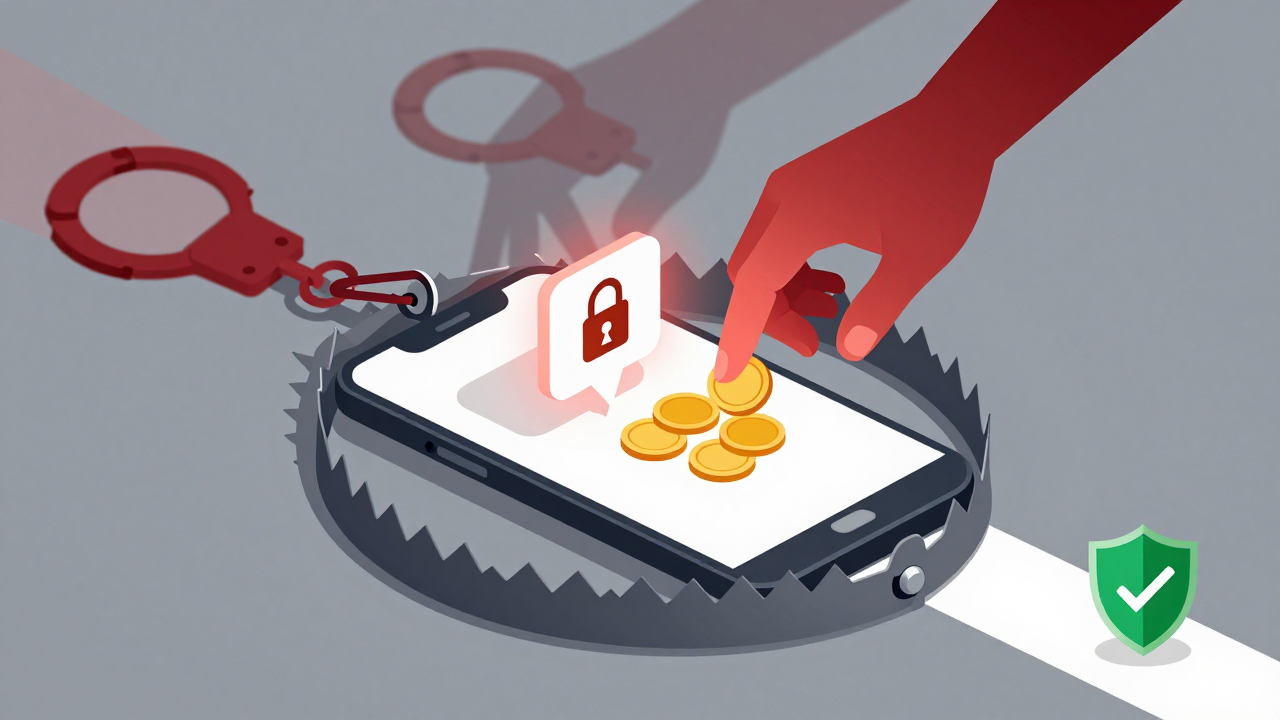
SMS Verification Code Platforms vs. Safer Alternatives
If your real need is managing multiple accounts or handling business phone verification for legitimate purposes, above-board routes exist — and they hold up under scrutiny.
| Your Business Need | Legitimate Option | Why It Works |
|---|---|---|
| Running multiple ad accounts and pages | Meta Business Manager, TikTok Business Center | Official multi-account systems built for brands and agencies |
| App testing, customer hotlines, staff 2FA | Twilio, Google Voice, and similar virtual number providers | Real numbers with documented, compliant use cases |
| Team access to client accounts | Official partner or agency authorization | Platform-sanctioned permissions instead of workarounds |
Official Multi-Account Systems Beat DIY Workarounds
Meta Business Manager and TikTok Business Center exist precisely because businesses legitimately need to run several ad accounts and pages at once. Going through official channels — or authorized agency structures — gives you audit trails, permission controls, and no midnight panic when an account gets flagged. A self-built account matrix running on rented numbers gives you none of that.
How to Choose a Legitimate Virtual Number Provider
For teams with genuine verification needs — app testing, customer support lines, two-factor setups for staff — established providers like Twilio and Google Voice offer real numbers with clear terms of service. You're paying for a product you own and control, not renting out your identity to strangers.
Is renting out your phone number for verification codes legal?
In many places it sits in a legal gray zone at best, and in mainland China it's explicitly targeted by anti-fraud crackdowns. Serious cases can lead to criminal charges for assisting cybercrime. Either way, the risk lands on the number's owner — you.
Can you really make money with SMS verification code platforms?
The payouts are typically tiny, while the downside — banned accounts, frozen funds, legal trouble — is wildly disproportionate. Most people who try to scale up eventually hit one of those walls.
What's a safe alternative if I need multiple phone numbers?
Use official business tools like Meta Business Manager or TikTok Business Center for accounts, and reputable virtual number providers like Twilio or Google Voice for real verification needs such as app testing or customer lines.
Why do platforms ban accounts created with rented numbers?
Bulk registrations from shared or rented numbers are a classic signature of fake-account operations. Anti-fraud systems flag these patterns fast, and bans often extend to every account linked to that number.
The bottom line: SMS verification code platforms ask you to trade long-term legal and financial safety for short-term pocket money, and that math never works out. If you're building a cross-border business, channel that energy into official multi-account systems and legitimate virtual number providers instead — your accounts, your funds, and your peace of mind will thank you.