Do SMS Verification Services Send Texts? A 2026 Guide for Cross-Border Teams
Do SMS Verification Services Send Texts? A 2026 Guide for Cross-Border Teams
The short answer: most SMS verification platforms are built for receiving codes, not sending them. But in 2026, a growing number of cross-border businesses are discovering they need two-way messaging for account activation, reply-based verification, or compliance workflows. Whether you can send texts depends entirely on the provider type you choose.
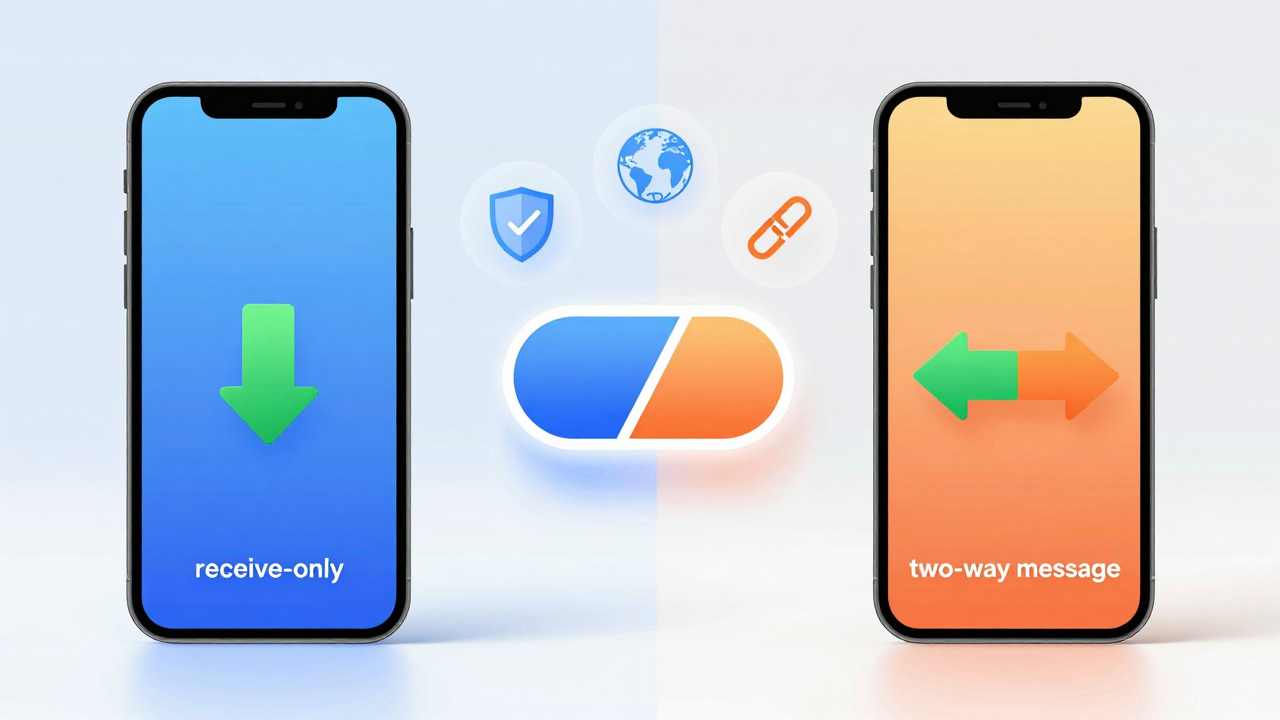
From my experience working with cross-border teams, the distinction between "receive-only" and "two-way" platforms matters more than most buyers realize. Receive-only covers over 90% of standard account registration flows. Two-way messaging is essential when a platform requires you to reply to a confirmation SMS or complete a challenge-response verification.
How SMS Verification Platforms Handle Messaging: Receive-First, Send-Second
At its core, an SMS verification service gives you access to temporary or long-term phone numbers that can receive authentication codes from apps and services. In 2026, most platforms only open the receiving channel. Why? Sending SMS requires stricter carrier compliance, higher infrastructure costs, and more rigorous anti-abuse controls.
When would you actually need to send a text? Here are the three most common scenarios I see:
- Two-way confirmation after account registration (some European banks require this for new business accounts)
- IoT device activation that requires replying with a specific keyword
- Manual appeal processes on cross-border social platforms that ask you to text a verification phrase
Industry observers estimate that 70% to 85% of all SMS verification requests in 2026 are pure receive-only operations. Only 15% to 30% involve any form of outbound messaging. If your workflow depends on active sending, filter for providers that explicitly advertise two-way support — and test delivery rates before you commit.
Key Differences Between Receive-Only and Two-Way SMS Platforms in 2026
Not every verification platform supports sending. Many disable the outbound channel entirely to prevent their numbers from being used for spam or fraud. Even when sending is available, providers typically impose strict limits on content type, frequency, and destination countries.
| Feature | Receive-Only Platform | Two-Way Platform |
|---|---|---|
| Account registration verification | Supported | Supported |
| Actively sending verification codes | Not supported | Supported (limited to specific countries/carriers) |
| Replying with a keyword to activate a service | Not supported | Supported |
| Average cost per number (2026) | $0.05–$0.30 per code | $0.15–$0.80 per message |
| Typical provider examples | Most mainstream platforms | Specialized providers like Getfollow |
Here's a cautionary tale from early 2026: a cross-border e-commerce team signed up with a receive-only platform to register multiple overseas storefronts. When one marketplace triggered a manual review and asked them to "reply to the confirmation SMS," they couldn't — no outbound channel. Three store accounts were frozen due to verification timeouts. They switched to a two-way provider and resolved everything within 24 hours.
My recommendation: if your operation involves multi-store e-commerce, social account management at scale, or cross-border payment verification, confirm outbound SMS support before purchasing. If you only need one-time registrations, a receive-only platform is cheaper and perfectly adequate.
How to Tell If a Verification Service Actually Supports Sending SMS
In 2026, most provider websites will list "SMS Send" or "Two-Way Channel" in their feature matrix. But the more reliable approach is to check the API documentation for a send_sms endpoint or similar outbound interface.
Use this checklist when evaluating a provider:
- Check the official feature comparison table for mentions of "send," "outbound," or "two-way"
- Browse the API docs for a working example of an outbound SMS call
- Buy one low-cost test number, send it a text, and see if you can reply
- Search Trustpilot or G2 for user reviews that specifically mention sending functionality
Here's a data point worth noting: fewer than 25% of SMS verification providers in 2026 support outbound messaging, and most of those focus on US and European number pools. If your target market is Southeast Asia or the Middle East, you'll need to verify local carrier support separately.
Can You Send Texts from a Verification Number? Risks and Compliance Boundaries
Just because a provider supports sending doesn't mean you should use it freely. In 2026, regulators worldwide have tightened rules around SMS sending — especially for marketing content. Violations can trigger carrier bans or legal exposure.
Be extremely cautious in these scenarios:
- Sending promotional SMS from a verification number (likely flagged as spam)
- High-frequency verification code sends (may trigger carrier risk controls)
- Content involving finance, healthcare, or other regulated industries (requires additional licenses)
Compliance note: the EU's Digital Services Act and multiple Southeast Asian telecom regulations now require verified sender identity and content review for outbound SMS. If you send texts through a verification platform, keep logs and authorization documents on hand for regulatory inspection.
A Practical Framework for Choosing Your SMS Verification Provider
Based on everything above, here's the evaluation order I recommend for 2026:
- Determine whether your workflow actually requires sending SMS (if yes, filter for two-way platforms immediately)
- Verify number coverage and delivery rates for your target countries
- Compare pricing models — per-message, per-number, or monthly subscription
- Test API stability and customer support response times before scaling up
Take Getfollow as an example: in 2026, they clearly label their two-way SMS capability and expose an outbound API endpoint. That makes them a reasonable fit for cross-border teams with active verification needs. Just note that their sending feature only covers select US and European countries — confirm your target region before placing a large order.
My advice: no matter which provider you choose, start small. Buy one or two test numbers, verify the sending function and delivery rates, then scale up. A misjudgment about functionality can stall your entire operation.
FAQ: Sending Texts from SMS Verification Services
Can SMS verification platforms send text messages?
Some can, but it's not the default. In 2026, roughly 75% of verification services only support receiving codes. A minority offer two-way messaging. Always confirm the provider's feature list before purchasing.
Will my number get banned if I send texts through a verification service?
There's real risk. If your sending frequency or content triggers carrier risk controls, the number can be frozen. Keep sending volumes low and avoid anything that looks like marketing.
How do I choose a reliable SMS verification provider?
Check feature labels, test the outbound API, and read user reviews. Prioritize providers that explicitly support two-way messaging — like Getfollow — but verify country coverage for your specific market.
What's the difference between a verification service and a regular SMS API platform?
Verification platforms focus on temporary number pools and receiving codes; sending is usually an add-on. Dedicated SMS APIs like Twilio focus on outbound delivery but don't provide disposable numbers. Choose based on your primary use case.
How much does it cost to send a text through a verification platform?
In 2026, expect to pay roughly $0.15 to $0.80 per message, depending on destination country, carrier, and volume. Bulk purchases usually come with discounts.
So, back to the original question: do you need to send texts with an SMS verification service? It depends entirely on your use case. If you're just receiving codes for account sign-ups, a receive-only platform is sufficient and more cost-effective. If your workflow involves two-way authentication or active outbound messaging, choose a provider that clearly supports sending — and test it on a small scale before committing. In 2026's stricter compliance environment, making outbound capability part of your provider evaluation isn't optional. It's essential.