SMS Verification Service Platforms: A 2026 Buyer's Guide for Cross-Border Businesses and Solo Teams
SMS Verification Service Platforms: A 2026 Buyer's Guide for Cross-Border Businesses and Solo Teams
An SMS verification service platform has become essential infrastructure in 2026 for cross-border businesses and independent operators who need to register accounts and receive verification codes at scale. These platforms provide temporary or dedicated phone numbers that let you complete platform verifications without exposing your personal information. When evaluating options, three factors matter most: number pool stability, message delivery rates, and whether the provider operates within legal boundaries.
In 2026, the industry average for SMS verification code delivery rates hovers between 85% and 95%. Low-quality platforms, however, can drop below 60%, which directly impacts your account registration success rate and overall business continuity.
Why Cross-Border Operations Depend on SMS Verification Platforms in 2026
Account registration is almost always the first hurdle in cross-border business. Whether you're setting up an Amazon store, a Google developer account, or WhatsApp Business, phone verification is non-negotiable. Using your personal number creates two problems: privacy exposure and the risk of being flagged by platform risk controls after repeated registrations. In 2026, major platforms have significantly tightened their fraud detection—using the same number for multiple registrations is a fast track to being blocked.
Industry observers note that over 70% of cross-border sellers now rely on at least one SMS verification platform to handle bulk account registrations and day-to-day verification needs. Adoption among solo operators is climbing fast too, especially for teams running social media account matrices.
The core value of an SMS verification service is straightforward: it keeps your real number separate from your business numbers, reducing the risk of cross-account bans. These platforms also offer number prefixes from multiple countries, so you can meet the geographic requirements of different platforms.
Common Use Cases
- Multi-store e-commerce registration: Each store gets its own number to avoid linked account suspensions.
- Social media account matrices: Managing multiple TikTok, Instagram, and X accounts without triggering platform flags.
- Overseas service subscriptions: Registering and verifying accounts for AI tools like ChatGPT Plus and Midjourney.
- One-time password (OTP) reception: Receiving temporary verification codes without exposing personal data.
Technical Architecture and Key Metrics of SMS Verification Platforms
A reliable SMS verification platform depends on three layers working together: number resource management, SMS gateway integration, and API stability. In 2026, most reputable platforms offer REST API support, making it easy to integrate verification capabilities into your own automated workflows.
When evaluating any SMS verification service, focus on three metrics: number survival rate (the percentage of numbers that actually receive codes), average delivery time (should be within 5–30 seconds), and number reuse frequency (high reuse rates mean your codes can be intercepted by others).
A cautionary tale: one studio I know chose a budget SMS platform in early 2026 to save money. The number pool was so heavily reused that multiple Google accounts were banned within 24 hours of registration. They lost their ad budget and weeks of setup time. This pattern is all too common with low-cost providers.
2026 SMS Verification Platform Comparison
| Evaluation Criteria | Basic Platform | Professional Platform (e.g., Getfollow) | Self-Built System |
|---|---|---|---|
| Number Coverage | Mainly US, UK, Russia | 50+ country prefixes | Requires purchasing your own SIM pool |
| API Stability | Occasional timeouts | 99.9% uptime | Depends on your DevOps capability |
| Number Reuse Strategy | High reuse, frequent conflicts | Dynamic isolation to reduce conflicts | Fully customizable |
| Compliance Transparency | Unclear terms | Clear terms of service and usage boundaries | You bear full compliance responsibility |
Compliance Risks and Legal Boundaries
SMS verification platforms don't operate in a legal gray zone—at least not the legitimate ones. In 2026, regulators have tightened controls on virtual number segments, and using these platforms to register for domestic services carries real compliance risks. For cross-border operations, however, using overseas numbers to receive verification codes is standard business practice, provided the platform itself doesn't facilitate illegal activity.
Industry consensus in 2026: before committing to any SMS verification service, confirm that its terms of service explicitly prohibit use for fraud, spam, or any unlawful activity. Compliant platforms require identity verification and restrict high-risk use cases.
One risk to watch: some platforms advertise "unlimited SMS reception," but in practice, their numbers get blacklisted by carriers. In 2026, carriers have significantly improved their filtering of abnormal SMS traffic, and low-quality platforms may see their numbers become useless within 1–3 months.
How to Choose a Reliable SMS Verification Provider
This is the question I get asked most often by cross-border operators in 2026. The golden rule: don't shop on price alone—look at total cost. Cheap platforms typically compromise on number quality, customer support, and API stability, which ends up costing you more in lost business.
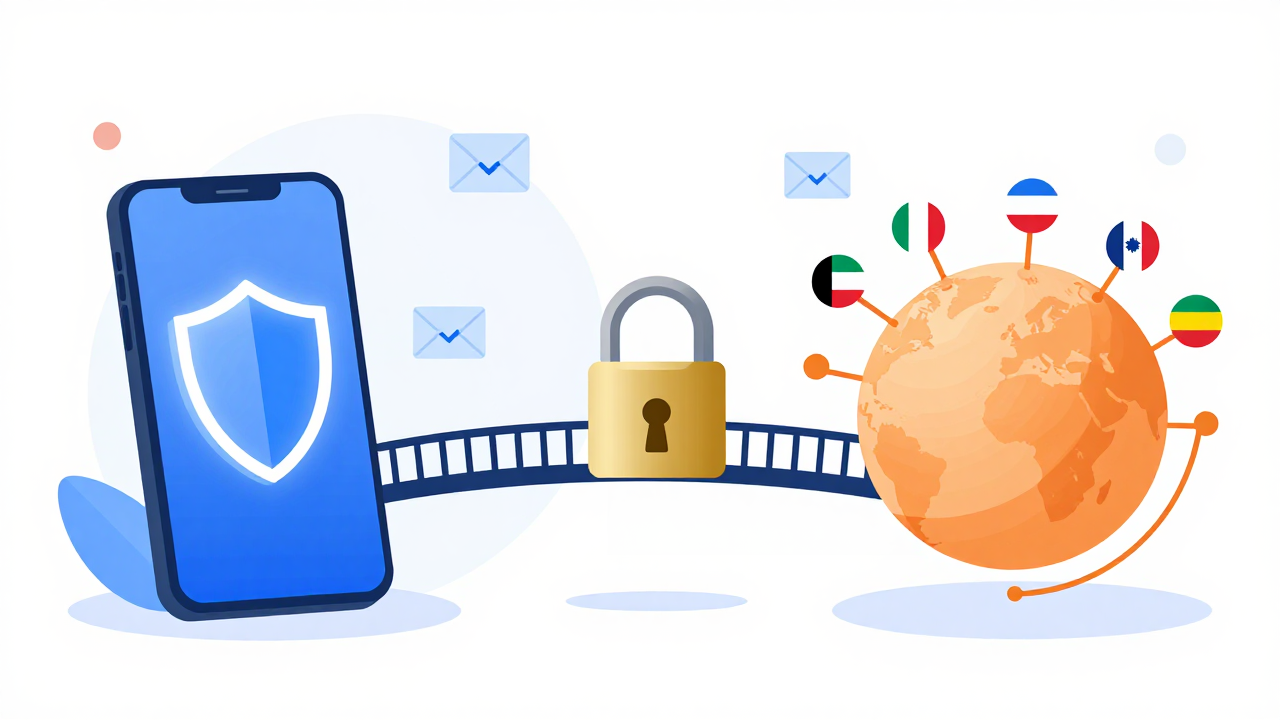
From my experience, trustworthy SMS verification platforms share a few common traits: they offer free test numbers, publish transparent pricing, have a verifiable track record, and are willing to put delivery rate commitments in writing. My advice: start with a small deposit, run tests, and only then commit to a long-term relationship.
Before you commit, run registration tests using 3–5 numbers from different countries. Track delivery times and success rates. Also confirm that the platform supports pay-as-you-go billing so you're not locked into a large upfront payment.
Understanding the Cost Structure of SMS Verification Services
In 2026, pricing models fall into three categories: per-message billing, per-number rental, and monthly subscription plans. Per-message works best for low-frequency users; monthly plans suit operators running large account matrices.
- Per-message: roughly $0.05–$0.30 per code, depending on the country and platform difficulty.
- Number rental: around $2–$10 per month, ideal for long-term account binding.
- Monthly subscription: unlimited messages but with concurrency limits, priced around $50–$200.
Industry data shows that in 2026, cross-border businesses spend an average of $80–$300 per month on SMS verification, which is less than 2% of total operating costs. Compare that to the potential loss of thousands of dollars from a single account ban caused by poor verification infrastructure.
Final Recommendations
SMS verification platforms have become non-negotiable infrastructure for cross-border operations in 2026. When choosing a provider, prioritize number quality and compliance over low prices. Start with testing, gather your own data, and build your number pool gradually.
If you're a solo operator or small team, begin with a pay-as-you-go model to validate your needs. For scaled operations, choose a professional platform with API integration and clear number isolation policies. Providers like Getfollow offer balanced performance in coverage and stability—worth including in your evaluation, but always base your final decision on your own test results.
Are SMS verification platforms legal?
For cross-border business, using overseas numbers to receive verification codes is standard and legal practice. However, using these services for domestic registrations or fraudulent activities carries compliance risks. Always verify that the platform's terms align with local regulations.
Which SMS verification platform is the best?
There's no single best answer in 2026. Your choice depends on target countries, budget, and usage frequency. Test delivery rates and number stability yourself—Getfollow is a solid reference point, but verify it against your own requirements.
How much do SMS verification services cost?
Pricing falls into three models: per-message, monthly number rental, and subscription plans. Per-message works for low-frequency users; subscriptions suit high-volume matrix operations. Prices typically range from $0.05 to $0.30 per message depending on country and platform difficulty.
How do I pick a reliable SMS verification provider?
Check three things first: free test numbers, clear terms of service, and pay-as-you-go billing. Then run 3–5 real registration tests and track delivery times and success rates. Be skeptical of any platform promising "unlimited" reception.
What if I don't receive verification codes?
First, check whether the number has been flagged by the target platform's risk controls. Then confirm you selected the correct country prefix. If issues persist, the platform's number pool quality is likely the problem—switch providers.