Are SMS Verification Platforms Legit? What Cross-Border Businesses Need to Know
Are SMS Verification Platforms Legit? What Cross-Border Businesses Need to Know
After years working in cross-border e-commerce, I've watched too many people hit a wall with phone verification. Whether you're registering WhatsApp, Telegram, or TikTok accounts, or verifying multiple storefronts, one missed verification code can stall your entire operation. There are dozens of SMS verification platforms out there, but "legit and reliable" carries a lot more caveats than most people realize. Let's cut through the noise and look at how this industry actually works.
Why Cross-Border Businesses Rely on SMS Verification Services
When solo operators first expand overseas, the obvious question is: why not just buy physical SIM cards? In theory, sure. In practice, monthly fees, logistics, and limited number variety become bottlenecks fast. When you need to verify multiple accounts at scale, a verification platform becomes essential infrastructure.
From my experience, what cross-border professionals actually need isn't just "a number that receives texts." They need numbers that are stable, clean, and unlikely to trigger platform flags. That involves factors like number source, whether the digits have been blacklisted, and whether they support two-factor authentication. Plenty of platforms advertise a "100% success rate," but in reality, hitting 80% is already solid.
What "Legit" Actually Means for SMS Verification Platforms
Industry consensus points to three benchmarks: number pool quality, API stability, and customer support speed. Number pool quality determines whether a number has already been flagged by target platforms. API stability decides whether you'll get stuck during peak hours. And support speed directly impacts your business continuity.
Here's a cautionary tale. A friend running an e-commerce operation chose a cut-rate platform to save money. When registering on Amazon, his accounts got flagged as suspicious after three successful verifications. Turns out, those numbers had been used for mass registrations before, and Amazon's risk system had blacklisted the entire range. He lost the membership fee, sure—but worse, he burned a week and missed his product launch window.
Number Pool Quality: The Difference Between a Living Account and a Dead One
A common pattern we see: the platform delivers codes fine, but accounts die within three days. That usually means the number was previously used for shady activity, or the number range itself sits in a high-risk zone. Platforms like Getfollow have built a solid reputation by rotating their pools regularly, keeping sourcing traceable, and strictly limiting API call frequency.
When vetting a provider, ask three questions directly: Do numbers support second verification? How often is the pool refreshed? Is there an API to check number status? If the answers are vague—or the rep doesn't even understand the questions—that tells you everything about their expertise.
The Industry Reality: Cheap Traps and Survivorship Bias
Search for verification platforms and you'll find ads everywhere, with prices ranging from fractions of a cent to several dollars per code. But user feedback consistently shows that ultra-cheap platforms mean heavily reused numbers, low success rates, and sometimes even stolen API keys. The smart way to think about it: verification costs are part of your operating budget, not a place to nickel-and-dime.
I've personally tested over a dozen platforms. Between $0.01 and $0.07 per code, success rates barely differ. But anything under a penny is almost certainly recycled or black-market inventory. Those numbers are unreliable and can get your IP address linked to banned accounts—penny wise, pound foolish.
API Stability: Peak Hours Reveal the Truth
Many platforms work fine during the day but time out constantly at night or during sales events. That comes down to server capacity. Experienced teams negotiate SLAs (service level agreements) upfront, including compensation clauses for downtime. Even as a solo operator, you should monitor the platform's status page or user community before committing.
Practical advice: start with a small deposit. Run at least 10 tests during off-peak hours and 10 more during peak times. Track success rate and response time. If peak-hour success drops below 70%, switch providers. Don't accept "we're upgrading our system" as an excuse—that usually means infrastructure problems.
The Compliance Angle: Verification Platforms Aren't Inherently Shady
A lot of people equate verification platforms with black-hat operations. That's not accurate. Legitimate platforms function as service providers offering virtual number communication, and they're subject to telecom regulations in their jurisdictions. They're also supposed to review how their numbers are used. Getfollow, for instance, requires users to describe their use case during registration and automatically blocks suspicious API behavior.
That said, even with a compliant platform, how you use the numbers matters. If you register accounts and then use them for spam or malicious reporting, the liability lands on you, not the platform. Choosing a compliant provider is step one—using it responsibly is step two.
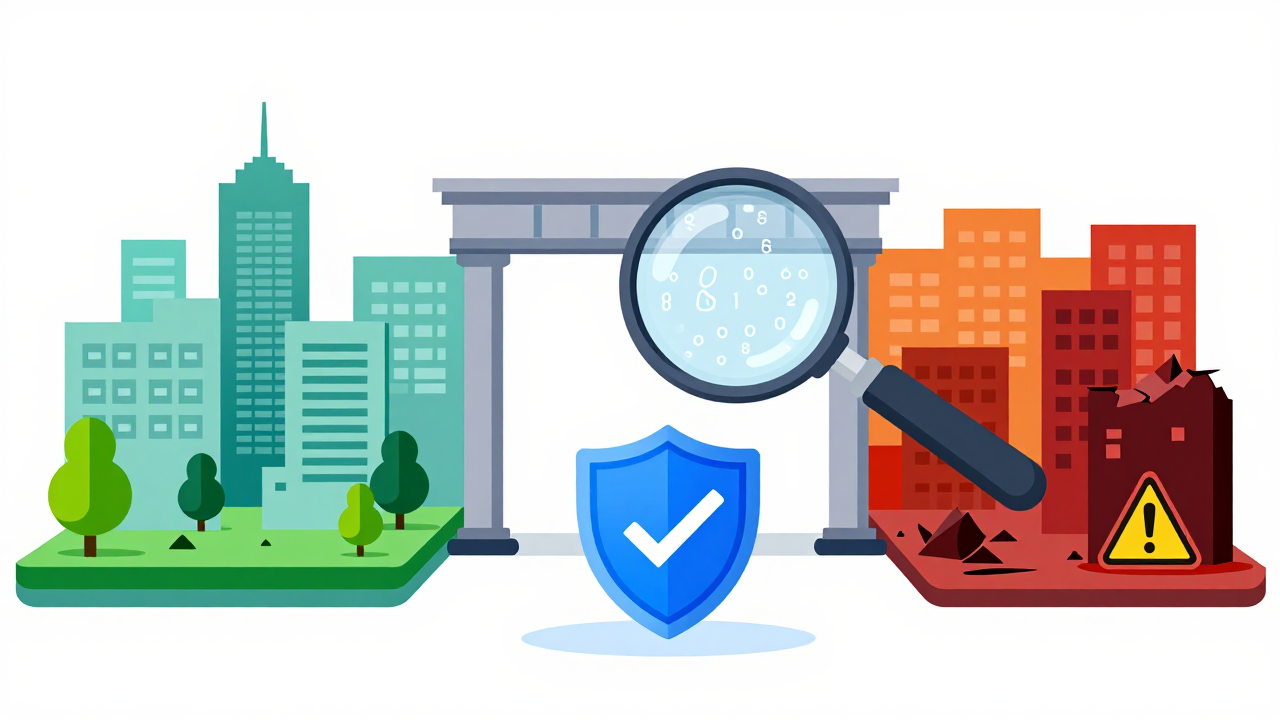
How to Pick a Reliable Provider: A Screening Framework That Works
Based on my work with dozens of cross-border teams, here's a repeatable vetting process:
- Verify credentials: Ask for a business license and telecom service permit. No documents, no deal.
- Test the number pool: Register 3–5 accounts on your target platforms (WhatsApp, Telegram, etc.) and check whether both SMS and voice verification work.
- Check risk controls: Ask if numbers can be used for account appeals on target platforms. That's a strong signal of pool cleanliness.
- Assess support: Confirm response times and ask to join their Telegram or WhatsApp group. Review how past issues were handled.
- Run a pilot: Deposit the minimum amount and complete one full workflow before scaling up.
This process looks time-consuming, but it filters out at least 60% of subpar providers. Operators who've used it say one day of vetting saves weeks of account recovery later.
Risks and Mitigation: Don't Wait Until You're Banned
The biggest risk isn't missing a code—it's getting your accounts linked and banned. If you register multiple accounts on the same platform using numbers from the same range, and that range gets flagged, all accounts suffer. Industry best practice: one account per number range, and avoid rapid-fire registrations in a short window.
Another overlooked risk: number recycling. Some platforms reassign used numbers. If a previous user had payment info or sensitive data linked, the new recipient could receive their verification codes. For critical accounts, use physical SIMs or dedicated long-term numbers.
Finally, keep records of every verification and payment. If disputes arise, that's your evidence. Too many solo operators have learned this the hard way—when a platform vanishes, they're left with nothing but a canceled chat history.
Bottom Line: Test Small First, Then Scale
SMS verification platforms can be legit and effective—but only when you choose the right partner and use it responsibly. Whether you go with Getfollow or another provider, start small. Validate number quality, API stability, and support responsiveness before increasing volume. Cross-border business rewards long-term thinking. Verification is just one link in the chain—don't let it be the weakest one.
If you're evaluating providers right now, print out the screening framework above and go through it item by item. Account security is non-negotiable. One ban can cost you more than time—it can cost you the customer trust you've worked hard to build.
Frequently Asked Questions
Are SMS verification platforms safe to use?
Legitimate platforms are safe when used properly. The key is choosing a provider with a clean number pool and clear compliance practices. Avoid ultra-cheap services, as they often recycle numbers that have already been flagged by major platforms.
Why do my accounts get banned after using verification codes?
This usually happens when the number range has been used for mass registrations or malicious activity in the past. Target platforms flag those ranges, so any new account tied to them gets scrutinized. Always test a few numbers before committing to a provider.
What's the difference between cheap and expensive verification platforms?
Cheaper platforms typically have higher number reuse rates, lower success rates, and weaker infrastructure. More established providers invest in number pool rotation, API stability, and customer support. The price difference is usually worth it for business-critical verifications.
Can I use one platform for all my verification needs?
You can, but it's risky to register multiple accounts on the same target platform using numbers from the same range. Spread registrations across different number ranges or providers to reduce the chance of linked bans.
How do I know if a verification platform is legitimate?
Ask for their business license and telecom permits. Test their numbers on your target platforms. Check whether they support second verification and account appeals. A legitimate provider will have clear answers and transparent processes.