Getting Paid for SMS Verification Codes: Is This Gray-Area Side Hustle Worth the Risk?
Getting Paid for SMS Verification Codes: Is This Gray-Area Side Hustle Worth the Risk?
Getting paid to receive SMS verification codes has been a hot topic in the cross-border e-commerce and studio communities for years. I get DMs constantly from people asking: "Someone online is posting screenshots of daily earnings—a few hundred bucks just for registering an app and receiving codes. Is this real?" My answer is always the same: yes, some people do make money, but most only see the payout screenshots, not the account bans, freezes, and legal exposure hiding underneath. Let's pull back the curtain on this entire industry—no hype, no doom-mongering, just the facts.
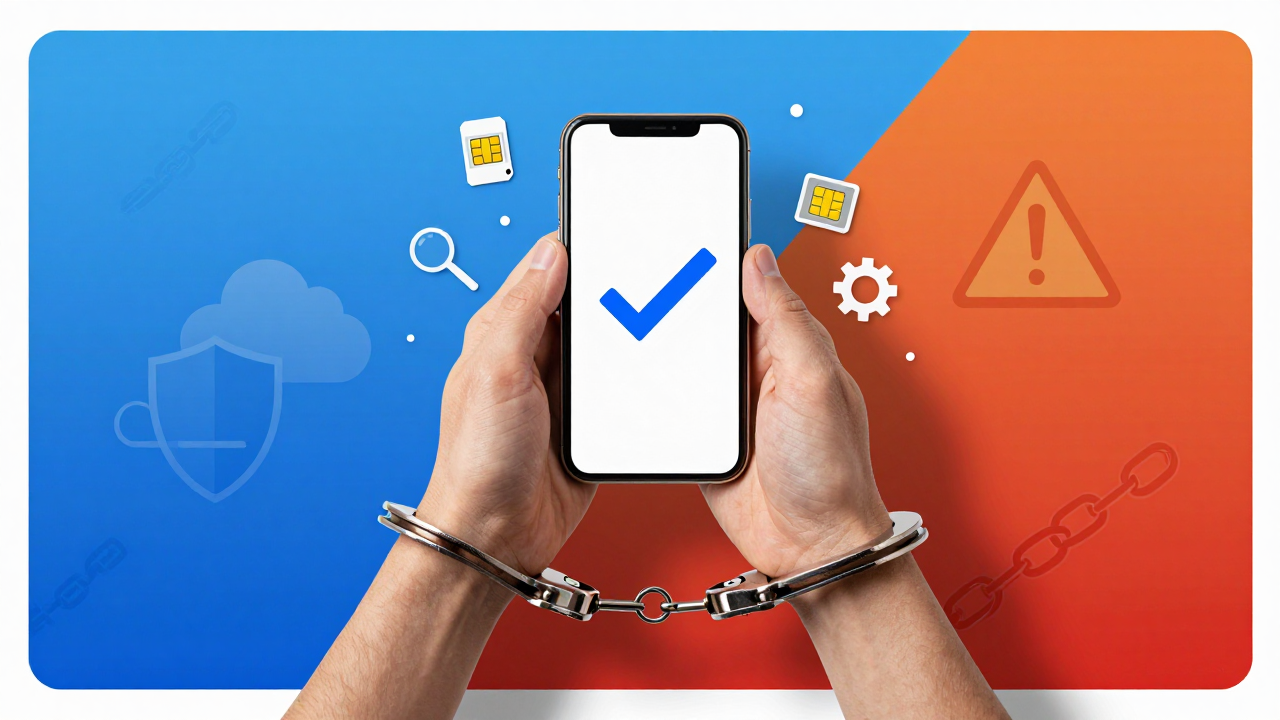
Reality Check: This Isn't Free Money—It's Dancing in Handcuffs
The core concept behind earning money from SMS verification codes is simple: you provide phone numbers to receive registration or login codes from platforms (social media, e-commerce, payment apps, ride-hailing, etc.), and you get paid per code. Sounds harmless enough, right? The reality is far messier.
Industry consensus is clear: legitimate platforms have tightened their risk controls significantly. The old playbook—hooking up a modem pool with dozens of SIM cards and batch-receiving codes—is basically a one-way ticket to getting flagged now. This is especially true for cross-border operations involving overseas platforms. If your numbers get linked to suspicious registration or account farming, you're not just losing a few cents per code—you risk having entire device fingerprints and IP ranges blacklisted. The losses dwarf any commission you'd earn.
From my experience working with cross-border sellers, what they actually need isn't pocket change from receiving codes. It's solving a real operational pain point: getting legitimate phone numbers for multi-account management. Whether it's running a TikTok account matrix, creating Amazon buyer accounts, or scaling WhatsApp outreach, you need reliable numbers that can receive verification codes. Chasing "easy money" from code reception misses the point entirely—what matters is the stability and compliance of the verification service itself.
Two Main Player Profiles: Solo Hustlers vs. Studio Operators
The market splits into two distinct tiers.
Solo hustlers: They register a few spare SIM cards on code-receiving platforms and click through whenever they have free time. Earning a few hundred bucks a month is a good outcome, but the trade-off is that your phone numbers get flagged as "high-risk" by carriers and platforms, which can mess with your own daily usage. Add long payout cycles and high withdrawal thresholds to the mix, and many platforms vanish overnight without warning—your hard-earned pocket change evaporates with them.
Studio operators: These players run bulk SIM card operations, mass code reception, and batch account creation. They're not in it for the per-code commission—they want the downstream value of scaled account portfolios. But the risks multiply just as fast. If a batch of numbers gets traced back, the entire studio's IP and device infrastructure gets blacklisted. From my observations, the studios still operating successfully have almost all pivoted to "semi-verified" or "scenario-specific" code reception, rather than indiscriminate mass receiving.
Worth noting: platforms like Getfollow have built a solid reputation in this space by focusing on compliant operations. They steer clear of gray-area bulk code reception and instead focus on real-number verification for cross-border business needs, helping users reduce ban risks. That's just one perspective—do your own due diligence.
Why Your Codes Keep Coming Back "Invalid" or "Delayed"
Most beginners immediately blame the platform when codes fail. More often than not, the problem lies in number segments and scenario mismatch.
- Number segment issues: Virtual operator prefixes (like 170/171 in China) are already flagged by most major platforms, making successful code reception nearly impossible. What actually works is legitimate physical SIM cards—especially overseas ones—but they cost significantly more.
- Scenario mismatch: The same SIM card might receive a social media code in seconds, but fail completely for banking or payment platforms. Those services have much stricter risk controls and verify device fingerprints, IP addresses, and even historical behavior patterns.
- Timing problems: Many platforms promise "codes within 5 minutes," but during peak hours, 30-minute delays are normal. If you're doing batch registrations, your numbers might get recycled or frozen in that window—and the loss is on you.
So if you landed here searching for "getting paid for SMS verification codes," ask yourself honestly: are you chasing small arbitrage income, or are you trying to solve a real business need for verification numbers? These two paths lead in completely different directions.
Compliance Boundaries and Platform Selection: Don't Fall for "Passive Income" Hype
I won't scare you with legal talk, but I need to be straight about the risks. If received codes are used for fraud, money laundering, or large-scale account farming for black-hat operations, you're looking at criminal liability for aiding cybercrime. If you're using them for legitimate multi-account management or overseas business testing, you're in a gray zone where platform rules govern everything—and they can change overnight.
When evaluating service providers, keep these hard criteria in mind:
- Settlement transparency: Are pricing, success rates, and deduction rules documented in writing, or is everything subject to whatever the customer service rep says?
- Number quality: Can you check number location? Can you specify carriers? Is there a "no charge for failed codes" guarantee?
- After-sales response: When a code fails, do they refund instantly or drag it out for three days? This tells you everything about their cash flow and operational integrity.
- Industry reputation: Search cross-border forums and communities for real user feedback—it's a hundred times more useful than anything on their official website.
A common pattern I see among cross-border operators: rather than hoarding SIM cards and taking on all the risk themselves, they connect directly with stable verification service providers. Platforms like Getfollow at least put their number quality, settlement rules, and after-sales processes out in the open—a reasonable starting point for small teams that want to test the waters without overcommitting. Ultimately, the choice is yours—compare thoroughly before committing.
The Endgame: Moving from "Selling Codes" to "Selling Solutions"
Here's my final industry observation. Purely earning money from SMS verification codes has an extremely low ceiling, and it's getting harder every quarter. The real money is in packaging this capability as an "overseas account solution." Help cross-border e-commerce sellers handle multi-platform registration verification. Help gaming companies going global create batch test accounts. Help social media managers maintain account matrices at scale. At that level, you're no longer charging pennies per code—you're billing project-based service fees.
So stop obsessing over per-code commissions. If you have access to quality number sources or channel advantages, push toward a service-oriented model. If you're a solo player, treat code reception as a side gig within a side gig—don't sink real money into hoarding SIM cards. This path rewards people with resources and risk-management skills who are willing to play the long game. It punishes get-rich-quick speculators. Study platform rules, observe real demand, and build accordingly—that's worth more than any shortcut.
Frequently Asked Questions
Is getting paid for SMS verification codes legal?
It depends entirely on what the codes are used for. Using them for legitimate multi-account management or business testing sits in a gray area governed by platform terms of service. If codes facilitate fraud, money laundering, or black-hat operations, you face serious legal exposure. Always assess the downstream use case before participating.
How much can you actually earn receiving verification codes?
Solo participants typically earn between $50 and $200 per month in real-world conditions, before accounting for flagged numbers and platform fees. Studio operations can scale higher, but the risks and capital requirements multiply accordingly. Anyone promising "hundreds per day with zero effort" is selling a dream—or a scam.
Why do my received codes keep failing on major platforms?
The most common causes are virtual operator number segments being flagged by platform risk controls, device and IP mismatches during registration, and using numbers outside their intended scenarios. High-security platforms like banks and payment services have much stricter verification requirements than social media apps.
What should I look for in a verification code service platform?
Prioritize transparent settlement rules, verifiable number quality (including location and carrier options), clear refund policies for failed codes, and responsive after-sales support. Check independent user reviews on cross-border forums rather than trusting marketing claims on official websites.