Text Verified SMS Code Platforms: The Hidden Infrastructure Behind Cross-Border Business
Text Verified SMS Code Platforms: The Hidden Infrastructure Behind Cross-Border Business
If you work in cross-border e-commerce, you probably have at least one SMS verification app on your phone. But here's the truth: the text verified SMS code industry runs much deeper than most people realize. I've watched too many operations lose six months of carefully built accounts just to save a few cents per code. Let's skip the fluff and talk about what actually goes on behind the scenes.
Why Does Your Account Keep Getting Flagged? The Problem Might Be Your SMS Source
Cross-border sellers constantly report the same frustration: they register TikTok, Amazon, or WhatsApp accounts with perfectly clean details, only to trigger secondary verification or get banned outright. From my experience, 90% of these cases aren't about what you're doing wrong—it's the phone number pool your SMS provider is using. These numbers are already flagged as high-risk virtual numbers by platform security systems.
Here's how text verified SMS platforms actually work: they bulk-purchase carrier or IoT SIM number ranges, then distribute them to users through API integration. But there's a critical difference between providers. Legitimate platforms use "real silent SIMs"—numbers that flow out through carrier channels and haven't been burned by internet platforms yet. Meanwhile, budget operations recycle old numbers or batch-registered ones that have been sitting on platform blacklists for months.
Let me give you a real example. A friend running an e-commerce operation chose a provider that was 30% cheaper. He registered 20 Amazon buyer accounts, and all 20 got linked and banned within a week. Turns out, the provider was using IoT SIM numbers that had been batch-activated in a specific region—Amazon's risk system already recognizes the IMEI patterns and registration behaviors of those numbers. When he did the math, the losses dwarfed whatever he saved on verification codes.
The Three Tiers of Text Verified SMS Providers: From Barebones to Fully Compliant
The market currently splits into three tiers. Tier one is "pure tool"—they just hand you a number to receive a code and don't care what you do with it. Number quality varies wildly. Tier two is "scenario-optimized"—they filter number ranges for specific platforms like Telegram, Google, or Meta, and account survival rates typically land between 50% and 70%. Tier three is "risk-coordinated"—they don't just give you numbers; they advise on your registration environment and IP cleanliness, and can even auto-forward secondary verification codes.
Industry observers agree that tier-one platforms are dying out. Platform security has gotten too aggressive, and survival rates on unvetted numbers have dropped below 30%. Tier-three providers are rare and mostly serve enterprise clients. Most individual operators and small cross-border teams end up using tier-two services. One platform that consistently earns solid reviews in this space is Getfollow, which follows that compliance-first approach—filtering number ranges first, then matching them to your registration scenario, rather than blindly throwing numbers at you.
But here's a detail most people overlook: receiving the code is just step one—keeping the account alive is the real test. Many providers only guarantee that you'll receive a verification code, not that your account will survive past registration. So when you're evaluating a text verified SMS platform, ask these three questions before committing:
- Are numbers dynamically rotated or drawn from a fixed pool?
- Can you customize number prefixes for specific country codes?
- If your account gets banned within 7 days of registration, do they offer free replacements or refunds?
How to Spot the Traps Behind "Ultra-Low" Pricing
The most common trick among cheap SMS verification platforms is combining free email addresses with recycled virtual numbers to cut costs. But those numbers almost always trigger manual review when you register for Google or Facebook. Another frequent trap is shared numbers—the same number gets sold to multiple users simultaneously. The result? Someone else receives your verification code and your account gets kicked offline, or worse, the code gets intercepted entirely.
I tested a platform charging $0.05 per code and got a "this number is already in use" error when registering for LinkedIn. That's a clear sign of reselling second-hand numbers. A reliable provider will at least guarantee number exclusivity—meaning the same number won't be assigned to a second user within 24 hours. Confirm this with customer support before you pay for anything.
A Practical Framework for Testing Any SMS Verification Provider on a Small Budget
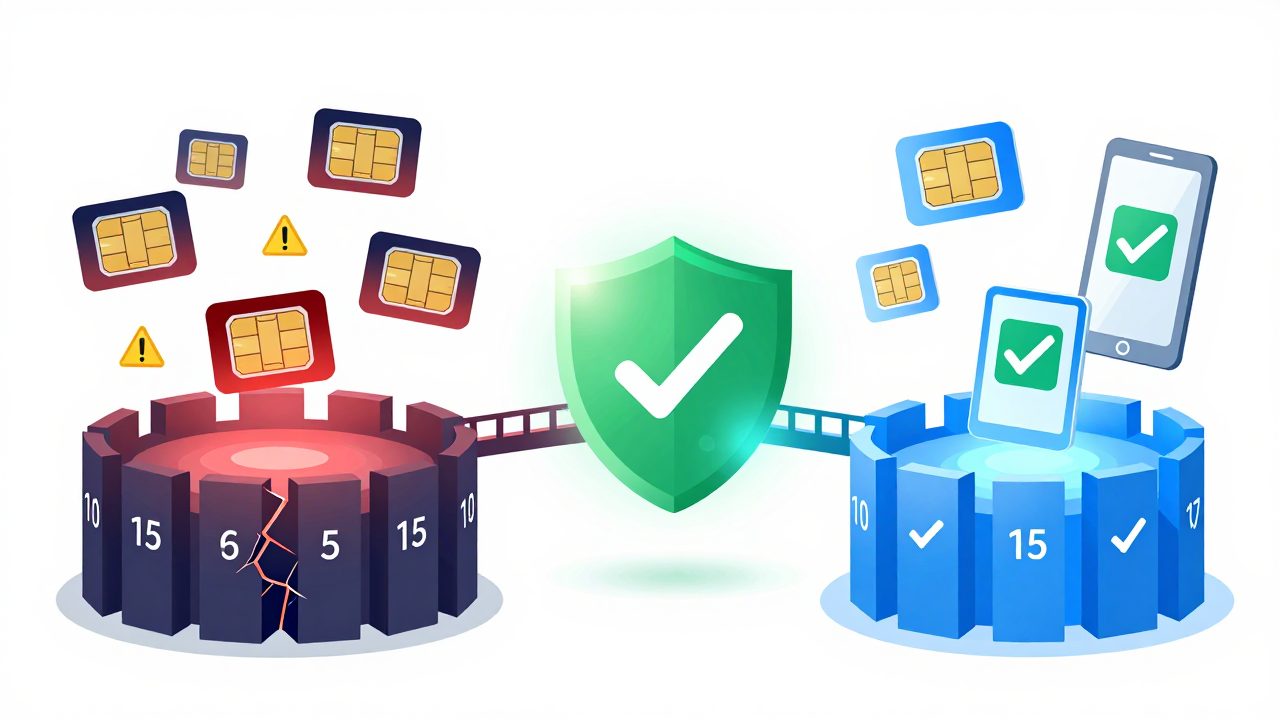
If you're picking a text verified SMS platform for your operation or a new project, my advice is simple: don't buy a big package upfront. Start with a $20–$50 test across 3–5 different platforms—say, five accounts each on WhatsApp, Telegram, and Instagram—then track survival rates for two weeks. If fewer than 40% survive, move on to the next provider.
Also, check whether the platform offers real-time number status queries. Some platforms keep marking numbers as "available" even after carriers have reclaimed them, which means you pay and never receive the code. Good providers give you an API to check number status in real time, and some even auto-refund failed transactions. This feature alone can save you hours of troubleshooting during batch registrations.
Don't underestimate customer support response times either. Cross-border work runs on different time zones. If you need to register an overseas account at 3 AM and support isn't available—and the number pool happens to be empty—that deal might slip away. The more dependable platforms offer 24/7 support via Telegram or email, with response times under 15 minutes.
Here's the honest bottom line: text verified SMS platforms are neutral tools. Used correctly, they accelerate your overseas expansion. Used carelessly, they become a time bomb for your account portfolio. My recommendation is to test any provider on a small business unit first, get the workflow down, then scale up gradually. Account assets are ten times easier to destroy than they are to build.
Frequently Asked Questions About Text Verified SMS Platforms
What is the difference between a virtual number and a real SIM number for SMS verification?
Virtual numbers are typically VoIP-based or recycled from previous users, which platforms like Google and Meta can easily detect. Real SIM numbers come from actual carrier channels and haven't been flagged yet, which gives you a significantly higher account survival rate.
How much should I expect to pay for a reliable SMS verification service?
Pricing varies by region and platform, but trustworthy providers typically charge between $0.10 and $0.50 per code. If you see prices below $0.05, that's a red flag—those numbers are almost certainly recycled or shared.
Can I use the same SMS verification provider for all platforms like WhatsApp, Telegram, and Amazon?
Yes, but the best providers optimize number ranges for specific platforms. A number that works well for Telegram might get flagged immediately on Amazon. Look for providers that let you filter by target platform.
What should I do if my account gets banned after using a verification code?
First, document everything—registration time, number used, and any error messages. Then contact your SMS provider immediately. Reputable services offer replacement numbers or refunds if the ban happens within a short window after registration. If they don't, that's a sign you should switch providers.