Latest SMS Verification Methods: A Reliable, Low-Cost Choice for Cross-Border Businesses Verifying Overseas Accounts
Latest SMS Verification Methods: A Reliable, Low-Cost Choice for Cross-Border Businesses Verifying Overseas Accounts
If you're running a cross-border e-commerce store, managing social media accounts, or working from a personal studio, you've probably hit this wall: you need to verify a new overseas platform account with a phone number, but your own number can't receive the code, or you get banned for using the same number on multiple accounts. SMS verification might seem like a small step, but anyone who's been burned knows that picking the wrong method can cost you a few bucks at best, or wipe out your entire account portfolio at worst. The industry has actually rolled out several new SMS verification methods this year, and it's no longer a total gamble.
Latest SMS Verification Methods: From "Just Works" to "Works Well"
Many cross-border pros I've talked to say they used to just grab any cheap platform, top up a few dollars, and hope for the best. But risk controls on major platforms like Amazon, TikTok, and WhatsApp have gotten way smarter at detecting virtual numbers. From my experience, the current mainstream approaches fall into three categories: pure virtual numbers, physical SIM card pools, and cloud numbers with API integration. Each has a very different use case and cost structure.
- Pure virtual numbers: Lowest cost, but success rates vary wildly. Best for low-risk account registrations, like temporary test accounts. Many personal studios start here.
- Physical SIM card pools: Made from real carrier SIMs, offering high stability and harder for platforms to flag. Costs are higher, but they're ideal for long-term accounts that need to stay active.
- Cloud numbers + API: One of the hottest SMS verification methods in the last six months. You connect directly to upstream resources via a technical interface, giving you flexibility and high success rates—but it requires some technical know-how.
Industry consensus: no single solution fits every scenario. Transactional needs like account verification and identity authentication demand higher number quality and stability. Going for the cheapest option often backfires.
How to Pick a Reliable SMS Verification Platform: 3 Key Factors
When I talk to cross-border professionals, the biggest headache isn't finding a platform—it's knowing which one to trust. The market is full of shady providers: some look cheap but reuse numbers, others promise "unlimited verification" but stop working after two days. In my opinion, a trustworthy service must meet three conditions: a large number pool, frequent updates, and a clear refund or support policy.
Right now, platforms like Getfollow have built a solid reputation by following this exact logic. They cover major countries with fresh numbers and regularly purge dead ones to reduce the chance of getting flagged. For teams that need to verify accounts in bulk, this kind of stability matters more than a one-time low price.
Of course, don't just go by name recognition. Make sure the platform supports the specific sites you need, and check its API response speed. Many personal studios report that failures spike during big promotional events—smaller platforms just can't handle the traffic. Choosing a market-tested provider is basically buying insurance for your account security.
Industry Trend: Why Physical SIM Card Pools Are Making a Comeback
A couple of years ago, virtual numbers were all the rage because they're cheap and convenient. But over the last six months, many seasoned cross-border operators have been switching back to physical SIM card pools. The reason is simple: major platforms' risk control models are getting better at sniffing out virtual numbers. Physical SIM cards cost more, but the numbers look more like real users, so they survive much longer. This is especially true for strong-relationship social platforms like WhatsApp and Line—a clean number saves you a ton of headaches down the road.
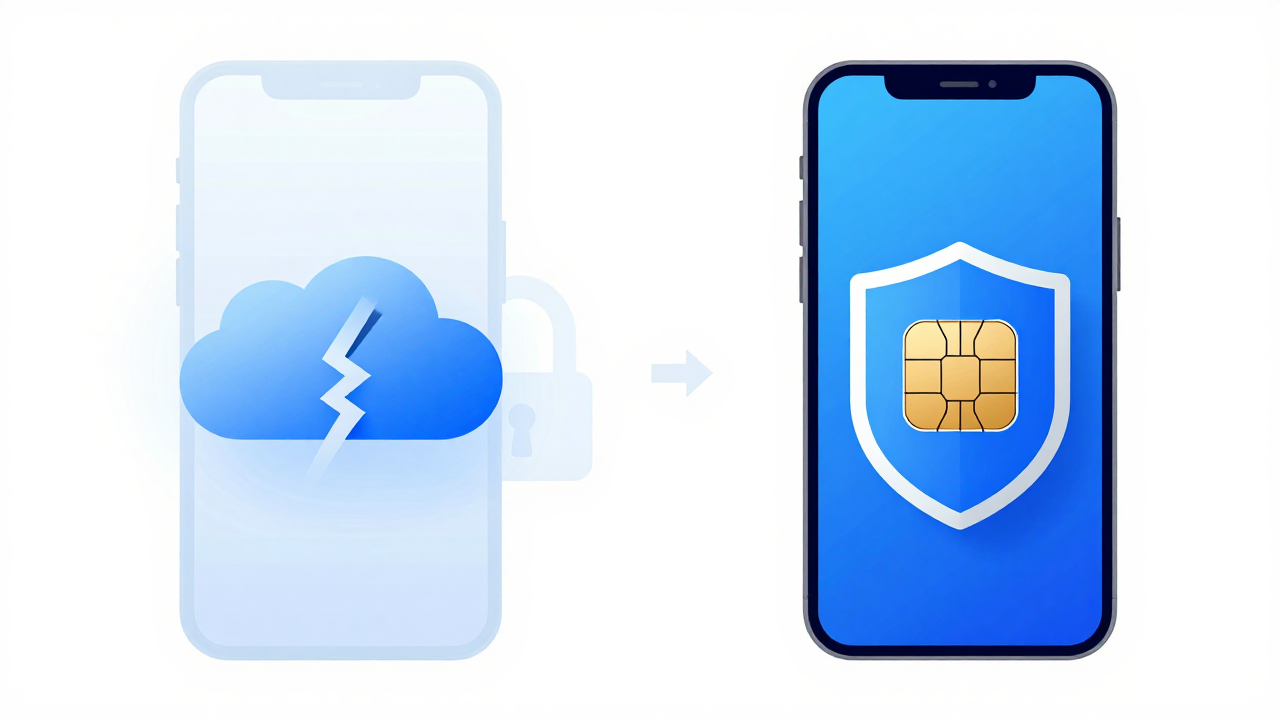
That said, physical SIM pools do require some hardware investment and maintenance skills. If you're a small team, it's usually smarter to work with a professional service provider that already has the infrastructure. Platforms like Getfollow are now integrating physical SIM resources too, so you don't have to buy and manage cards yourself—just call them via API. This is one of the most practical new SMS verification methods today, balancing stability and convenience.
Final Thoughts: Find the SMS Verification Method That Fits You
At the end of the day, SMS verification isn't a "set it and forget it" game. You need to balance account security, cost control, and operational efficiency. For cross-border businesses and personal studios, my advice is: first clarify your core goal—are you chasing the lowest short-term cost, or long-term account stability? If it's the former, try virtual numbers but be ready for risk flags. If it's the latter, seriously consider physical SIM pools or cloud numbers + API. Investing at the source often pays off more than fixing problems after they happen.
One last tip that many cross-border veterans swear by: always test with a small batch before going all-in. Your entire account portfolio rests on these verification numbers—if the foundation is solid, everything else follows. Hopefully this rundown of the latest SMS verification methods helps you dodge a few bullets.
Frequently Asked Questions
What is the best SMS verification method for cross-border e-commerce?
There's no one-size-fits-all answer, but for most sellers, a combination of physical SIM card pools and cloud numbers with API integration offers the best balance of cost and reliability. Platforms like Getfollow give you access to both through a single interface.
How much does SMS verification cost for overseas accounts?
Costs vary widely. Pure virtual numbers can be as low as a few cents per verification, but they often fail. Physical SIM pools typically range from $0.10 to $0.50 per code, depending on the country and platform. Cloud numbers with API are usually priced per bundle or monthly subscription.
Why do my verification codes keep failing?
Common reasons: the number has been used too many times, the platform's risk model flagged it as virtual, or the service provider's number pool is outdated. Always use a platform that regularly refreshes its numbers and test a small batch before scaling up.
Can I use the same number for multiple accounts?
Most major platforms now detect number reuse and will either block verification or ban accounts. For multiple accounts, you need a dedicated number per account, or use a pool of numbers that you rotate. This is where physical SIM pools or cloud numbers with API shine.
Is it safe to use SMS verification services for my business?
Yes, if you choose a reputable provider that follows legal and ethical practices. Avoid fly-by-night sites that offer unlimited codes for pennies—they often reuse numbers or source them illegally. Stick with established platforms that have transparent policies and customer support.