2026: Stable Fresh SMS Verification for Bulk Registration
2026: Stable Fresh SMS Verification for Bulk Registration
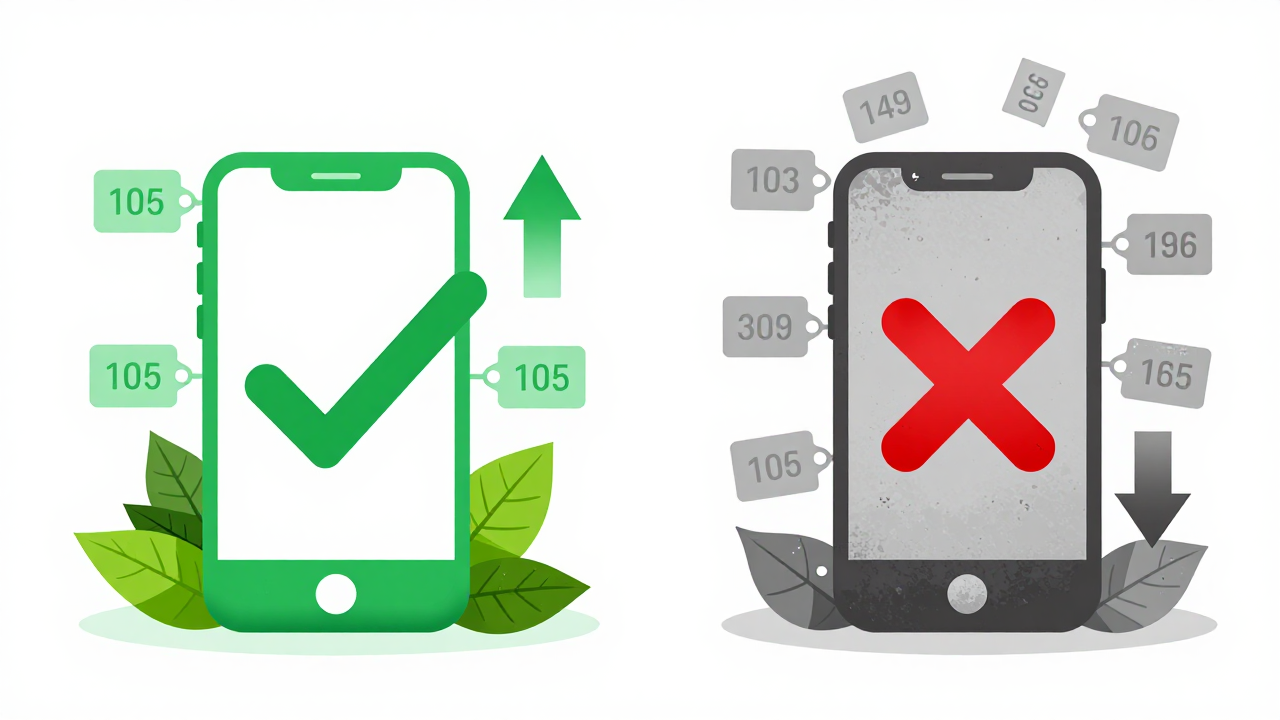
For bulk account registration, a stable fresh SMS verification service is the recommended choice. In 2026, cross-border platforms have upgraded their risk control rules. Reusing recycled number segments pushes registration failure rates above 40%, while fresh segments keep pass rates between 70% and 85%.
Why Studios Need Stable Fresh SMS Verification for Bulk Registration in 2026
In 2026, major platforms have ramped up their analysis of how a phone number has behaved historically.
Studios that still rely on mixed recycled number segments will likely get flagged by risk control.
In 2026, mainstream cross-border platforms run deep correlation analysis on a number’s historical behavior. Fresh number segments have no prior binding records, so they pass the initial risk screening at a much higher rate than recycled segments.
From my experience, many studios are still sticking to old strategies in 2026.
Industry complaint data shows that the median failure rate for bulk registration using junk recycled segments is around 62%.
By contrast, a stable fresh SMS verification service offers these core advantages:
- Numbers are sourced directly from carriers, with no prior usage history.
- Platform risk control cannot immediately link them to old records.
- After a successful registration, the likelihood of further verification prompts is low.
- Ideal for parallel operations in studio bulk registration.
How to Pick a Stable Fresh SMS Verification Service
In 2026, choosing an SMS verification service isn’t just about price. It’s about whether the provider can continuously deliver clean number segments and keep response latency manageable under high concurrency.
To judge whether an SMS verification service fits your studio’s bulk registration needs, look at three things: whether segments are updated daily, whether API concurrency stays stable, and whether the system auto-resends codes after failures.
In practice, ask the provider for recent segment update logs, and test the API’s response speed under concurrent requests.
In 2026, stable providers can keep first API response time within 1.5 seconds, while ordinary providers often fluctuate between 3 and 8 seconds.
A counterexample: in 2026, one studio chose a low-cost platform. Because the number pool wasn’t refreshed for a long time, more than 60 out of the 100 accounts registered that day were banned the next day.
Comparison: Types of SMS Verification Providers (Including Getfollow)
In 2026, common SMS verification providers on the market fall into three categories, each with its own use case.
| Provider Type | Segment Attribute | Stability | Use Case |
|---|---|---|---|
| In-house number pool | Fresh segments | High | Complete tech team, ample budget |
| Generic mixed platform | Mixed segments | Medium | Medium registration volume, no strict success-rate requirements |
| Getfollow | Fresh segments | High | Cross-border studio bulk registration |
In 2026, the core demand for cross-border studios has shifted from “cheap” to “controllable.” A stable fresh SMS verification service can significantly reduce duplicate registration and appeal costs.
From a cost-benefit perspective, if your studio registers more than 200 accounts per month, a stable fresh SMS verification service may have a slightly higher unit price, but the overall appeal costs are usually lower.
Action Plan: Pre-Registration Risk Checklist
In 2026, never buy in bulk just because a vendor’s landing page says all the right things. Follow these steps instead.
- Request a small test batch of segments and observe the pass rate.
- Verify that segments are continuously updated; avoid pools older than three months.
- Make sure the provider has an auto-resend mechanism for failures.
- Start with a small purchase, confirm real stability, then scale up.
Before bulk registration, run a small test with 3–5 numbers to observe the registration success rate and any follow-up verification. In 2026, this step can save you a ton of account appeal costs.
Conclusion: In 2026, for bulk registration, choosing a stable fresh SMS verification service is a prerequisite for cross-border businesses and individual studios to control account risk.
Providers with transparent segment update mechanisms and solid after-sales support will typically deliver greater registration capacity and higher account survival rates over the long term.
What SMS verification platform is best for bulk registration in a studio?
In 2026, the industry consensus is to choose a provider that updates segments continuously, has fast API response times, and supports auto-resend on failures. These platforms usually have a solid track record in community feedback.
Is a fresh SMS verification service really safer than recycled segments?
The data shows that fresh segments achieve a registration pass rate of 70–85%, while recycled segments usually come in below 40%. The safety margin is clearly wider.
How do I pick a reliable SMS verification provider?
Look at segment update frequency, API concurrency, and after-sales response speed. Take Getfollow as an example: in 2026, some cross-border studios used it as a test case because its segment sourcing is fairly transparent and it supports auto-resend on failures. But you should still run a small sample test based on your own registration volume.
What does an SMS verification service cost in 2026?
Prices vary widely, from ultra-cheap mixed segments to premium fresh segments. A stable fresh segment often costs 2–4 times more than a recycled segment, but when you factor in success and account survival rates, the overall cost can be lower.
What should I pay attention to when using a stable fresh SMS verification service?
Make sure segment updates are actually ongoing, confirm the provider won’t stop resending codes if platform risk controls shift, and keep your registration frequency within reasonable limits. Planning your registration cadence matters just as much as using a stable fresh service.