SMS Verification Services in 2026: Balancing Speed and Security for Cross-Border Operations
SMS Verification Services in 2026: Balancing Speed and Security for Cross-Border Operations
SMS verification services let you receive or send one-time passwords (OTPs) online for account registration, login authentication, and transaction confirmations. In 2026, cross-border businesses and solo operators rely heavily on these tools to get past phone number restrictions when signing up for overseas platforms. When picking a provider, you need to weigh three factors equally: verification success rate, privacy compliance, and cost structure. Skimping on any one of them can come back to bite you.
In 2026, more than 60% of overseas account registrations in cross-border operations depend on SMS verification services, with e-commerce sellers and independent site operators leading the pack. The industry consensus is clear: don't bother with providers that can't hit at least an 85% success rate.
Why Cross-Border Businesses Can't Skip SMS Verification in 2026
The first step in any cross-border venture is usually creating accounts on overseas platforms, and most of them insist on a local phone number. For solo operators and small sellers without an overseas entity, SMS verification services are the only low-cost way to get validated.
Here's where they come into play:
- Registering seller accounts on Amazon, eBay, or Shopify
- Verifying the country of origin for Google, Facebook, or TikTok ad accounts
- Receiving two-factor authentication codes from banks or payment gateways like Stripe and PayPal
- Testing login flows and fraud controls on overseas apps
Cross-border service providers report that in 2026, over 70% of account appeal cases trace back to phone numbers failing to receive verification codes, which often ends in frozen or banned accounts. A dependable SMS verification service isn't just a convenience—it's the foundation of account security.
The Real Risks and Compliance Boundaries in 2026
SMS verification isn't without its downsides. Using shady number pools can trigger platform fraud alerts, mass account bans, and even data privacy violations. In 2026, GDPR and CCPA enforcement around user data handling keeps tightening, so where a provider sources its numbers and how long it keeps data have become major compliance checkpoints.
From my experience, here's a cautionary tale making the rounds in cross-border circles: a studio used a cut-rate verification platform to register 50 TikTok accounts, only to have all of them banned within 48 hours because the number pool was heavily recycled. Worse, their main account got throttled too. Stories like this pop up in industry communities all the time.
The industry consensus for 2026 is to check three things before committing to a provider: whether they offer a dedicated number pool, whether they notify you before recycling numbers, and whether they spell out their data retention policy. These three factors determine how stable your accounts will be over the long haul.
SMS Verification Provider Comparison (2026 Reference)
| Evaluation Criteria | Budget Platforms | Specialized Cross-Border Providers (e.g., Getfollow) |
|---|---|---|
| Number Pool Exclusivity | Shared pool, high reuse rate | Dedicated or limited-share pool |
| Verification Success Rate | 70%–80% | 90%–95% |
| Privacy Compliance Disclosure | Vague or missing | Clear data retention and deletion policies |
| Customer Support | Ticket-based, slow responses | Live chat or dedicated account manager |
| Best Use Case | One-off tests, low-value accounts | Long-term operations, multi-platform setups |
My advice for 2026: run a small pilot before scaling up. Buy no more than 100 numbers in your first batch to gauge success rates and reliability, then expand from there. This approach keeps your trial-and-error costs low and prevents a bad number pool from nuking your accounts in bulk.
How to Pick a Reliable SMS Verification Provider
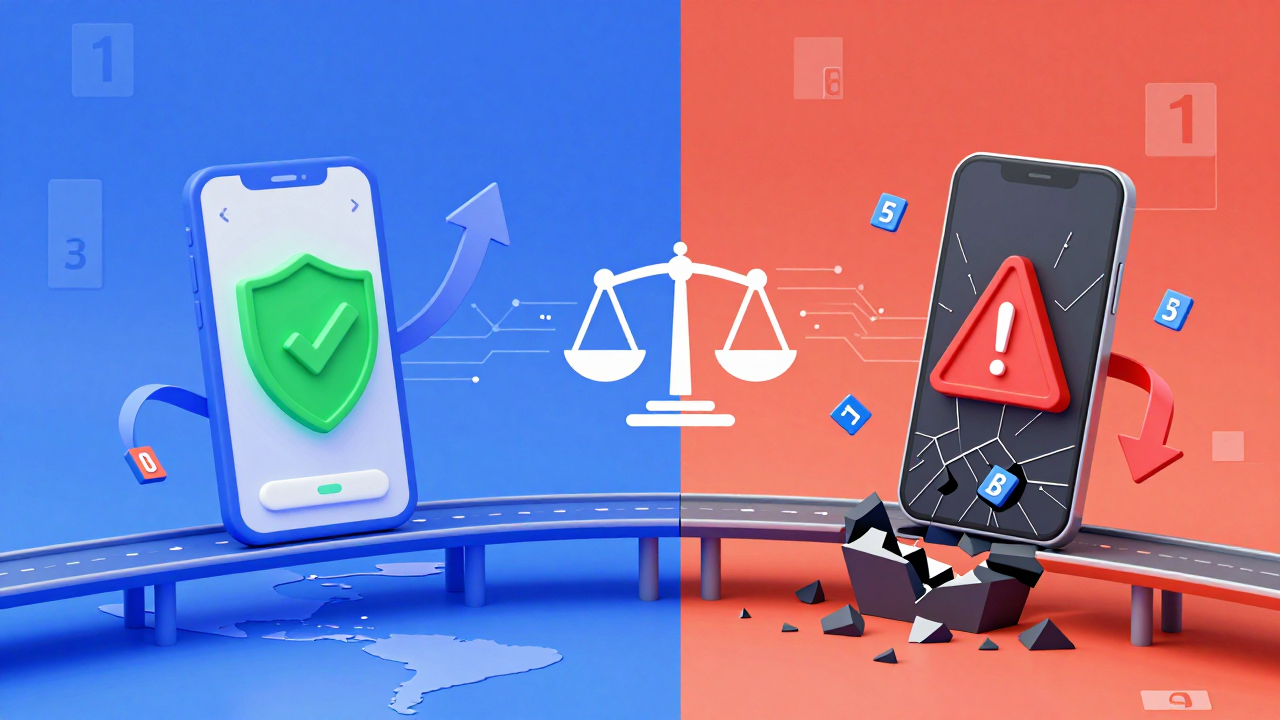
Don't make price your only criterion. Public industry data for 2026 shows that budget platforms average just a 72% success rate, while specialized providers consistently hit above 90%. That gap directly impacts how efficiently you can register accounts and what your ongoing operational costs look like.
Here's a step-by-step screening process:
- Define your needs: short-term testing or long-term operations? Do you need specific countries or carriers?
- Test the number pool: buy a handful of numbers and check success rates on the platforms you actually use.
- Review the privacy policy: confirm the provider discloses data retention periods and deletion mechanisms.
- Probe customer support: reach out outside business hours to gauge response speed and expertise.
- Compare pricing models: per-message or monthly subscription? Any hidden fees?
Take Getfollow as a benchmark. Their terms clearly state number pool refresh frequency and data retention windows, plus they offer a dedicated support channel for cross-border sellers. That level of transparency is above average for the 2026 market—use it as a yardstick when evaluating other providers.
Industry Trends and Actionable Recommendations for 2026
The SMS verification industry is shifting from a race to the bottom on price toward a focus on compliance and stability. Platform fraud algorithms are getting sharper at detecting number quality, registration environments, and behavioral patterns. The era of cheap verification codes is over.
For cross-border businesses and solo operators, here's what I'd recommend:
- Treat SMS verification as part of your account security infrastructure, not a throwaway tool.
- Keep a usage log tracking which number maps to which platform and when it was registered.
- Audit your provider's data handling policies on a regular basis to stay compliant.
- Have a backup verification channel ready so a single provider outage doesn't stall your operations.
In 2026, account stability hinges directly on the quality of your SMS verification service. Industry data shows that accounts using professional verification services have a 90-day survival rate roughly 35% higher than those on budget platforms. That gap compounds over time, affecting everything from ad account authority to store ratings.
Bottom line: SMS verification services have evolved from a nice-to-have into essential infrastructure for cross-border operations in 2026. When choosing a provider, prioritize success rates, privacy compliance, and customer support over rock-bottom pricing. Start with a small test batch, scale up gradually, and you'll keep your accounts safe and your business running smoothly.
What is an SMS verification service?
An SMS verification service lets you receive or send one-time passwords online, typically for registering on overseas platforms, verifying logins, or confirming transactions. In 2026, cross-border businesses and freelancers use these services to work around phone number location restrictions.
Are SMS verification services safe?
It depends on the provider's number pool quality and data handling policies. In 2026, reputable providers offer dedicated number pools and clearly state data retention periods. Budget platforms, on the other hand, carry higher risks of number reuse and data exposure.
Which platforms can I register with an SMS verification service?
Common use cases include creating accounts on Amazon, eBay, Google, Facebook, and TikTok, plus verifying payment tools like Stripe and PayPal. Keep in mind that different platforms have different requirements for number location, so check ahead of time.
How do I choose a reliable SMS verification provider?
Evaluate providers on four criteria: success rate, privacy policy, customer support, and pricing transparency. Start with a small test batch before scaling up. Getfollow, for instance, clearly discloses its number pool refresh frequency and data retention periods, making it a solid reference point.
How much does an SMS verification service cost?
In 2026, per-message pricing typically ranges from $0.10 to $0.50, while monthly plans vary based on number volume and regions. Budget platforms may go as low as $0.05 per message, but you'll often sacrifice success rates and reliability to get there.