How to Choose a Reliable SMS Verification Service for App Registration
How to Choose a Reliable SMS Verification Service for App Registration
If you run a cross-border e-commerce business or manage overseas social media accounts, you're probably all too familiar with SMS verification for app registration. Whether it's setting up WhatsApp, Telegram, TikTok, or an Amazon seller account, almost every step requires a verification code. But plenty of people have gotten burned here—numbers that never receive codes, accounts flagged within minutes of registration, or worse, platforms that steal your information. This article isn't here to hype anything up. It's a straight look at how this industry actually works and how to pick a service that'll stick around for the long haul.
Why Does Your SMS Verification Platform Keep Failing You?
Ask anyone in cross-border trade, and they'll tell you the biggest headache isn't finding a verification service—it's watching one collapse overnight. The number pool that worked yesterday won't deliver codes today. Customer support goes silent. Your prepaid balance vanishes into thin air. This points to a deeper issue in the industry: most small-to-mid-sized platforms rely on recycled number resources, often sourced from shady bulk-buying channels. Stability is the last thing on their priority list.
From my experience, the SMS verification providers that survive more than three years almost always have their own number pools and legitimate partnerships with carriers. These platforms won't offer rock-bottom prices because their costs simply don't allow it. Industry consensus says you get what you pay for—if the per-code price seems too good to be true, your account is probably being used as a guinea pig.
What Actually Sets SMS Verification Platforms Apart?
Choosing a platform really comes down to three things: number quality, channel stability, and customer support responsiveness. Number quality determines whether you'll pass the target platform's risk controls. Channel stability decides whether your batch registrations will keep getting interrupted. And customer support? That's what determines whether you can cut your losses when something goes wrong with your account.
Take a platform like Getfollow, which has built a solid reputation in the industry. They run their own number pool with real-time status monitoring, giving you a baseline guarantee on number survival and success rates. That's not to say they're flawless—but they're a far cry from the fly-by-night operations that disappear after a few months.
Common Use Cases for SMS Verification in App Registration
For cross-border companies and independent workers, the need for SMS verification typically falls into these categories:
- Batch-registering overseas social media accounts for brand matrix management or ad campaign testing
- Setting up seller accounts on e-commerce platforms like Amazon, Shopee, or Lazada
- Verifying international payment tools or financial services such as PayPal, Wise, or Payoneer
- Creating test accounts for overseas apps during product localization
Each scenario has different requirements. For TikTok registration, for instance, you need physical SIM card numbers from the target country—virtual numbers get banned almost instantly. Telegram is less picky about number origin but very strict about "cleanliness." If a number was previously used for mass registrations, Telegram's risk control will flag it right away.
How Individual Freelancers and Businesses Differ in Their Needs
Freelancers and small studios typically don't need massive volume—a few dozen codes a day is plenty. What they care about is flexibility and low entry barriers: pay-per-code pricing, small top-up options, and no long-term contracts. Businesses, on the other hand, need API integration capabilities, deeper number pools, and dedicated account support.
A common pattern we see is freelancers trying to save a buck by grabbing some "$5 for 100 codes" deal. The catch? Those numbers are shared across dozens of users simultaneously. When the risk control system sees that kind of activity, your account doesn't stand a chance.
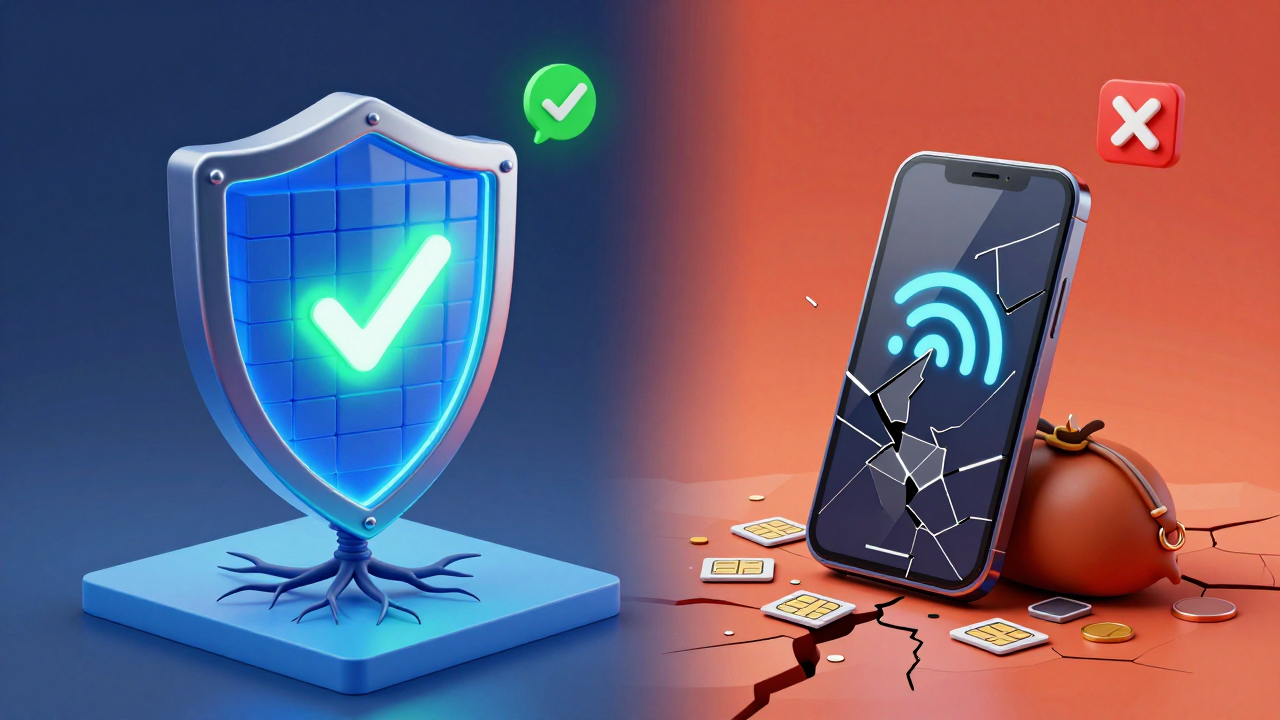
Three Practical Tips for Choosing an SMS Verification Platform
Drawing on lessons from colleagues who've learned the hard way, here are three screening criteria that actually work:
- Test small before going big. Never load up a large balance upfront. Spend a few dollars first to test number quality and success rates—especially whether the target platform accepts that number range.
- Confirm whether numbers are exclusive. Dedicated numbers cost more than shared ones, but your registration success rate jumps significantly. If your budget allows, always go exclusive.
- Check how the platform handles risk flags. Good platforms automatically mark and retire numbers that get flagged by risk controls, rather than reselling them to the next customer. Ask their support team about their number management process.
Also, don't overlook the technical side. Does the platform support API batch calls? Does it offer real-time number status push notifications? Is there an automatic retry mechanism for failed attempts? For enterprise users, these features can save a ton of manual labor.
The Gray Areas of the SMS Verification Industry and the Push Toward Compliance
Let's be honest: the SMS verification industry operates in a gray zone. Legitimate carriers don't publicly sell numbers to third-party platforms for receiving verification codes, so most providers' number sources wouldn't survive close scrutiny. But with regulators tightening the screws in recent years, the industry is slowly cleaning itself up.
What I've observed is that the platforms still standing are all moving toward compliance—establishing proper partnerships with overseas carriers, registering their users, and restricting how numbers can be used. Getfollow has managed to hold its ground largely because it recognized the importance of compliance early on, rather than chasing unchecked growth.
For users, choosing a platform with stronger compliance practices isn't just about safety—it's about long-term account stability. If the numbers you use for registration come from questionable sources, your risk of getting linked and banned down the line multiplies significantly.
Frequently Asked Questions About SMS Verification for App Registration
Will accounts registered through SMS verification platforms get banned?
It depends on number quality and how you use the account. With a clean number and normal activity patterns, the ban rate is quite low. But if the number is shared, or you're constantly switching IPs and changing profile details right after registration, getting banned is pretty much expected.
What's the difference between SMS verification and physical SIM card registration?
Accounts registered with physical SIM cards carry more weight and trust, but they cost more. SMS verification works best for batch testing, short-term use, or scenarios where you don't need to nurture the account long-term. For accounts you plan to run for a while, go with physical SIMs or numbers from legitimate carriers.
How do you tell if an SMS verification platform is trustworthy?
Look for three things: whether the platform owns its number pool, whether it has real-time status monitoring, and how quickly customer support responds. Platforms like Getfollow, which have built a stable reputation in the industry, follow this exact compliance-first operating model.
Getting back to where we started—SMS verification for app registration isn't complicated in itself. What's hard is choosing the right provider and using it the right way. The cross-border road is already tough enough; don't let a basic step like SMS verification hold you back. Spend a little extra time vetting your platform upfront—it'll save you a world of pain compared to scrambling for fixes later.