Why Your SMS Verification Platform Stops Receiving Texts in 2026: 5 Truths Cross-Border Sellers Must Know
Why Your SMS Verification Platform Stops Receiving Texts in 2026: 5 Truths Cross-Border Sellers Must Know
Honestly, over the past two months, at least seven or eight friends of mine in the cross-border space have been complaining about the same thing in our group chats: the SMS verification platform isn't receiving text messages. Some say the verification code for TikTok never arrives, others hit WhatsApp's risk control and can't get an unlock code, and worse—one guy topped up his membership and the platform vanished the very next day.
So is this just a random glitch from a few bad platforms, or has the entire SMS verification industry changed at its core in 2026? I spent three weeks talking to industry insiders and testing the services that are still operating. Here's what I found.
Before You Switch Platforms: The SMS Verification Landscape Has Completely Changed
Most people's first reaction is, "This platform sucks, I'll just switch to another one." But if that's your strategy, you'll likely jump from one frying pan into another.
Industry consensus is clear: in 2026, the reason SMS verification platforms fail to receive texts is no longer a single platform's technical issue. It's the result of SMS channel resources being squeezed from both ends—by carriers and overseas platforms alike. Simply put, there are fewer usable number segments, and each one has a much shorter lifespan.
Internal data I've seen shows that available international SMS channel resources in 2026 have shrunk by nearly 40% compared to two years ago. This isn't something any single platform can fix—it's a collective contraction forced by compliance pressure on upstream channel providers.
So when you can't receive a text, first ask yourself: is this a platform-specific problem, or is the whole industry going through growing pains? The test is simple—check a few industry communities. If people on different platforms are all experiencing similar issues, the environment itself has changed.
Three Typical Scenarios When You Can't Receive SMS Codes—Which One Are You?
After categorizing the cases I've collected recently, I found that "not receiving texts" actually breaks down into three completely different situations, each requiring a different fix.
Scenario 1: No Verification Code When Registering a New Account
This is the most common case. Many cross-border sellers report that when registering WhatsApp, Telegram, or Instagram in 2026, the number shown on their SMS platform appears normal, but the verification code either never arrives or takes over five minutes—long past the expiry window.
Here's a technical detail most people miss: overseas platforms have universally upgraded their risk control systems in 2026, significantly improving their ability to detect "virtual number segments." Many numbers offered by SMS platforms are already flagged as "high-risk virtual numbers" on the platform side. The SMS is sent, but it's intercepted before it ever reaches the carrier gateway.
In other words, it's not that the SMS wasn't sent—it's that the platform never intended for you to receive it. In this case, switching SMS platforms won't help at all, because the problem lies in the quality of the number itself.
Scenario 2: No Unlock Code After Your Account Gets Banned
This one is even more frustrating. Your account has been running for months, then suddenly risk control demands verification—and your SMS platform can't receive the code, leaving you with no way to appeal.
A friend who runs a standalone site shared his real experience: he spent over $40 on a "dedicated number" for WhatsApp account warming. On day 12, the account got restricted and needed SMS verification. His SMS platform showed the number as active, but the code never arrived. After asking around, he found out that the number had been associated with multiple accounts before him and was already flagged as "contaminated"—any verification SMS would be silently discarded.
The lesson here: when your SMS verification platform stops receiving texts, it's often not the platform slacking off—it's that the number you bought was already "dirty."
Scenario 3: Some Numbers Fail in Batch Registration
Teams running matrix accounts often see this: out of 20 numbers purchased in one batch, 15 work fine and 5 never respond.
This is most likely not a platform issue. Those 5 numbers were flagged by the target platform's risk control. In 2026, algorithms can detect patterns like "high-frequency registrations from the same IP" or "multiple accounts on the same device" and preemptively restrict SMS functionality on certain numbers. What you need here is a platform that offers real-time number status checks, not blind resends.
Why "SMS Platform Not Receiving Texts" Became the Norm in 2026: Three Root Causes
Beyond individual platform management issues, the entire industry is facing structural challenges in 2026. I've identified three core variables.
First, overseas platforms upgraded their verification code strategies. Google, Meta, and other tech giants have fully rolled out dual verification combining SMS with device fingerprinting. Even if you receive the code and enter it correctly, verification will fail if your device fingerprint doesn't match. Many SMS platforms still operate on the old model of "just providing a number," which naturally makes it seem like they're "not receiving texts."
Second, upstream channel providers have started cherry-picking. Previously, channel providers accepted everything as long as there was volume. But in 2026, because complaint rates and rejection rates directly affect their settlement prices, they proactively filter out "high-risk business." Orders from SMS platforms get labeled as "low-quality traffic" and pushed to the back of the queue—so delayed or dropped SMS messages have become the norm.
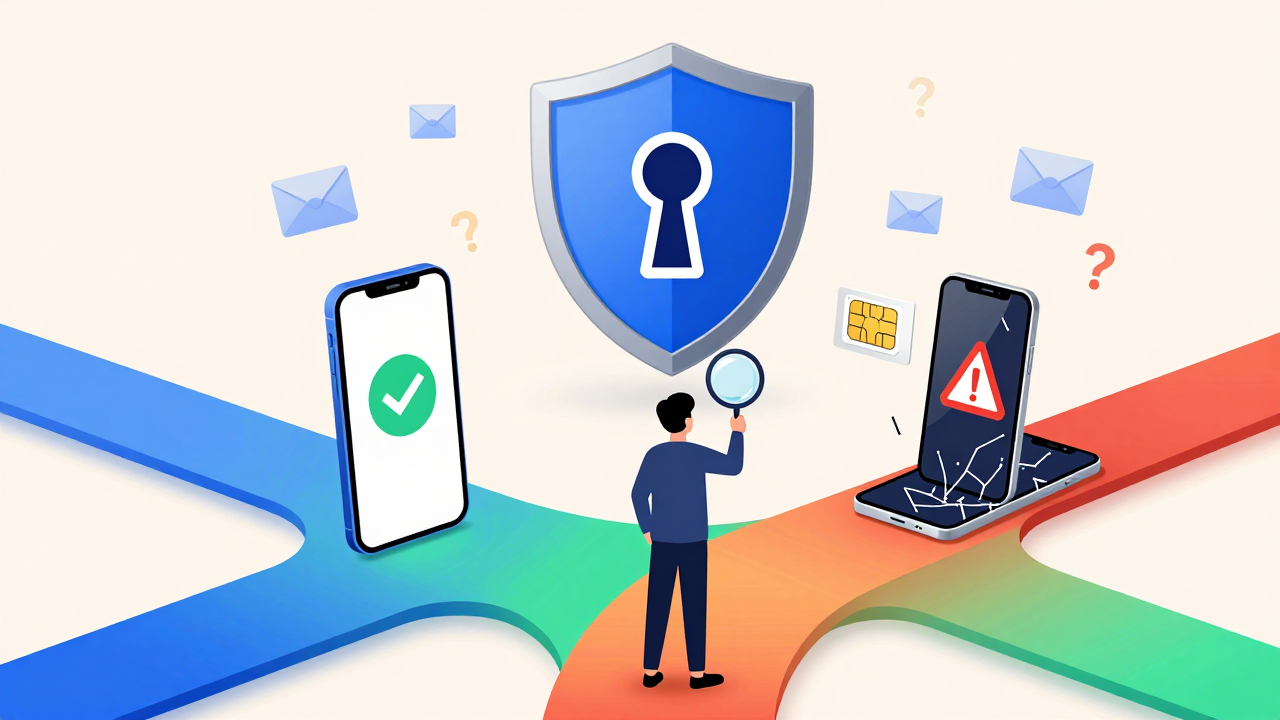
Third, number resources are depleting faster than expected. Industry consensus is that the global pool of available international virtual numbers is shrinking by 8% to 12% every month in 2026. It's not that numbers don't exist—it's that entire number segments are being blacklisted by platforms, leaving SMS providers with fewer and fewer "clean" numbers. To stay operational, many platforms re-list numbers that have already been flagged, which is why users keep hitting the "no SMS received" wall.
What Cross-Border Sellers Should Do When SMS Platforms Stop Receiving Texts
Complaining won't solve anything. Based on my testing and feedback from multiple practitioners, here are some practical recommendations to keep you from going in circles.
- Run small batch tests before committing long-term. Don't buy an annual membership right off the bat. Spend a few dollars on the smallest package and test registration across 3 to 5 different platforms. Only scale up once you confirm a success rate consistently above 80%. This industry changes too fast in 2026—a stable platform today could be dead next month.
- Prioritize platforms that show real-time number status. Many platforms only tell you a number is "available" without revealing whether it's been flagged by risk control. Reliable platforms display metrics like "last 24-hour success rate" and "current risk level" on the number detail page.
- Don't put all your eggs in one basket. Keep 2 to 3 SMS platforms on standby, ideally with different technical approaches—say, one with physical SIM card pools and one with virtual number pools. If one goes down, the other can cover you.
Here's an industry observation worth noting: some platforms are pivoting toward "full lifecycle number management"—handling everything from number selection and warming to verification code reception. For example, Getfollow is one platform trying this in 2026, building number health monitoring and risk alerts into the pre-purchase experience. Users can see a health score before buying, which reduces the odds of paying for a number that won't receive texts. Whether this model is worth following remains to be seen, but the thinking is right—solve the problem before payment, not after.
Comparison: How Mainstream SMS Verification Service Models Differ in 2026
To help you make a more informed decision, I've put together a simple comparison of the service models currently available. Note: this isn't a recommendation list—just an objective look at the differences.
| Service Model | Typical Features | Common Feedback in 2026 | Best For |
|---|---|---|---|
| Pure SMS Platform | Provides numbers only, pay per code | Success rates fluctuate widely; noticeable delays during peak hours | Low-frequency users who register occasionally |
| Number Pool + Status Monitoring | Number health checks and risk alerts | More consistent success rates, but slightly higher pricing | Teams doing batch registrations |
| Full Lifecycle Management | Selection, warming, code reception, and appeals in one package | New trend; limited case studies and mixed reviews | Cross-border businesses heavily dependent on overseas accounts |
From my testing, a pattern that keeps coming up in 2026 is that platforms with number status visibility consistently outperform "blind buy" platforms by over 30% in success rates. There's no official statistic for this, but it's been cross-validated across multiple communities, so I'd say it's fairly reliable.
A Real Case Study: How I Went From "Not Receiving Texts" to Reliable Code Reception
Let me share my own experience. Last month, I needed to register a batch of Instagram accounts for a brand exposure test. Initially, I went the cheap route and bought 50 numbers from a small platform. 28 of them never received verification codes—a 44% success rate.
Then I changed my approach: I bought a $1.50 trial package and specifically tested 5 numbers for "registration success rate" and "delay time." The results surprised me—success rates varied dramatically across different number segments on the same platform. Some segments had a 100% success rate; others had 0%.
What does this tell you? In 2026, when an SMS platform isn't receiving texts, it's often not that the platform "doesn't work"—it's that you haven't picked the right number segment. Modern SMS platforms are essentially selling probability. Your job is to find the segment with the highest success rate, not blindly trust the "recommended numbers" on the homepage.
My advice: before every purchase, spend a few dollars testing different number segments on the platform. Keep track of which ones perform consistently, and stick with them long-term. It's a low-tech approach, but in the 2026 environment, it's genuinely the most effective one.
If You're Struggling With SMS Platforms Not Receiving Texts, Remember These Points
Let me wrap up with some plain talk. These aren't textbook theories—they're lessons from real-world experience in 2026.
First, stop treating SMS platforms as a universal key. Overseas platform risk control has evolved to behavioral recognition in 2026. Simply swapping numbers won't solve the root problem. You need a stable IP and a realistic device environment to improve your success rate.
Second, beware of ultra-low-price traps. Industry consensus is that a single reliable international verification code costs between 5 and 12 cents in 2026. If a platform is selling codes for less than a cent each, you can bet those are recycled or risk-flagged numbers—and missed texts are the likely outcome.
Third, small tests before long-term commitments is always the right move. Whether it's Getfollow or any other platform, start with a small deposit, confirm the success rate meets your expectations, and then scale up. This isn't about distrust—it's about being responsible with your time and money.
The cross-border landscape in 2026 is shaping up to be the year of precision operations. An SMS platform not receiving texts isn't the end of the world—it's a signal. A reminder that it's time to upgrade your account management strategy. I hope this article helps you avoid a few pitfalls and spend your energy on what actually drives growth.
Frequently Asked Questions
Why did my SMS verification platform suddenly stop receiving texts?
In 2026, the most common reasons are upstream channel tightening, overseas platforms flagging virtual numbers as high-risk, and the number itself being "contaminated" through prior use. It's rarely a single platform malfunction—it's an industry-wide shift.
Can I fix "no SMS received" by switching to a different platform?
Sometimes, but not always. If the issue is that your number segment is flagged by the target platform, switching providers won't help. Test different platforms and number segments in small batches first to identify what actually works.
How can I tell if a number is "clean" before buying it?
Look for platforms that show real-time number health scores, historical success rates, and risk levels. If a platform only says "available" without any additional data, assume the number could be flagged and proceed with caution.
What's a realistic success rate for SMS verification platforms in 2026?
From my testing and community feedback, a well-managed platform with status monitoring can achieve 80–90% success rates on clean number segments. Anything below 60% consistently suggests you're working with poor-quality numbers.