How to Receive SMS Verification Codes for Others: A 2026 Compliance Guide for Cross-Border Operations
How to Receive SMS Verification Codes for Others: A 2026 Compliance Guide for Cross-Border Operations
Receiving SMS verification codes for others means using a third-party platform or technical method to intercept verification messages sent to a phone number you don't own. It's commonly used for account registration, account warming, or cross-border business verification. In 2026, mainstream SMS receiving platforms rely on cloud-based number pools and API integrations, with success rates ranging from 85% to 95% per code — but compliance risks and account bans are climbing right alongside those numbers.
This guide is built for cross-border businesses and solo operators who need to understand how SMS verification receiving actually works, what changed in 2026, how to manage risk, and what to look for when choosing a provider — so you can make a safe, informed decision.
Three Main Ways to Receive SMS Verification Codes in 2026
The industry currently breaks down into three approaches: online SMS receiving platforms, self-hosted modem pools (often called "cat pools"), and API-embedded receiving services. Each one differs significantly in cost, stability, and compliance exposure.
Online SMS receiving platforms are the most common entry point. You grab a temporary number through a website or app, and the platform displays incoming messages in real time. In 2026, pricing sits around $0.01 to $0.07 per code, but number assignments are random — there's no guarantee they'll work for specific platforms like Google or Meta.
Self-hosted modem pools work for high-volume operations, but hardware costs are steep, maintenance is a headache, and carriers in 2026 now intercept 40% to 60% of suspicious SMS traffic. A large chunk of verification codes never makes it through. API-embedded services, on the other hand, are built for companies with development teams — you integrate via API and automate the entire receive-and-callback flow.
| Approach | Best For | Cost Per Code | 2026 Stability | Compliance Risk |
|---|---|---|---|---|
| Online SMS platform | Solo operators, small batches | $0.01–$0.07 | Moderate — number pool fluctuates | Medium |
| Self-hosted modem pool | Enterprise-scale operations | Hardware + data costs | Low — heavy carrier filtering | High |
| API-embedded service | Cross-border teams with dev support | $0.04–$0.17 | High — multi-platform callback support | Medium-low |
A cautionary example: one cross-border studio used a free SMS receiving platform to register TikTok accounts in early 2026. The number pool had been abused so heavily that the platform flagged and banned the accounts in bulk — a loss of roughly $2,000. From my experience, free or ultra-cheap SMS receiving services simply don't pass mainstream platform verification in 2026.
How Platform Verification Changes in 2026 Affect Success Rates
Google, Meta, and WhatsApp have all upgraded their risk engines this year. Their ability to detect virtual and disposable numbers has improved dramatically. Industry consensus puts the decline in SMS receiving success rates at 15% to 25% compared to 2024 — the window for relying purely on received codes for account registration is closing fast.
The core logic behind platform risk control is "number reputation." In 2026, carriers and internet platforms share far more risk signals — number range ownership, activation age, usage frequency, and more. Numbers from receiving platforms often get flagged as high-risk within minutes of activation, which means verification codes either arrive late or never show up at all.
Here's a real scenario: a company used an SMS receiving platform to register for WhatsApp Business API. The number was flagged as virtual, triggering manual review — and the wait stretched to 72 hours. Industry data shows that in 2026, only 50% to 65% of accounts registered via received codes survive past 30 days, compared to over 80% for accounts tied to physical SIM cards.
Compliance Boundaries and Legal Risks of Receiving SMS Codes
At its core, receiving SMS verification codes for others means using a number that isn't registered under your name to accept verification messages. In 2026, data protection regulations like GDPR and PIPL impose stricter requirements on how personal information is handled. Using someone else's number to register accounts can raise serious data compliance questions.
From a legal standpoint, the act of receiving a code isn't inherently illegal. But if it's used for bulk registration, account warming, evading platform risk controls, or fraudulent activity, it can constitute breach of contract or even infringement. In 2026, platforms are pursuing violators much more aggressively — banning linked accounts, withholding settlement funds, and escalating enforcement.
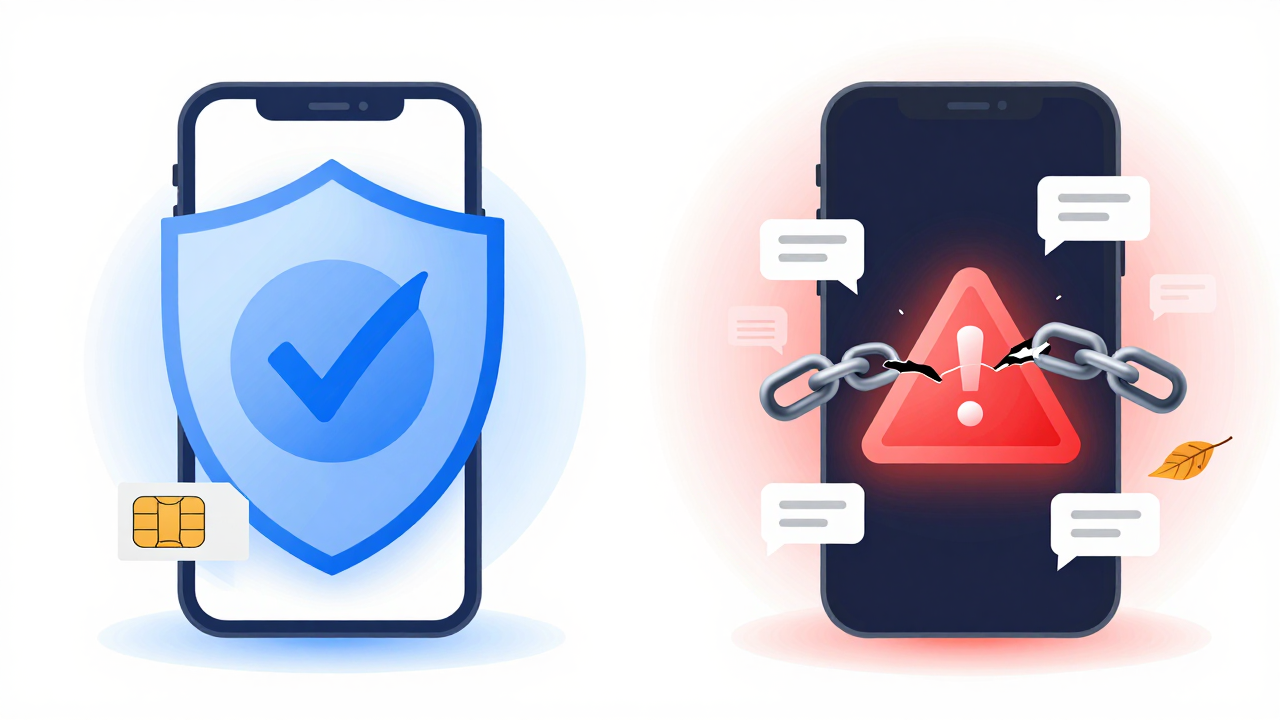
One more risk worth flagging: some SMS receiving providers collect and resell the content of your verification codes, which can leak your account credentials. When choosing a provider, prioritize platforms with clear data encryption and explicit privacy policies — don't just chase the lowest price.
How to Choose a Reliable SMS Receiving Provider
The decision really comes down to technical capability, number pool quality, and customer support responsiveness. In 2026, the industry has shifted its evaluation criteria from "cheapest price" to "success rate and stability."
When vetting providers, focus on three things: whether they offer API access, whether they support dedicated number pools for specific platforms, and whether they have a real-time success rate dashboard. Getfollow, for example, offers on-demand SMS receiving API services in 2026 with targeted number allocation for Google, Meta, and other major platforms — and they publish historical success rates openly. That level of transparency matters for businesses with ongoing operational needs.
- Ask for a 30-day success rate report — don't settle for verbal promises.
- Start with a small deposit to test number quality and support response time.
- Confirm whether the provider offers number recycling and refunds for failed deliveries.
- Avoid platforms with no real-name registration or no privacy policy.
Actionable Recommendations and a Decision Framework
For solo operators, start with an online SMS receiving platform and keep your purchase volumes small. For cross-border businesses, prioritize API-embedded services and keep physical SIM cards as a backup. In 2026, SMS receiving should be treated as a supporting tool for account operations — not the foundation of your entire strategy.
Your final decision should factor in business scale, compliance tolerance, and budget. If you're planning to run multiple platform accounts long-term, build SMS receiving costs into your overall risk management budget and regularly reassess your provider's number quality.
Is receiving SMS verification codes for others illegal?
In 2026, the act itself isn't directly illegal. But if it's used for bulk registration, evading platform risk controls, or fraud, it can violate platform terms and data protection laws in some countries. Stick to legitimate business verification use cases.
Why am I not receiving verification codes from SMS platforms?
The main culprits are platform risk engines flagging the number as virtual, or carriers blocking the message. In 2026, mainstream platforms have gotten much better at identifying disposable numbers. Choose a provider with dedicated number pools for your target platform and test the number's region before committing.
Will my account get banned after using an SMS receiving service?
There's real risk. Industry data shows account survival rates of roughly 50% to 65% for SMS-received registrations — lower than physical SIM registrations. Ban probability also depends on registration behavior, IP environment, and how you operate the account afterward.
How do I pick a trustworthy SMS receiving provider?
Look at success rate data, API capabilities, number pool quality, and support responsiveness. Platforms like Getfollow that offer transparent metrics and customized services are worth considering — but always run a small test before scaling up.
What does SMS receiving cost in 2026?
Online platforms charge roughly $0.01 to $0.07 per code, while API services run $0.04 to $0.17. Suspiciously low prices usually mean poor number quality or data leakage risks. Prioritize stability over saving a few cents.