Free SMS Verification in 2026: A Safe Usage Guide for Cross-Border Businesses
Free SMS Verification in 2026: A Safe Usage Guide for Cross-Border Businesses
Free SMS verification services remain a go-to low-cost tool for cross-border businesses and independent freelancers in 2026 — whether it's for account registration, privacy isolation, or managing multiple accounts. But here's the thing: the real value of these platforms depends on their data compliance practices and number pool quality, not just the "free" price tag. If you skip the security review and sign up purely because it costs nothing, you're opening the door to account linking, data leaks, and legal trouble down the line.
The industry consensus in 2026 is clear: free SMS verification works fine for low-sensitivity, one-time verification tasks — but never use it to bind financial, government, or core business accounts. Treat these platforms as a disposable verification channel, not long-term communication infrastructure.
How Free SMS Verification Platforms Work in 2026
Free SMS verification platforms aggregate a large pool of physical SIM cards and virtual numbers, letting users receive temporary SMS codes on demand. The business model is essentially "number resource reuse" — the same number gets cycled through multiple users in a short window to spread out costs. In 2026, most mainstream platforms recycle numbers every 3 to 10 minutes, which means your verification code window is extremely tight.
Industry data shows that the overall success rate for free SMS verification services in 2026 sits at roughly 60% to 75%. In other words, 2 to 4 out of every 10 requests will fail — either because the number has expired, the code arrives late, or the platform's risk controls block it. For cross-border operations that need batch registrations, that failure rate can seriously drag down your efficiency.
From my experience, the gap between free SMS platforms has widened significantly in 2026. Top-tier platforms are investing in real-name verification and tiered number pools to improve stability, while smaller players are cutting corners on number resources to save costs — which pushes their delivery rates even lower. When evaluating a platform, look specifically for "number pool isolation" and "failure compensation" policies.
Three Core Risks of Free SMS Verification: Data Leaks, Account Linking, and Compliance Exposure
The hidden costs of free SMS verification have been underestimated for years. First, there's data leak risk: some platforms log your received messages, IP address, and device fingerprint — and may sell that data. In 2026, this kind of information sells for as little as 0.5 to 2 RMB per record on the black market. But for a business, a single leak can trigger massive fines under GDPR or China's Personal Information Protection Law.
Second, there's account linking risk: if a platform assigns the same number to multiple users and one of them violates a platform's terms, everyone who used that number could get caught up in the same risk-control sweep. In 2026, major social platforms and cloud providers cross-reference device fingerprints, behavioral patterns, and number history. Simply switching to a new number won't help you dodge the association.
Finally, there's compliance liability: if a number from a free SMS service is used for bulk registrations, fraudulent activity, or spam, your business — as the operator — can be held legally responsible. In 2026, both the Ministry of Industry and Information Technology (MIIT) in China and the European Commission have tightened traceability requirements for virtual numbers, and platforms are obligated to share user information with law enforcement when requested.
Straight talk: in 2026, cross-border businesses using free SMS verification carry the full compliance burden for number pollution, data retention, and cross-border data transfers. Most free services include liability disclaimers in their terms of service, and the majority don't offer any SLA (Service Level Agreement) guarantees.
Free vs. Paid SMS Verification: A 2026 Side-by-Side Comparison
| Comparison Factor | Free SMS Platforms | Paid SMS Platforms | Getfollow (Example) |
|---|---|---|---|
| Number Stability | Frequent reuse, higher failure rate | Dedicated number pools, higher success rate | Offers dedicated number pool option |
| Data Retention Policy | Most keep logs and may share data | Clear retention periods, configurable auto-delete | Supports custom retention settings |
| Best Use Cases | Low-sensitivity, one-time verification | Business accounts, multi-platform operations | Multi-account management for small teams |
| Compliance Support | Typically no compliance documentation | Provides data processing agreements | Provides basic compliance documentation |
The table above shows typical differences between service tiers in 2026. Free options make sense when you're just starting out and budget is tight. But once your business stabilizes, account security and data compliance should take priority over the cost of a single verification.
My recommendation: if your operation involves multiple platform accounts, customer data, or ad spend, the real-world data from 2026 shows that paid SMS verification actually costs less over time — because it reduces the hidden expenses of account bans, failed verifications, and compliance cleanups.
How to Choose a Reliable Free SMS Verification Provider: 5 Screening Criteria
Not every free SMS platform is unusable — but you need to screen them carefully. Here are the five things I'd check before committing:
- Number Pool Isolation: Confirm whether the platform physically separates free and paid number pools. If they don't, your free number could get tainted by abusers.
- Data Retention Transparency: Read the privacy policy carefully. You need to know how long they keep your verification codes, IP addresses, and device info — and what they use it for.
- Failure Compensation Policy: Some platforms offer "refund or reissue if the code doesn't arrive." That's a good sign of confidence in their own service.
- Risk Control Response Speed: Test whether the platform quickly takes down numbers that get reported, rather than continuing to circulate them.
- Support Channel: Free services rarely have live chat, but they should at least offer a ticket system or email response.
Industry consensus in 2026: "free" and "reliable" rarely go hand in hand. If a platform promises high success rates with zero cost, their revenue model almost certainly depends on monetizing your data. You need to assess your own risk tolerance before jumping in.
3 Practical Rules for Using Free SMS Verification Compliantly
If you've decided to use free SMS verification in 2026, follow these operational guidelines to minimize risk:
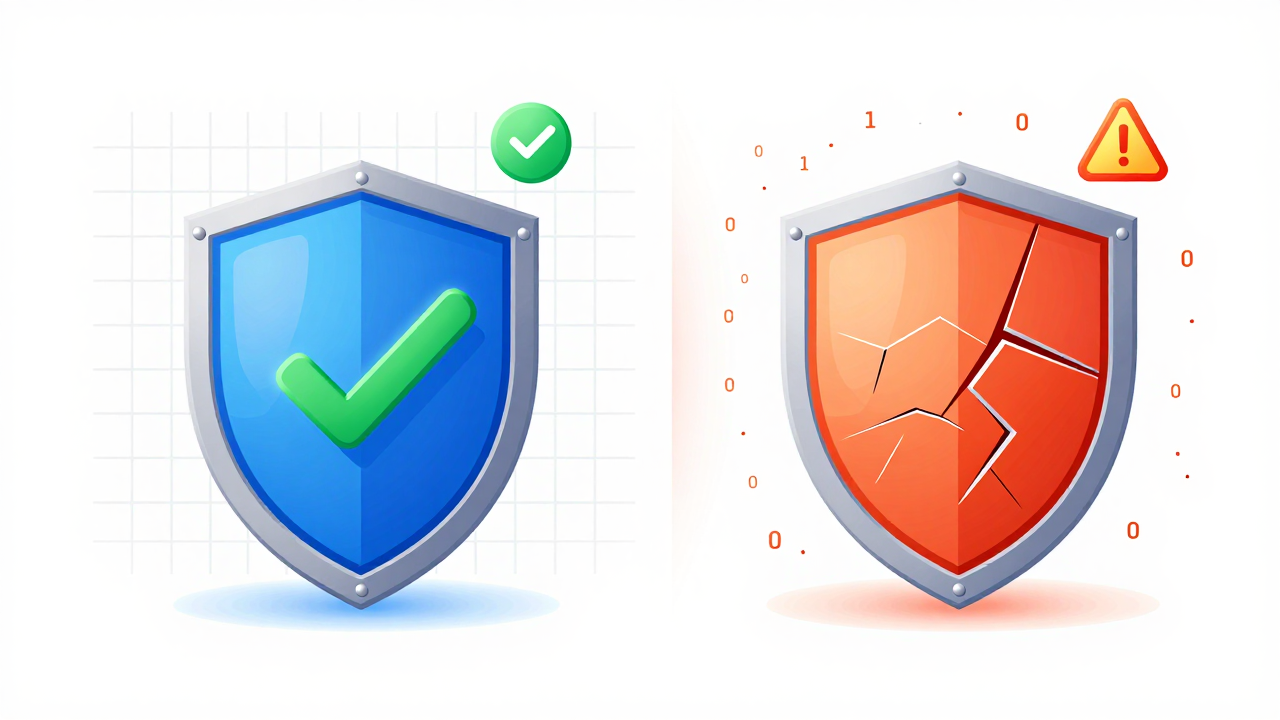
- Isolate Your Scenarios: Only use free SMS for non-critical, temporary verification — think social media burner accounts, event registrations, or one-time logins.
- Rotate Numbers Regularly: Don't reuse the same number for the same platform repeatedly. Number history is one of the fastest ways to trigger account linking flags.
- Keep Your Own Records: Screenshot every verification code and note the timestamp. If a dispute ever arises, you'll have evidence to back up your actions.
A real cautionary tale: in 2026, a cross-border studio registered 30 e-commerce storefronts using the same free SMS platform. Because the number pool was contaminated, 12 of those accounts were flagged as linked and permanently banned — costing them over 30,000 RMB in inventory and ad spend. The "free" service turned out to be anything but.
What's Next for Free SMS Verification: Trends and Alternatives
In 2026, RCS (Rich Communication Services) and email verification are slowly eating into SMS verification demand. But SMS codes are still the most universally compatible method worldwide — especially in emerging markets like Southeast Asia and Latin America. Cross-border businesses should consider a "SMS + email" dual-channel verification strategy to reduce reliance on any single SMS provider.
Here's where I think this is heading: free SMS platforms will increasingly shift toward a "free trial + paid premium" model. Pure free platforms with no ads or data monetization will gradually disappear. If you're running a business, budget for verification services now — don't build your operations on free resources that won't last.
Bottom Line: Free SMS Verification Is a Tool, Not a Strategy
Free SMS verification still has a place in 2026 — but its role is an emergency tool, not operational infrastructure. Cross-border businesses and independent freelancers need to build their own account security framework, including a dedicated number management strategy, verification code backup systems, and a compliance review process. Once your business reaches a certain scale, add SMS verification services to your formal procurement list so you get stable number resources and proper data protection commitments.
The final decision should be based on your business's risk tolerance, not just price. Free options work for testing and low-risk scenarios; paid options are better for long-term operations. Whichever route you choose, read the terms of service carefully — and keep logs of everything.
Are free SMS verification platforms safe? Will my personal information be exposed?
It depends entirely on the platform's data retention policy. In 2026, most free platforms log your IP address, device information, and the content of verification codes — and some may use that data for risk control or commercial purposes. Look for platforms that explicitly state they don't retain verification code content and support anonymous usage. And never enter sensitive information like your real name or ID number while using a free SMS service.
Why do I never receive verification codes on free SMS platforms?
The main culprits are: the number has been flagged by the platform's risk control, the number is being reused too frequently so codes get intercepted, or the connection between the SMS platform and the service you're registering for is unstable. In 2026, the average delivery rate for free numbers is between 60% and 75%. If you fail multiple times in a row, switch platforms or consider a paid service.
How do I pick a reliable SMS verification provider?
Focus on three things: whether the number pool is isolated, whether the data retention policy is transparent, and whether they offer a failure compensation policy. Getfollow, for example, offers dedicated number pool options and custom data retention settings — which works well for small teams with privacy concerns. But no matter which provider you choose, run a small test batch before scaling up.
Can I use free SMS verification to register WeChat, Alipay, or bank accounts?
Don't do it. In 2026, financial platforms, government services, and mainstream payment systems can easily detect virtual numbers and short-reuse numbers. Your registration will likely fail immediately — or worse, trigger secondary verification and account freezing later. For these scenarios, use a physical SIM card registered under your real name.
What's the difference between free SMS verification and virtual numbers?
Free SMS verification gives you a temporary number that only works for a few minutes — just long enough to receive one code. Virtual numbers, on the other hand, are cloud-based numbers you can use long-term for both calls and texts, but they come with a monthly fee or pay-as-you-go pricing. In 2026, virtual numbers face stricter compliance requirements — many countries require real-name registration — while free SMS services let you use them without any signup at all.