Best SMS Verification Service for Global Business: A Practical Guide
Best SMS Verification Service for Global Business: A Practical Guide
After years working in cross-border e-commerce, I've watched too many teams hit a wall at the account registration stage. WhatsApp, Telegram, and TikTok keep tightening their verification protocols, and the quality of your SMS verification service often determines whether your accounts survive or get banned within hours. Let's skip the fluff and talk about what actually matters when choosing an SMS verification platform—what to avoid, what features are non-negotiable, and how to spot a provider that won't waste your money.
What Your Business Actually Needs From an SMS Verification Service
A lot of people start by asking, "Which app lets me receive SMS codes for free?" Honestly, that approach stopped working around 2024. Free verification platforms have had their number pools flagged by major networks long ago. If you register with one of those numbers, your account probably won't survive three days.
Cross-border enterprises and solo operators have different needs. Businesses care about number stability and country selection—say, US numbers for WhatsApp verification at scale. Freelancers and small teams care more about cost and convenience. They just need a few codes now and then, without paying for features they'll never touch.
Industry consensus points to three must-haves in any practical SMS verification platform:
- Fresh number inventory—avoid providers still recycling the same burned-out number ranges
- Coverage for major platforms (WhatsApp, Telegram, Google, and others)
- Transparent pricing—per-code or subscription, with no hidden fees
Common Mistakes When Choosing an SMS Verification Platform
First mistake: trusting download counts instead of actual user feedback. App store rankings are easy to game. If you want the real picture, head to cross-border seller communities and read what people are saying. From my experience, some of the top-ranked apps struggle to deliver even a 50% success rate on verification codes.
Second mistake: chasing the cheapest option. Yes, you'll find services charging pennies per code, but ask yourself where those numbers come from. Most likely they're bulk-registered virtual numbers or segments already flagged by risk control systems. Registering with them puts your account at a permanent disadvantage—you'll spend more on "warming up" the account later, if it survives at all.
Third mistake: ignoring privacy and security. Some sketchy platforms log your registration activity and intercept your verification codes. If that data ever leaks, your accounts are completely exposed. Before committing to any service, check for a clear privacy policy and end-to-end encryption on data transmission.
From what I've seen in the industry, platforms like Getfollow have built a solid reputation by operating legitimately. They don't rely on questionable number sources—they work with overseas carriers through proper partnerships. The per-code price runs a bit higher, but when you factor in account survival rates, the return on investment beats cheap alternatives every time.
How to Vet a Verification Platform Before Committing
Here are practical checks that experienced operators use to separate reliable services from time-wasters:
- Start with a small deposit instead of buying a big package upfront. Test delivery speed and success rates across a few major platforms before scaling up.
- Gauge customer support response time. Delayed verification codes happen—how fast the provider resolves them directly impacts your workflow.
- Ask about country-specific number options. If your business needs numbers from particular regions, make sure the platform supports that before you commit long-term.
The Industry Shift: Verification Services Are Cleaning Up
A few years ago, the SMS verification market was a mess, flooded with gray-market tools. But as social platforms upgraded their risk control and regulators tightened enforcement, most of those borderline operations have been pushed out. The providers still standing are mostly running legitimate operations.
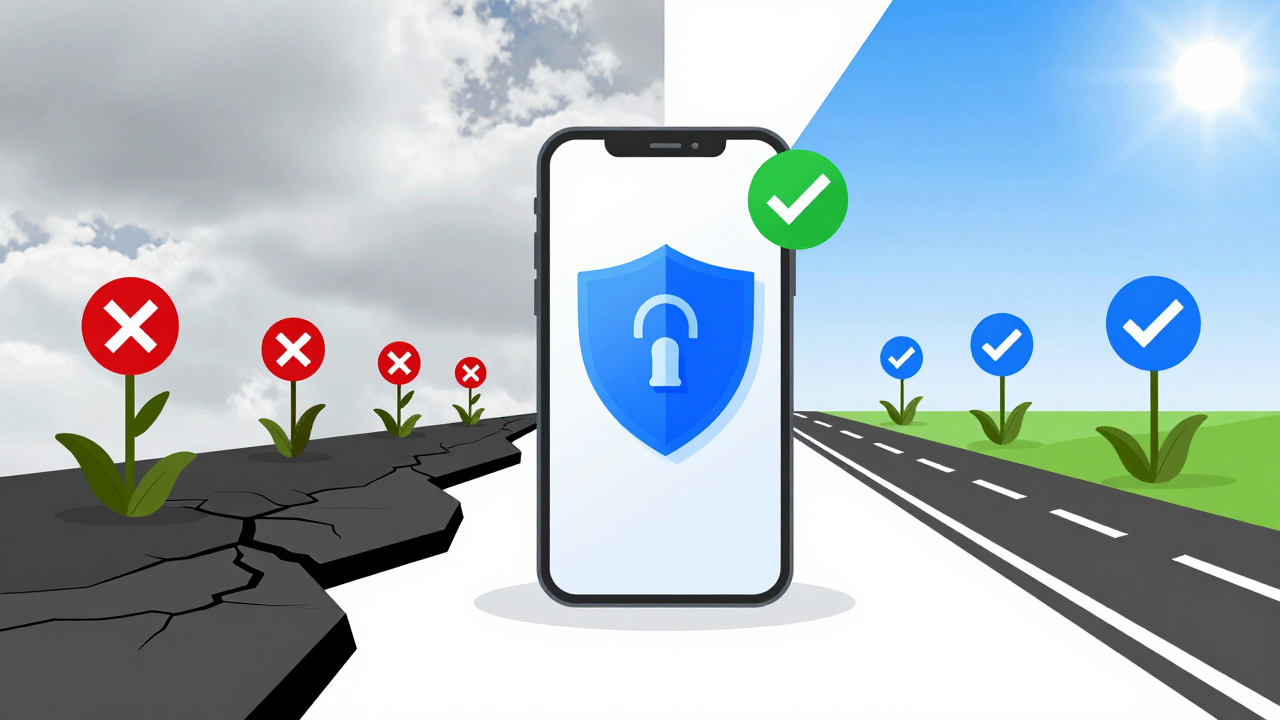
This shift is actually good news for cross-border professionals. Better number quality means higher registration success rates. Many operators I've talked to report that using compliant verification platforms, WhatsApp registration success rates now consistently hit above 90%—a massive jump from the free-tool era.
One thing to keep in mind: verification is just the first step. Account warming, operating environment, and network IP quality all matter just as much. An SMS verification service solves one problem—receiving codes reliably. Don't expect it to fix everything else.
Choosing the Right Plan and Budgeting Smartly
For solo operators with light monthly volume, per-code pricing makes the most sense. Pay for what you use, skip the bulk packages. For teams doing batch registrations, look for a provider with API access so you can integrate verification directly into your automated workflows—no manual copy-pasting.
Pricing across the market ranges from a few cents to a few dollars per code. The difference comes down to number quality and success rates. As a rule of thumb, any service charging under ten cents per code is either a scam or pushing recycled garbage numbers. Skip them.
One final word: always download verification apps from official channels. Third-party installers and random websites often bundle malware—you could turn your computer into a botnet node without realizing it.
At the end of the day, an SMS verification service is a basic tool. Choose well and it saves you headaches. Choose poorly and you're digging your own hole. I hope this guide helps you avoid the common traps. If you're shopping for a stable provider, add platforms like Getfollow to your comparison list, test their delivery speed and success rates yourself, and decide based on real results.
Frequently Asked Questions
Is there a free SMS verification service that actually works?
Free services generally don't work for major platforms anymore. Their number pools have been flagged by risk control systems, so accounts registered with them rarely survive. Paid services with carrier partnerships offer much higher success rates.
Can I receive WhatsApp verification codes with these services?
Yes—most reputable platforms support WhatsApp, Telegram, Google, and other major services. Just confirm the platform covers the specific services you need before purchasing a plan.
How much does a reliable SMS verification service cost?
Expect to pay anywhere from a few cents to a few dollars per code, depending on number quality and country. Anything under ten cents per code is usually a red flag for poor quality or fraudulent numbers.
Are SMS verification services safe to use?
Legitimate services with clear privacy policies and encrypted data transmission are safe. Avoid unknown platforms that don't disclose how they source numbers or handle your data.