Free SMS Verification Platforms: The Real Cost跨境 Businesses Need to Calculate
Free SMS Verification Platforms: The Real Cost跨境 Businesses Need to Calculate
If you run a cross-border e-commerce operation or a solo studio, you've probably been through this: you're registering a WhatsApp, Telegram, or TikTok account, and right after entering your phone number, the system says "This number has already been used" or "Unable to verify." Your first instinct is to search for a free SMS verification platform, grab any number, and collect the code. But after a few attempts, you'll realize free can cost you more than paid ever would.
What Exactly Is "Free" About Free SMS Verification Platforms?
Most platforms advertising "free" SMS verification operate on a simple model: the same number gets sold over and over to countless users. A single number might be used by dozens of people in one day to register various apps, while the platform profits from ad traffic or upsells to premium services. The direct consequence? A heavily polluted number pool. Many overseas platforms' risk-control systems detect the fingerprints of these virtual number segments and refuse to send verification codes outright.
From my experience, a very common pattern emerges: cross-border sellers trying to save a few cents end up burning an entire afternoon on free platforms, cycling through dozens of numbers, and landing on exactly zero that work. Eventually, they give up and go paid anyway. The time lost and the frustration of failed registrations—those hidden costs rarely get factored in.
There's also a privacy risk that flies under the radar. Free platforms typically don't require real-name verification or any identity binding, which means the person behind any given number is completely unaccountable. The number you use to register your account could simultaneously be used by a stranger to sign up for other services. If that person violates terms, your account can easily get flagged and banned through association.
The Right Approach for Transactional Searches: Number Quality First, Price Second
If your goal is long-term management of overseas accounts—not just collecting a one-time verification code—you need a different mindset. Industry consensus is clear: the core value of an SMS verification service lies in number purity and stability, not the price tag alone.
Cross-border professionals consistently report that numbers capable of reliably receiving verification codes come from carrier-direct segments or rigorously screened real-SIM pools. These numbers inherently cost more to source than virtual segments, so completely free options are basically a myth. Any platform claiming "free forever" is likely feeding you virtual numbers that will fail when it counts.
Looking at the transactional search intent here, users don't actually want "free"—they want the outcome of completing an account registration at a low cost. So when evaluating providers, focus on these factors:
- Does the number pool support specific countries or regions? Some platforms claim global coverage but have very limited reach in practice.
- Does it support verification for the major platforms you actually use—WhatsApp, Telegram, Google, and others?
- What's the refund or retry policy on failed verifications? This clause matters more than you'd think.
- Is there an API available for bulk operations if you're running a studio or agency?
One platform that has earned a solid reputation in the industry is Getfollow. They follow a compliance-first operational model—no free gimmicks, but they've nailed down number quality and service stability. Their per-message pricing looks more expensive than free platforms, but the first-attempt success rate is so high that the total cost per successful registration often ends up lower.
Common Pitfalls of Free SMS Platforms—How Many Have You Hit?
Several independent sellers have told me similar stories: they bought a number from a free platform to register PayPal, and the next day their account got restricted for "suspicious registration environment." When they appealed, the platform demanded carrier verification for the phone number—something a free SMS service simply can't provide. The account got frozen, and there was nothing they could do.
This isn't an isolated case. Risk-control systems on major overseas platforms are getting smarter every year, with high detection rates for virtual segments and disposable numbers. Your registration environment, number attribution, and IP address all get evaluated together. One weak link in that chain can trigger a block.
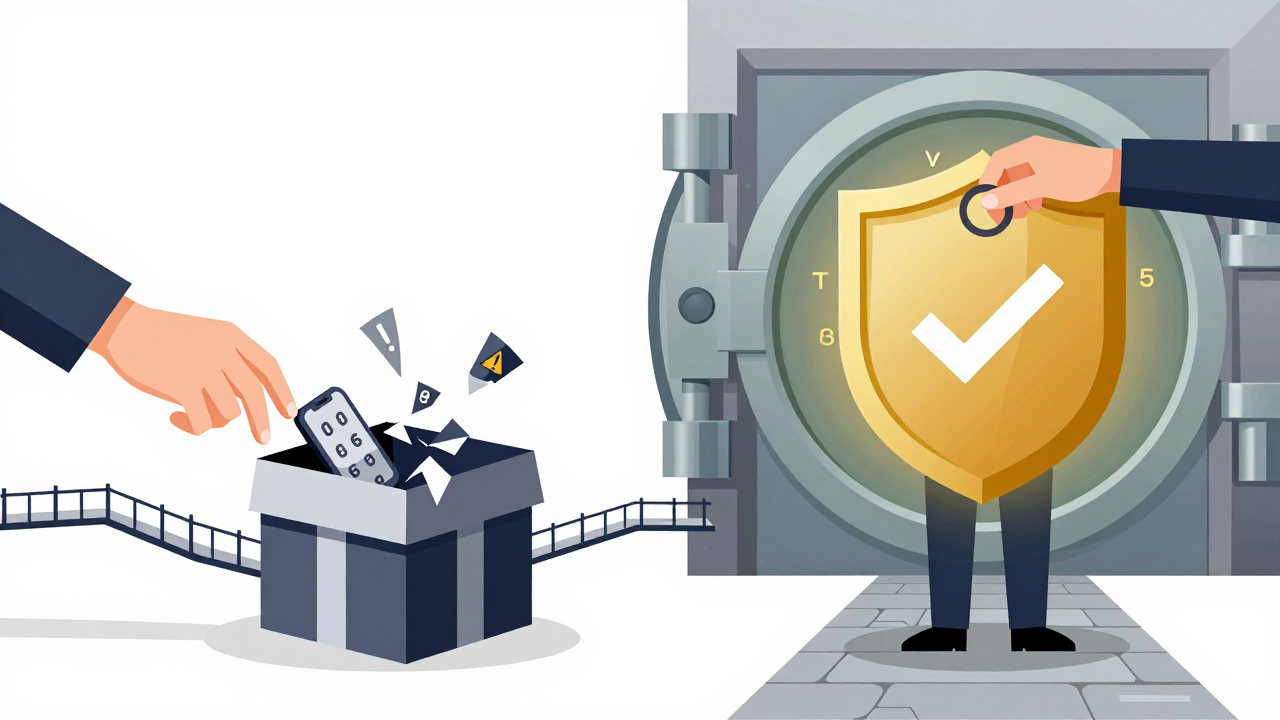
So beneath the keyword "free SMS verification platform" lies a more fundamental question: how much are you willing to invest in the long-term security of your accounts? If you just need a code once for a throwaway registration, a free platform might get the job done. But if you're running a cross-border business, your accounts are your assets. Registering core accounts through free SMS services is like storing valuables in a safe with no lock.
Industry Trend: The Free Model Is Fading Out
Starting in 2023, many overseas platforms tightened their verification code distribution policies, dramatically increasing interception rates for virtual number segments. Leading domestic SMS verification platforms have also adjusted strategies, gradually phasing out free tiers in favor of paid plans with real-name verification. The logic is straightforward: free models can't sustain high-quality number pools, and without a high-quality pool, you can't meet the real needs of cross-border users.
If your studio is still using free platforms to batch-register accounts, you're running a serious risk of losing everything in one sweep. A friend who runs a social media matrix operation told me he registered 50 TikTok accounts through a free platform—47 got banned within a week, and the remaining 3 were throttled. After switching to a paid service, his per-account cost went up several times, but the survival rate improved dramatically.
This isn't to say paid is always better—it's about matching the solution to your use case. For product testing or one-off verifications, free platforms can serve as a stopgap. For long-term operations, allocate your budget toward number quality. Many cross-border professionals find that burning hours on free platforms trying to find a working number is a worse trade than just picking a reliable paid service and focusing on the actual business.
Coming back to the "free SMS verification platform" topic, my take is this: free often ends up being the most expensive option. Time lost, account risk, privacy exposure—these are all hidden costs. Smart cross-border operators control risk at the registration stage, not after accounts get banned and they're left scrambling.
If you're shopping for SMS verification services, start by clarifying what you actually need: which countries' numbers? Which platforms will you use them on? How frequently do you register? List out those requirements before comparing providers, and you'll find "free" stops being the deciding factor. Platforms like Getfollow don't offer free plans, but they deliver consistency and compliance—exactly what you need if you treat your accounts as assets.
One last thought: the cross-border road is full of pitfalls, but every pitfall has a workaround. On SMS verification, spending a few extra dollars buys you account security and business stability. That's a trade that always pays off.
Frequently Asked Questions
Why do free SMS verification numbers fail so often?
Free platforms recycle the same numbers across hundreds of users. Overseas platforms' risk-control systems flag these heavily used virtual numbers and block verification codes before they're even sent. It's a numbers game where the house always wins—against you.
Can I use a free SMS platform for WhatsApp or Telegram registration?
Technically possible, but the success rate is low and dropping. Both WhatsApp and Telegram have aggressive anti-spam systems that detect virtual number patterns. If you're registering accounts you plan to keep long-term, a paid service with clean numbers is the safer route.
What should I look for in a paid SMS verification service?
Check three things: number pool coverage for your target countries, success rates on the specific platforms you use, and the refund/retry policy on failed attempts. Also, confirm whether they offer API access if you need bulk registration capabilities.
Is it safe to use SMS verification platforms for business accounts?
It depends on the provider. Reputable platforms maintain clean number pools and comply with carrier regulations, which minimizes risk. Free or unvetted services expose you to number recycling and privacy leaks that can get your accounts flagged or banned.