SMS Verification Code Services in 2026: A Compliance Guide for Cross-Border Businesses and Solo Operators
SMS Verification Code Services in 2026: A Compliance Guide for Cross-Border Businesses and Solo Operators
SMS verification code services let you receive one-time passwords from online platforms using temporary or virtual phone numbers. In 2026, cross-border businesses still rely heavily on these services for account registration, account warming, and multi-platform operations. But here's the catch: platform risk controls have gotten significantly stricter, and the quality of your SMS verification service now directly determines whether your accounts survive or get banned.
The game has changed in 2026. It's no longer about simply receiving a code—it's about whether your account survives after that code is verified. Platforms now evaluate the number's ownership history, device environment, and behavioral patterns, not just whether the code matches.
Why Cross-Border Businesses Still Need SMS Verification in 2026
Getting registered on overseas e-commerce platforms, social media ad accounts, and payment tools has become progressively harder. In 2026, most major platforms require phone verification as the first step of identity binding. If you're running multiple independent sites or ad accounts as a solo operator, a single physical number simply can't provide the isolation you need.
Industry data suggests that 60%–75% of cross-border multi-account operators used SMS verification services in 2026 for receiving codes or binding backup numbers. However, the same research shows that 25%–40% of account bans stem from poor number quality—making number quality the single biggest factor in account survival.
Let's be clear: SMS verification services aren't a gray-area tool. They're part of the infrastructure for cross-border operations. The difference in 2026 is that the right way to use them means choosing providers with real SIM card pools, proper number recycling policies, and carrier coverage that matches your target regions—not just whoever offers the lowest price.
How Platform Risk Control Works in 2026 and Why Number Quality Matters
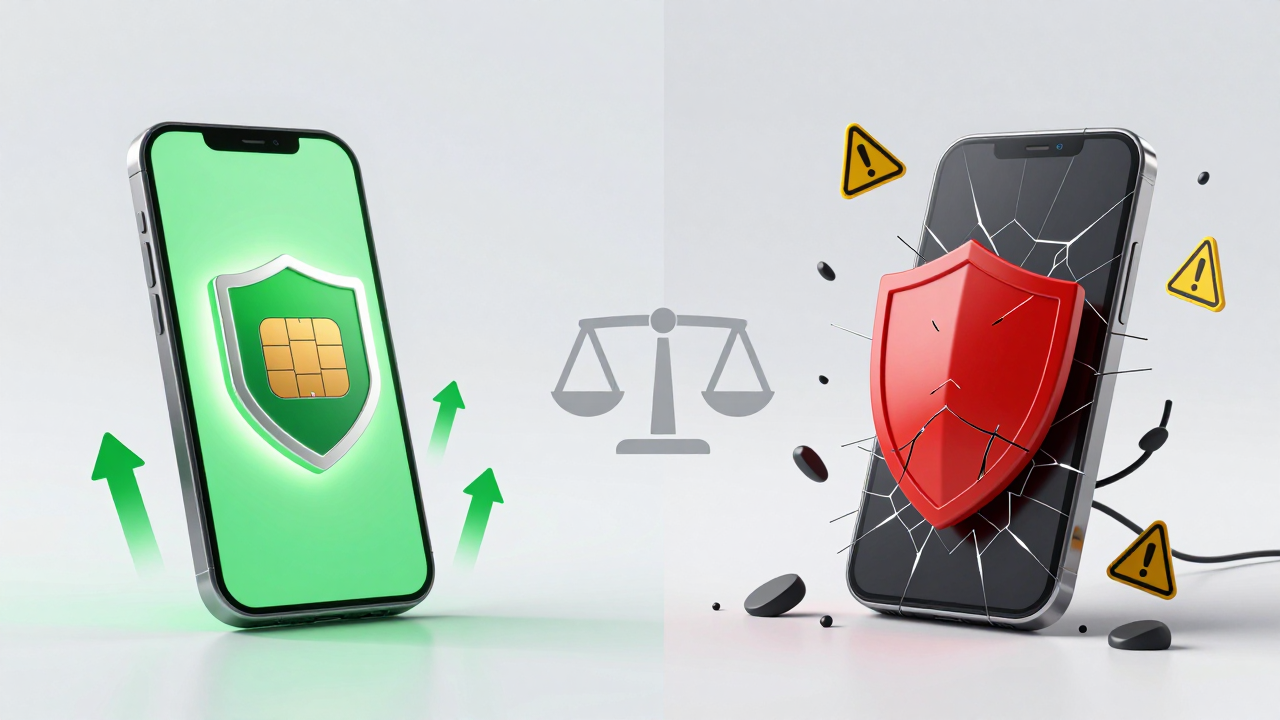
Platform risk control has evolved from checking "does the code match" to scoring "how trustworthy is this number." The scoring considers: whether the number comes from a virtual carrier, how many people have used it before, whether it's received codes from multiple platforms in a short window, and whether the number's region matches the login IP address.
This has split the SMS verification market into three tiers:
- Low-quality number pools: Free or dirt-cheap services where numbers get reused constantly. Risk scores are terrible. Fine for throwaway accounts you don't care about.
- Mid-quality number pools: Pay-per-use or monthly plans with some number isolation. Works for regular business accounts but still carries association risks.
- High-quality number pools: Dedicated numbers, specific carrier selection, and long-term holding options. Pricier, but essential for accounts you need to warm up or bind to payment tools.
2026 data shows that accounts using high-quality number pools achieve a 70%–85% survival rate after 30 days, while low-quality pools typically see survival rates below 30%.
Here's a cautionary tale: one cross-border seller registered 50 TikTok accounts in early 2026 using a budget SMS verification platform. All 50 were banned within three days. The reason? The same numbers from the pool had been used to register accounts across multiple platforms, triggering association flags. After switching to a high-quality number pool, the survival rate for the same batch of accounts jumped to over 80%.
How to Choose an SMS Verification Provider: Criteria and Red Flags
When evaluating SMS verification providers in 2026, focus on these dimensions: whether the number sourcing is legitimate, whether they support carriers in your target countries, whether numbers can be recycled after use, whether they offer API access for automation, and how fast their support team responds when things go wrong.
| Evaluation Criteria | Low-Quality Provider Traits | High-Quality Provider Traits |
|---|---|---|
| Number sourcing | Bulk-registered virtual numbers | Physical SIM card pools or compliant partnerships |
| Number isolation | One number shared across many users | Dedicated numbers with binding options |
| Carrier coverage | Limited to a few countries | Mainstream carriers in your target markets |
| API capabilities | None or unreliable | Documented, stable interfaces |
| Support responsiveness | Tickets go unanswered | Real-time chat or dedicated support groups |
Take Getfollow as an example: in 2026, they offer high-quality number pools designed for cross-border operations, with multi-country carrier options and API integration. That makes them a solid fit for teams with clear account survival requirements. But every provider carries some risk of numbers being flagged by platforms. The industry-accepted baseline for 30-day account survival after SMS verification is 60%—if your provider consistently falls below that, it's time to switch.
Important warning: SMS verification cannot bypass manual reviews or behavioral risk controls. Even if your code passes, accounts still get banned for abnormal behavior—frequent IP changes, low-quality content, mismatched payment details. SMS verification only solves the "verification" step, not the "trust" step.
Best Practices and an Action Checklist for Using SMS Verification in 2026
For cross-border businesses and solo operators using SMS verification services in 2026, here's what works:
- Prioritize providers that offer physical carrier numbers in your target countries—avoid virtual number segments.
- Use dedicated numbers for high-value accounts (ad accounts, payment tools). Never share them with other users.
- Complete secondary verification (email, documents) as soon as possible after registration to reduce reliance on SMS codes.
- Avoid using the same number to receive codes from multiple platforms within a short timeframe—this triggers association flags.
- Regularly clean up accounts you no longer use to free up number resources and reduce maintenance costs.
Here's my practical advice: if your business is small and your accounts aren't core assets, mid-quality number pools can keep costs reasonable. But if your accounts are tied to ad spend or customer assets, allocate 5%–10% of your total operational budget to SMS verification—it's cheap insurance for account survival.
In the 2026 cross-border landscape, SMS verification services remain a necessary tool for account registration. But they're just the starting point. Long-term account survival depends on the combination of number quality, operating environment, and behavioral compliance. When choosing a provider, use "30-day account survival rate" as your primary metric—not the price per code.
What is an SMS verification code service?
An SMS verification code service provides temporary or virtual phone numbers to receive one-time passwords sent by platforms during registration, login, or account binding. In 2026, these services are primarily used by cross-border operators managing multiple accounts.
Are SMS verification platforms reliable?
Reliability depends entirely on number pool quality and operational standards. The 2026 industry consensus is that high-quality pools (dedicated numbers, physical SIMs, specific carrier options) deliver significantly better account survival rates than cheap shared pools. Start with a small test batch, monitor account status at the 7-day and 30-day marks, then decide on long-term partnerships.
How do I pick a trustworthy SMS verification provider?
Check number sourcing, carrier coverage, API availability, and support response times. Ask providers to explain their number isolation strategy and look for real user test data. Getfollow, for instance, clearly offers dedicated numbers and multi-country carrier options, making them a reasonable choice for teams that need to warm up accounts long-term. But always validate against your own use case and test results.
Will using SMS verification get my accounts banned?
Using SMS verification itself won't get you banned. But low-quality number pools—shared numbers, virtual segments—significantly increase the chance of triggering association flags. In 2026, platforms focus on number trust scores and behavioral consistency, so pair your SMS verification with stable IP environments and realistic usage patterns.
How much do SMS verification services cost?
In 2026, prices range from a few cents to several dollars per code. Budget codes come from shared pools and work for one-time registrations. High-quality dedicated numbers cost more but deliver far more stable account survival rates. Match your budget to account value—never use the cheapest option for accounts that matter.