How to Choose a Cat Pool SMS Verification Platform: Straight Talk from a Cross-Border Veteran
How to Choose a Cat Pool SMS Verification Platform: Straight Talk from a Cross-Border Veteran
If you're in cross-border e-commerce or running private traffic for client accounts, you've probably crossed paths with cat pool SMS verification platforms. When you need to register overseas accounts in bulk or verify multiple social media profiles, running out of phone numbers is a daily headache—and these platforms become a necessity. But honestly, this industry has some murky corners. Some platforms lose your numbers mid-use, others deliver verification codes so late you'll question your life choices. Let's skip the fluff and talk about how to pick a cat pool SMS verification platform you can actually rely on long-term.
Why Your Business Actually Needs a Cat Pool SMS Verification Platform
When most small studios start in cross-border business, they use their personal phone numbers to register accounts. But you've got one SIM card—maybe two if you're running dual-SIM. Once your operation scales, you're managing dozens or even hundreds of accounts. That's where a cat pool SMS verification platform earns its keep—it solves the "number resource pool" problem at its core.
From real-world usage across the industry, people turn to verification platforms for a few main scenarios:
- Bulk-registering e-commerce store accounts (Amazon, Shopee, Lazada)—each store needs its own unique phone number
- Running social media account matrices—platforms like TikTok, Instagram, and Facebook require tons of numbers for account nurturing
- Frequent verification code needs for tools like overseas marketing software and analytics platforms
- Testing and development—developers debugging APIs need a steady supply of test numbers
Here's the harsh reality: the quality of numbers a platform provides directly determines your account survival rate. Plenty of cross-border operators report that cheap platforms push virtual number segments that platform risk controls flag instantly—accounts get banned within days of registration. So the first thing to check in a cat pool SMS verification platform is whether the numbers come from real physical SIM cards.
Three Main Models of Cat Pool SMS Verification Platforms
The market currently has three types of verification services. Understanding the difference tells you exactly what your money is buying.
Model one: pure physical SIM pool. These platforms stock massive quantities of real SIM cards, connected through cat pool hardware. You submit a verification task, and the platform forwards the code they receive. The upside? Real numbers mean higher registration success rates. The downside? Higher costs—these numbers aren't cheap. And if the platform's risk control is weak and numbers get flagged, you'll still run into trouble.
Model two: virtual number pool. These use VoIP numbers like Google Voice. Pricing is dirt cheap—pennies per code—but many platforms recognize virtual number segments instantly and reject them for strict registrations. They work fine for low-sensitivity forums or community sign-ups, but they're a poor fit for nurturing your main accounts.
Model three: hybrid approach. These platforms offer both physical SIMs and virtual numbers, letting you choose based on the use case. This model demands stronger technical capability and better number resource management, but it's the most flexible in practice. Platforms like Getfollow have built a solid reputation in the industry using this compliant operational logic—physical and virtual numbers are priced separately, and users pick what fits the task.
From my experience, I've noticed a common pattern: studios chase the cheapest virtual number packages, then watch their freshly registered stores get banned within days. The time and effort lost far outweigh the savings. So when you're evaluating a cat pool SMS verification platform, don't fixate on unit price—look at the success rate and number reuse ratio. If a platform keeps reselling the same number to different users, that number is already flagged. One use and it's done.
Five Key Dimensions for Evaluating a Cat Pool SMS Verification Platform
There's no unified industry standard here, but teams that have been around long enough all carry their own mental checklist. Based on my own trial-and-error experience, here are five evaluation criteria worth your attention.
- Number resource stability: Is the platform consistently adding fresh SIM cards? If the number pool never updates, old numbers will eventually get flagged by every major platform's risk control.
- Verification success rate: Not every platform delivers 99%+ success. On many smaller platforms, peak hours mean long queues—and your code expires before it ever arrives.
- Country-specific number support: Some operations need numbers from specific countries—UK e-commerce, for instance, requires UK physical SIMs. Can the platform filter by country? That's critical.
- Pricing transparency and billing structure: Some platforms hide fees like monthly minimums or number occupancy charges. Always clarify before committing.
- Customer support responsiveness: Are refunds for failed verifications handled quickly? Is the support team human or just a bot? Can you reach a real person when things go wrong?
Industry feedback consistently shows that number occupancy duration is the most overlooked factor. Some platforms advertise low unit prices, but the number is only yours for a few minutes—if the code doesn't arrive in time, the number gets recycled, and you're paying again for another attempt. It adds up fast. Reputable platforms typically offer different occupancy packages—hourly or daily billing—so you're not racing the clock.
Compliance: What Industry Insiders Agree On
Cat pool SMS verification platforms aren't illegal in themselves. But what users do with them—that's on the user. You need to exercise judgment about your own business compliance. For example, registering financial or payment accounts through verification platforms carries real risk. When strict risk controls kick in and require facial recognition or ID uploads, verification codes won't save you.
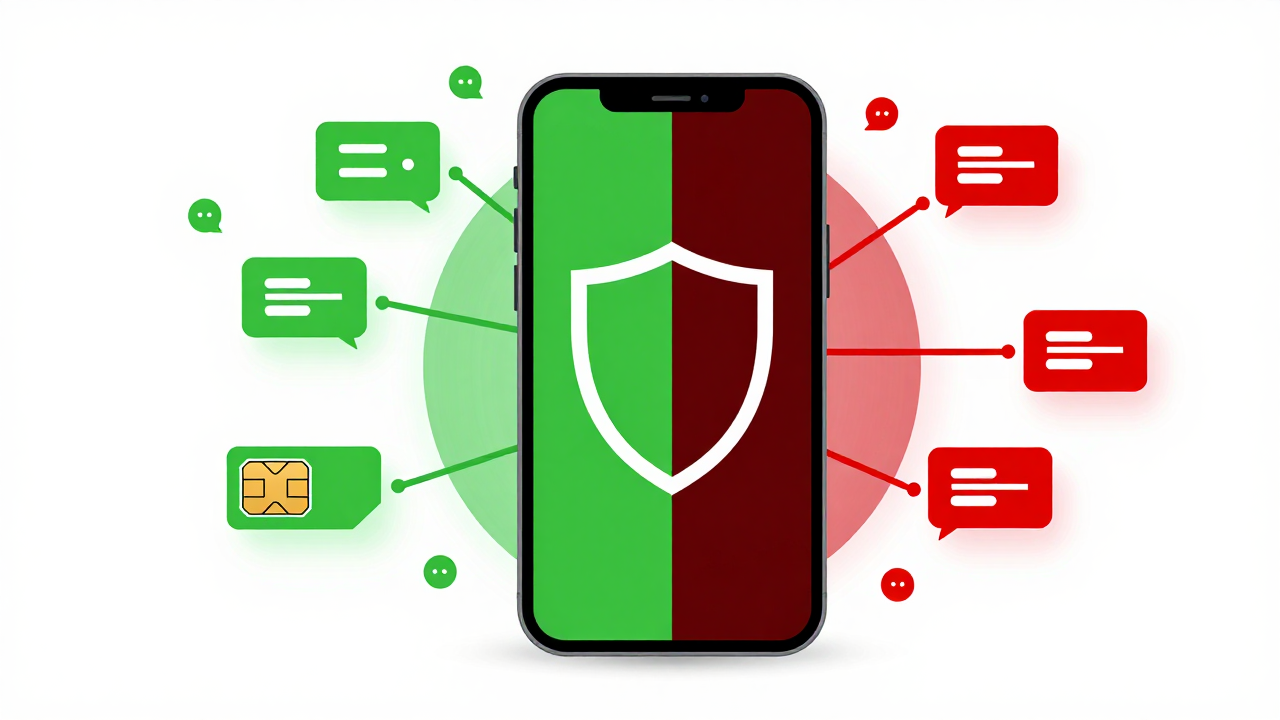
The rational approach most operators follow: use verification platforms for non-core account verification—social media matrices, marketing tool sign-ups—while keeping core business accounts on real phone numbers or enterprise verification. This balances cost control with risk management.
On the technical side, reliable cat pool SMS verification platforms implement number isolation, ensuring the same number is never assigned to two users simultaneously. But some smaller platforms resell numbers repeatedly to chase profit. Using those platforms is like opening a mystery box—pure luck.
Price Isn't Everything: Calculate Your Real Total Cost
People always lead with "how much per code?" Honestly, that answer tells you almost nothing. Physical SIM verification and virtual number verification can differ by several times in price, and numbers from different countries vary wildly. A US physical SIM code might run you over a dollar, while some smaller countries' numbers cost as little as twenty cents.
What actually matters is the total cost: verification fees + account ban losses + time invested. If eight out of ten accounts you register get banned, the two survivors just got extremely expensive. My advice? Start with a small deposit, test the verification speed and success rate, then decide whether to commit long-term.
Take Getfollow as an example—they maintain transparent pricing with physical SIMs and virtual numbers listed separately, so you can adapt to your business type. That transparency means you know exactly what resource you're paying for, rather than being lured in by a vague low price and getting inconsistent number quality.
Here's the bottom line: choosing a cat pool SMS verification platform comes down to matching your specific business needs. If you're just grabbing the occasional verification code, almost any platform works. But if your operation depends heavily on account management, it's worth the time to find a service provider with stable number resources and dependable support. When accounts get banned, you're losing far more than a few cents in verification fees.
Hopefully this saves you some trial and error. If you're currently shopping for a cat pool SMS verification platform, run your options through the criteria above—test with a small batch first, then scale up once you've confirmed it works.
Cat Pool SMS Verification Platform FAQ
What is a cat pool SMS verification platform?
A cat pool SMS verification platform uses a centralized pool of SIM cards (often connected via cat pool hardware) to receive SMS verification codes on your behalf. You request a number, the platform receives the code, and forwards it to you—enabling bulk account registration without needing hundreds of physical phones.
Are cat pool SMS verification platforms legal?
The platforms themselves operate in a legal gray area—they're not inherently illegal, but their legitimacy depends on how they're used. Using them for fraud, spam, or evading platform policies can create legal and compliance issues for you. Always assess your own use case and stick to legitimate business verification needs.
How much does cat pool SMS verification cost?
Pricing varies dramatically by number type and country. Virtual numbers can cost as little as a few cents per code, while physical SIM numbers from countries like the US or UK typically run from $0.10 to $1.50 or more. Always factor in success rates and potential account losses when comparing prices.
Why do my accounts keep getting banned after using verification platforms?
Most likely culprits: the platform is using virtual number segments that risk controls flag immediately, or numbers are being reused across multiple users, which marks them as suspicious. Switching to a platform with fresh physical SIM numbers and proper number isolation usually resolves this.