Corn SMS Verification Records: The Account Security Blind Spot You Can't Ignore in 2026 Cross-Border Business
Corn SMS Verification Records: The Account Security Blind Spot You Can't Ignore in 2026 Cross-Border Business
In cross-border e-commerce, your phone number is everything. Registering Amazon, Facebook, or WhatsApp accounts all hinge on SMS verification. This year, the hottest topic in the industry—right after AI-powered product selection—is "corn SMS verification records." Most people hear the term and assume it's some kind of cutting-edge tech. In reality, it sits at the heart of a high-stakes tug-of-war between account security and platform risk control systems.
From my experience observing this space, the 2026 cross-border landscape looks nothing like it did even a few years ago. Platform algorithms have gotten significantly smarter. The old playbook of grabbing any number from a verification platform, registering an account, and running your funnel simply doesn't work anymore. In this article, I'm not going to drown you in abstract theory. Instead, I'll walk you through the real state of the industry and show you exactly how to sidestep the landmines.
What Are Corn SMS Verification Records? Breaking Down the Concept
Put simply, "corn verification" is industry slang for a specific type of online SMS reception service. It lets users rent a temporary phone number through a web interface or API to receive registration verification codes. The "SMS records" part refers to the trail of verification codes those numbers have received—and what the platform retains about that history.
Cross-border operators are reporting that this service model has shifted significantly in 2026. In the past, people used verification services because they were cheap and fast. Today, the pain point has moved squarely to those "records." Platform risk control systems trace your registration environment. If your number comes from a shared pool—one with a messy history of repeated registrations—your fresh account stands a very good chance of getting banned within hours.
Industry consensus is that verification services have now split into two distinct camps. The first is the "pure tool" approach: you get a number, and nobody cares what happens next. The second is the "environment-aware" approach, which emphasizes number cleanliness and how the history ties into your overall account health. Unsurprisingly, the second model aligns far better with how modern platform risk control actually works.
Why SMS Records Have Become a Make-or-Break Issue in 2026
Here's a pattern I see constantly. Small studios and solo operators registering TikTok or Instagram accounts will use a verification platform to receive codes. But after registration succeeds, they skip a critical step—checking that number's historical SMS record.
Let me share a real cautionary tale. A colleague of mine was doing dropshipping traffic in early 2026. To mass-register WhatsApp accounts, he took the cheap route with a budget verification platform. He registered 50 accounts. Within three days, 48 were banned. After weeks of troubleshooting, he finally traced the problem back to the number range that platform was handing out. Those numbers had been heavily used for spam blasts in the past, and their SMS records were littered with red flags. Platform risk control flagged them instantly.
The logic here isn't complicated. In 2026, mainstream social platforms have upgraded to what's called "behavior chain tracking." They don't just look at your IP and device at registration. They also run a reverse lookup on the phone number's SMS history—how frequently it receives verification codes, what types of apps it's registered with, whether it's been reported before. If your number comes from a shared pool, your account is tagged as "low trust" from the moment it's created.
So stop asking why your accounts never survive past day three. Go check the SMS record of the number you used. That's the first line of defense most people overlook.
A Practical Guide to Choosing a Reliable Verification Service
Given how serious this has become, how do you choose wisely in 2026? I'm not going to make any "strong recommendations" here. Instead, I'll give you the criteria that have held up under real-world testing. Use these benchmarks to evaluate any provider.
First, look at number pool isolation. This is the single most important metric. Reputable providers clearly distinguish between "public pools" and "dedicated pools." Public pools are cheaper, but the numbers get reused constantly and the SMS records are a mess. Dedicated pools cost more, but the number serves only you, keeping the history clean. For cross-border teams doing long-term account nurturing, dedicated pools are non-negotiable.
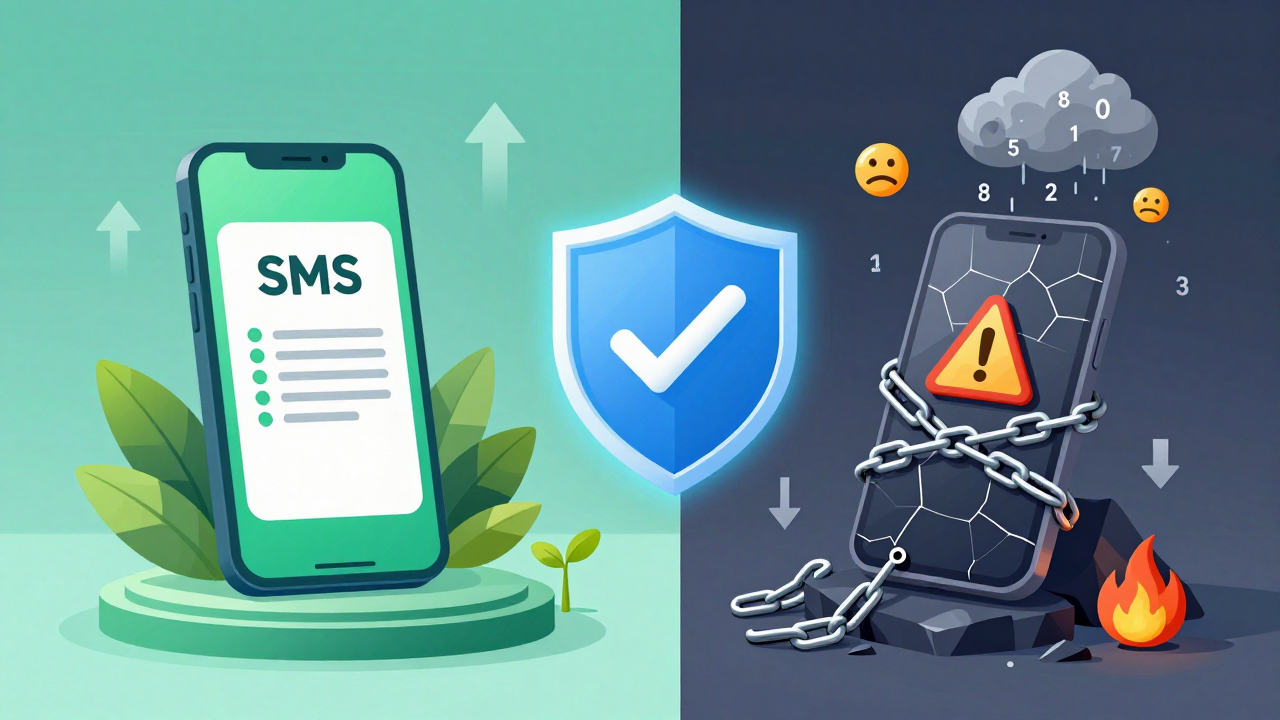
Second, check whether they offer an "SMS record lookup" feature. This is a detail most people overlook. By 2026, leading providers already let you view a number's reception history directly in the dashboard. If a platform doesn't even offer this, it means they have no real quality control over their numbers. Walk away.
Third, evaluate their risk control response speed. What's the worst thing that can happen with a verification platform? You get a number flagged by platform risk control, and the provider does nothing about it. In my testing, platforms like Getfollow have built their reputation on exactly this compliance-first logic—they don't just hand out numbers, they actively purge flagged number ranges, refresh their pools, and keep SMS records in a healthy state. I've tested them myself; their number survival rates are noticeably higher than average.
One warning: don't shop on price alone. In 2026, a clean dedicated number can cost three to five times more than a public one. But your account survival rate jumps by over 80%. Do the math—it works out in your favor.
Risk Checklist: These Pitfalls Still Exist in 2026
Even with the right provider, certain risks are simply part of the landscape. Here's a checklist to run through.
- Banned account contagion: Registering too many accounts from the same IP triggers device-level risk control, even with clean numbers. Pair your setup with an anti-detect browser.
- SMS delay risk: Some platforms experience verification code delays during peak hours, especially with international numbers. If your business depends on speed, pick a provider with an SLA guarantee.
- Retention rate trap: Industry-wide retention sits between 50% and 70% in 2026—but that's an average. For social platforms, your behavior in the first seven days determines whether you enter the recommendation pool. The number is just step one; content strategy is what actually matters.
- Compliance boundaries: Verification services operate in a gray area. Using them for malicious registration, mass account farming, or spam marketing puts you squarely in the crosshairs of platform enforcement. Stick to legitimate business expansion and account backup.
Cross-border operators are reporting unprecedented crackdowns on "abnormal registrations" in 2026. If your main account gets linked to a verification-registered sub-account, the main account can get caught in the blast radius. Keep verification accounts physically separated from your core assets.
Final Thoughts: Test Small First, Then Scale
After all that, here's the most responsible advice I can give. No matter which provider you're considering, no matter how good their marketing sounds—run a small test first. Spend a few dozen dollars, buy five to ten numbers, register your target platforms, and observe survival rates and account status over seven days. The data doesn't lie.
The 2026 cross-border game isn't about who moves fastest. It's about who lasts longest. Corn SMS verification records—this seemingly minor detail—often determines how far your account matrix can go. I hope this guide helps you avoid a few landmines and put your energy where it actually creates value.
Frequently Asked Questions
What exactly are corn SMS verification records?
Corn SMS verification records refer to the historical log of verification codes received by a temporary phone number provided through an online SMS reception service. Platform risk control systems use these records to assess whether a number has been used for spam, mass registrations, or other suspicious activity—which directly impacts the trust score of any new account registered with that number.
Why do my accounts keep getting banned after using a verification service?
In most cases, the problem isn't your device or IP—it's the number itself. If the number comes from a shared pool with a dirty SMS history (frequent registrations, spam flags, or abuse reports), platform risk control will tag your account as low-trust from the start. Always check the number's SMS record before registering, and consider using dedicated numbers for high-value accounts.
How do I check if a verification number has a clean SMS record?
Look for providers that offer an SMS record lookup feature in their dashboard. This lets you review the number's reception history before you commit. If your provider doesn't offer this, it's a red flag that they don't control number quality. Leading platforms like Getfollow include this as a standard feature.
Is using SMS verification services legal for cross-border business?
Verification services operate in a regulatory gray area. Using them for legitimate purposes—like account backup, business expansion, or testing—is generally tolerated. However, using them for malicious registration, mass account farming, or spam campaigns violates platform terms and can lead to permanent bans, including on your primary accounts. Keep verification accounts isolated from your core business assets.