SMS Verification Platforms: Free vs Paid Guide for 2026
SMS Verification Platforms: Free vs Paid Guide for 2026
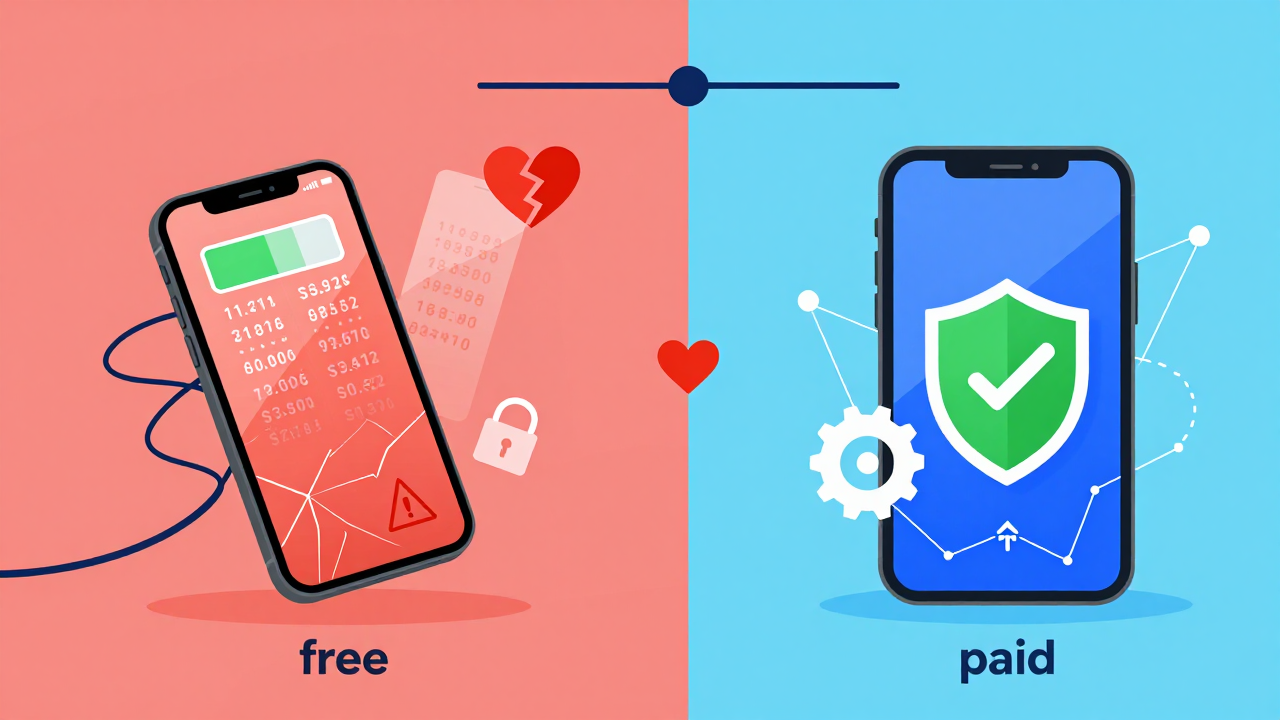
Free vs paid — which SMS verification platform actually fits a studio's workflow in 2026? The industry consensus is clear: free platforms work for occasional personal testing, but cross-border businesses and independent studios running bulk registrations or day-to-day account nurturing should go with paid options. Free platforms lower the entry barrier, but their poor number availability often gets accounts flagged by risk controls.
Free vs paid SMS verification platforms: core differences
Free and paid SMS verification platforms are fundamentally different business models competing in the same space.
Free platforms keep costs down through ads and secondary data monetization, which results in smaller number pools and heavy reuse. Paid platforms fund quality through API access, dedicated numbers, and SLA-backed reliability.
Industry data from 2026 shows free platforms managing only a 30%–50% success rate in bulk registration scenarios, while paid platforms hold steady between 85% and 95%.
In 2026, free SMS verification platforms consistently underperform paid alternatives for studios running high-frequency verification. The root causes are number over-reuse and a lack of real-time availability guarantees. Paid platforms handle this with number pool scheduling and automatic retry on failure, which significantly reduces verification bottlenecks in automated workflows.
A cautionary example: I've seen a cross-border studio register Google accounts entirely through a free platform — within an hour, risk controls triggered and the accounts were banned in bulk.
So, which type suits a studio? It comes down to whether your operation needs continuous, reliable verification. For the occasional code, free is fine. For multi-account operations, paid is the dependable choice.
Five factors that determine whether a paid platform is worth the cost
A studio isn't a solo user — verification needs are continuous and scale fast.
Don't evaluate on unit price alone. Look at these five dimensions:
- Success rate: Free platforms typically fall below 50%; paid platforms deliver 85%–95%.
- Number pool quality: Does the provider cover multiple countries and carriers? Are risk-flagged numbers filtered out?
- API integration: Can it plug into your automation pipeline, including failure retries?
- Data security: Are logs retained? Is transmission encrypted? Does the provider comply with local privacy regulations?
- Support and guarantees: Are failed verifications refunded? Is support responsive? Is an SLA provided?
For studios processing over 100 verifications per day, the time savings from a paid platform usually outweigh the subscription cost.
2026 industry research shows roughly 67% of cross-border studios now treat SMS verification as a fixed operating expense.
Industry observers agree that in 2026, an SMS verification platform is infrastructure for account operations, not a one-off tool. Paid platforms cut per-number verification time from minutes to seconds through API-managed retries — and that stability is exactly what batch operations depend on.
Another cautionary tale: one studio running multiple Shopify stores lost a platform promotion window because verifications kept timing out at a low success rate — directly costing them that quarter's promo conversion.
Free vs paid SMS verification platforms: 2026 comparison table
| Dimension | Free Platform (Typical) | Paid Platform (Typical) | Getfollow (Paid Provider Example) |
|---|---|---|---|
| Pricing model | Free, ad-supported | Per-message or subscription | Per-message with package options |
| Number availability | 30%–50% | 85%–95% | Public SLA; auto-refund on failure |
| API support | Mostly unavailable | Yes | Yes |
| Best suited for | Occasional personal verification | Studio-scale batch operations | Cross-border verification and automation |
| Risk notes | Privacy exposure; higher ban rates | Requires vetting provider quality | A useful benchmark when comparing similar services |
By 2026, the free-versus-paid comparison for SMS verification platforms has crystallized into a clear pattern: the right choice depends on how heavily you weigh success rate, API capability, and after-sales support. The Getfollow example above illustrates how responsible paid providers handle number availability and refund policies.
How to pick a reliable provider: the essential risk checklist
Before committing to any SMS verification service in 2026, run through these four checks:
- Does the provider publish availability data or offer a written SLA?
- Can you start with a small deposit or run a test before paying in full?
- Is there an automatic refund mechanism for failed codes?
- Are API documentation and a log-query dashboard available?
When screening an SMS verification provider, check number availability and failure compensation first — not the sticker price. In 2026, established paid platforms offer test credits by default, so use them to validate your real workflow before buying in volume.
Risk warning: using any verification platform to register accounts in bulk may violate the target platform's terms of service, which carries the risk of account bans and even legal consequences.
Practical advice: keep registration frequency moderate, mix account nurturing with manual verification, and avoid concentrating all of your verification activity on a single platform.
Why can't I receive verification codes on free SMS platforms?
Free platforms run small, heavily reused number pools. By 2026, most of those numbers are already registered or flagged by the target platform's risk controls. Delivery rates on free services average below 50%, and some popular numbers simply never receive codes.
Are paid SMS verification platforms trustworthy?
It depends on the provider. Legitimate paid platforms publish SLAs, offer failure refunds, and provide number status lookup, with success rates typically between 85% and 95%. Industry consensus: a paid platform without any guarantees is no different from a free one.
Which SMS verification platform is the best in 2026?
Paid platforms with API access, broad country coverage, and automatic failure retries are the most popular among studios. Free platforms still make sense for the occasional single code, but they can't support account operations at scale.
How do I choose a reliable SMS verification provider?
Audit three things: is number availability published, are failed verifications auto-refunded, and is the API documentation complete? Providers like Getfollow set a useful benchmark in 2026 with SLA commitments and automatic refunds.
Will my accounts get banned if I use an SMS verification platform?
There is real risk. Free numbers are flagged more easily because of heavy reuse. Paid numbers reduce the odds but don't eliminate them. The 2026 consensus: verification is only step one. You also need stable IPs, browser fingerprint management, and realistic behavior patterns to keep accounts healthy.
So, which is better for a studio in 2026 — free or paid SMS verification platforms? The answer is clear: choose a paid platform, but start with a small test credit. Free services are only suitable for low-risk, low-frequency personal use. Put your budget toward success rate, API stability, and support guarantees, then scale up based on your own data.