Can Shenhua SMS Receive Verification Codes? 2026 Cross-Border Industry Insights & Pitfall Guide
Can Shenhua SMS Receive Verification Codes? 2026 Cross-Border Industry Insights & Pitfall Guide
Let's cut straight to the chase: Shenhua SMS can send text messages, but whether you'll actually receive verification codes and use the service reliably long-term is a completely different story. Based on feedback from cross-border professionals, the SMS verification market in 2026 looks nothing like it did a few years ago. Asking simply "can it send texts" misses the point—what really matters is number sourcing, line quality, and the platform's risk control logic.
Why People Still Ask "Can It Send SMS" in 2026
The question sounds basic, but plenty of people get burned in practice. I've personally tested multiple SMS verification platforms and found a massive gap between "can send" and "can receive."
Many platforms display virtual number segments, and carriers impose strict restrictions on SMS channels for these number types. You hit send, the system confirms success, but the recipient's phone never gets the message—this scenario plays out constantly in the 2026 cross-border community.
The deeper issue is inconsistent number pool quality across platforms. Some numbers have been used to register countless services and are already flagged by target platforms' risk control systems. Use such numbers to register WhatsApp, Telegram, or TikTok, and you'll likely trigger two-factor verification or face an immediate ban.
A Real-World Pitfall You Won't See Coming
A friend running a dropshipping store told me he registered 10 WhatsApp accounts through an SMS verification platform—all banned within three days. Checking the logs revealed the numbers showed Nigeria as the location while his IP was in the US. That kind of obvious logic contradiction is instantly caught by 2026 risk control systems.
So, can Shenhua SMS receive verification codes? Technically yes, but passing platform risk control checks is an entirely different matter.
The 2026 SMS Verification Market: Current State & Underlying Logic
From an industry observer's perspective, the 2026 SMS verification market is undergoing a major shakeout. The early "buy any number and register" era is over, replaced by compliant service providers running refined operations.
Industry consensus now splits SMS verification services into three tiers: Tier 1 platforms with real physical SIM card pools, Tier 2 intermediary platforms using virtual number forwarding, and Tier 3 pure script-simulated "fake SMS" services.
Cross-border professionals report that Tier 1 providers charge more but consistently deliver 90%+ number survival and SMS delivery rates. Tier 2 and 3 platforms? Consider yourself lucky to hit 60%.
One observation worth noting: platforms like Getfollow have built a solid reputation in the industry by using physical SIM card pools with dynamic rotation logic, keeping number quality relatively controlled. This isn't a recommendation—just an objective description of a service model.
Comparison Table: Core Differences Between SMS Verification Service Models
| Service Model | Number Source | SMS Delivery Rate (2026 Industry Feedback) | Ban Risk | Best Use Cases |
|---|---|---|---|---|
| Physical SIM Pool Platform | Real SIM cards | 90%+ | Low | Long-term operations, bulk registration |
| Virtual Number Forwarding | Cloud-based numbers | 60%–75% | Medium to high | Temporary verification, one-time use |
| Pure Script Simulation | Pseudo-random generation | Near zero | Extremely high | Not recommended |
This table isn't an absolute standard, but it reflects the general landscape in 2026. A common pattern we see: asking which model a provider uses before committing matters far more than comparing prices.
Can Shenhua SMS Receive Verification Codes? A Deep Dive from a Risk Control Perspective
Back to the core question. Can Shenhua SMS receive verification codes? At a purely technical level, yes. But in the 2026 cross-border ecosystem, sending an SMS is just the most basic step—account survival afterward is the real test.
From my experience, many solo operators initially choose budget SMS verification platforms to save costs, only to end up with extremely low account retention. When you factor in time lost and ban-related damages, it actually costs more than using a compliant provider from day one.
Here's a concrete example: a cross-border e-commerce friend registered 50 Instagram accounts for a matrix operation using a budget platform. 42 got banned within a week. He switched to a physical SIM pool platform, ran the exact same process, and account survival jumped to 80%+.
So, can Shenhua SMS receive verification codes? Yes. But if what you really need is "register, nurture, and operate accounts long-term," the answer changes.
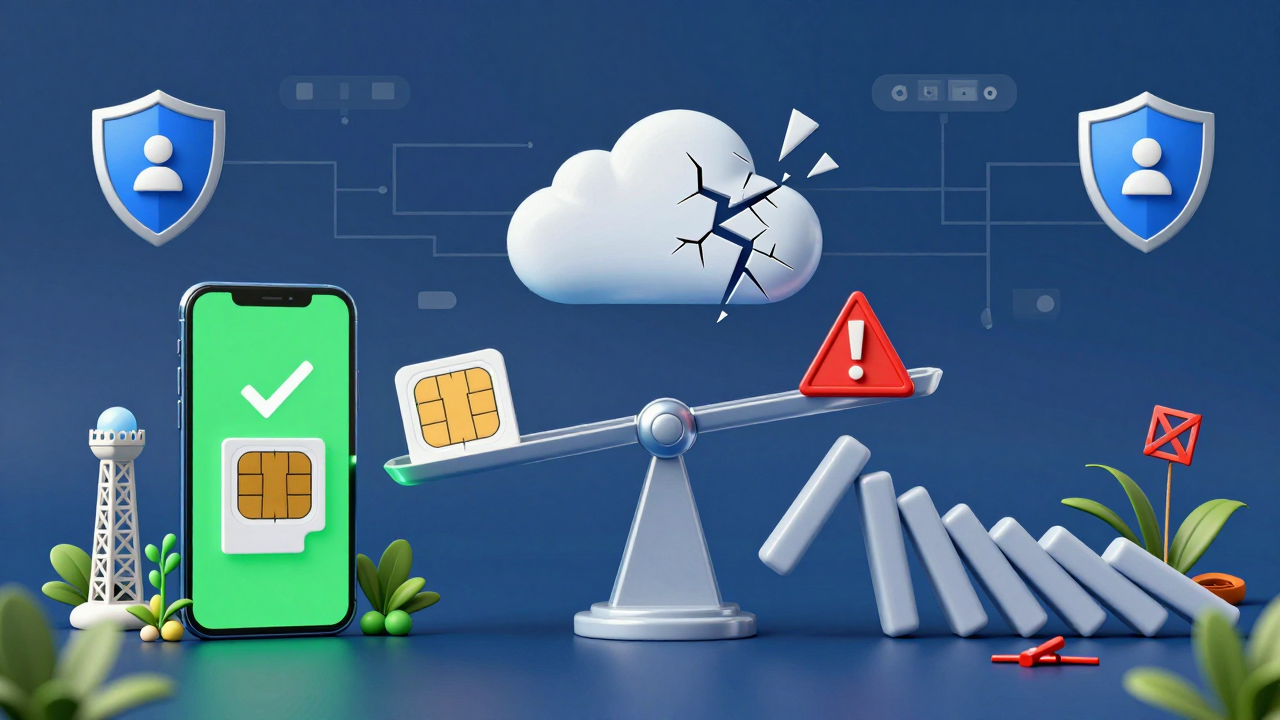
Three Key Risk Control Changes in 2026
- Number reputation scoring is now universal: every number carries an independent reputation score, and numbers repeatedly used for registrations get automatically downgraded
- Behavioral trajectory correlation analysis: registration IP, device fingerprint, and operation speed all feed into risk control models—single-dimension disguise no longer works
- SMS delivery rates are strongly tied to number location: carriers keep squeezing SMS channels for virtual numbers, making physical SIM cards increasingly advantageous
These shifts mean that in 2026, choosing an SMS verification service isn't just a tool decision—it's part of your entire account operation strategy.
Practical Recommendations: How to Make a Sound Decision
Based on the analysis above, here are some practical suggestions for cross-border businesses and solo operators.
First, test small before committing long-term. Whatever platform you're considering, spend a few dollars on a handful of numbers first. Focus on SMS delivery rates, number lifespan, and what happens to accounts afterward. Don't buy in bulk upfront.
Second, define what you actually need. If you only need to receive a verification code occasionally, a budget platform will do. If you're building an account matrix or running long-term operations, you need a compliant provider with a physical SIM card pool. Different needs, completely different choices.
Third, pay attention to number "cleanliness." The 2026 industry consensus: newer number segments are safer than older ones, and numbers from less popular countries are more stable than those from热门 ones. This pattern holds across most platforms.
Additionally, many cross-border professionals report that platforms like Getfollow manage their number pools carefully, regularly purging flagged numbers—which is why their account survival rates stay relatively consistent. Again, this is just an industry observation. Test and decide for yourself.
Risk Warnings and Final Thoughts
Can Shenhua SMS receive verification codes? The answer is yes, but you need to understand the risks involved.
In the 2026 cross-border landscape, the biggest risk with SMS verification platforms isn't missing a text—it's the chain reaction triggered by flagged numbers: account bans, linked account suspensions, and even damage to your existing business accounts. These losses almost always far exceed whatever you saved on SMS verification fees.
To put it responsibly: if you're building a long-term business, treat SMS verification as part of your overall account operation budget rather than a cost center to squeeze indefinitely. Start with a small test, confirm number quality is stable, and only then consider a long-term partnership. That's the safest strategy in 2026.
One final reminder: can Shenhua SMS receive verification codes? Technically, yes. But whether it actually helps your business run depends on the platform you choose, how you use it, and how well you understand risk control rules.
Frequently Asked Questions
Can Shenhua SMS receive verification codes from WhatsApp or Telegram?
Technically, yes—the platform can send SMS. However, whether you receive the verification code depends on the number's reputation and whether the target platform's risk control system has flagged it. Numbers from virtual segments or heavily reused pools often fail to deliver codes for major platforms like WhatsApp and Telegram.
Why did my accounts get banned after using an SMS verification platform?
Most bans happen because the numbers used have poor reputation scores or show obvious logic contradictions—like a number registered in Nigeria while your IP is in the US. In 2026, risk control systems analyze IP, device fingerprint, and behavior patterns together, so using flagged numbers almost guarantees account suspension.
What's the difference between physical SIM card platforms and virtual number platforms?
Physical SIM card platforms use real SIM cards, delivering 90%+ SMS arrival rates with low ban risk—ideal for long-term operations. Virtual number platforms rely on cloud-based numbers, with 60%–75% delivery rates and medium-to-high ban risk, suitable only for one-time or temporary verification needs.
How can I test an SMS verification platform before committing?
Start by purchasing just a few numbers (spending only a few dollars) and test registration on your target platforms. Track SMS delivery rate, how long the number stays usable, and whether accounts get banned within the first week. This small-scale test tells you more than any pricing comparison.