SMS Verification for Cross-Border E-Commerce in 2026
SMS Verification for Cross-Border E-Commerce in 2026
In 2026, more and more small and medium-sized businesses are finding success with SMS verification for cross-border e-commerce. But teams that actually keep operations running past the three-month mark share a hard-won lesson: verification is not about grabbing any number that receives a text. It is about building a reliable, reusable verification pathway for every account. A growing number of cross-border sellers tell us that platform risk controls have become noticeably stricter about number quality this year. The old strategy of chasing the cheapest SMS rate is falling apart fast.
Why SMS Verification for Cross-Border E-Commerce Success Stories Often Start with a Ban
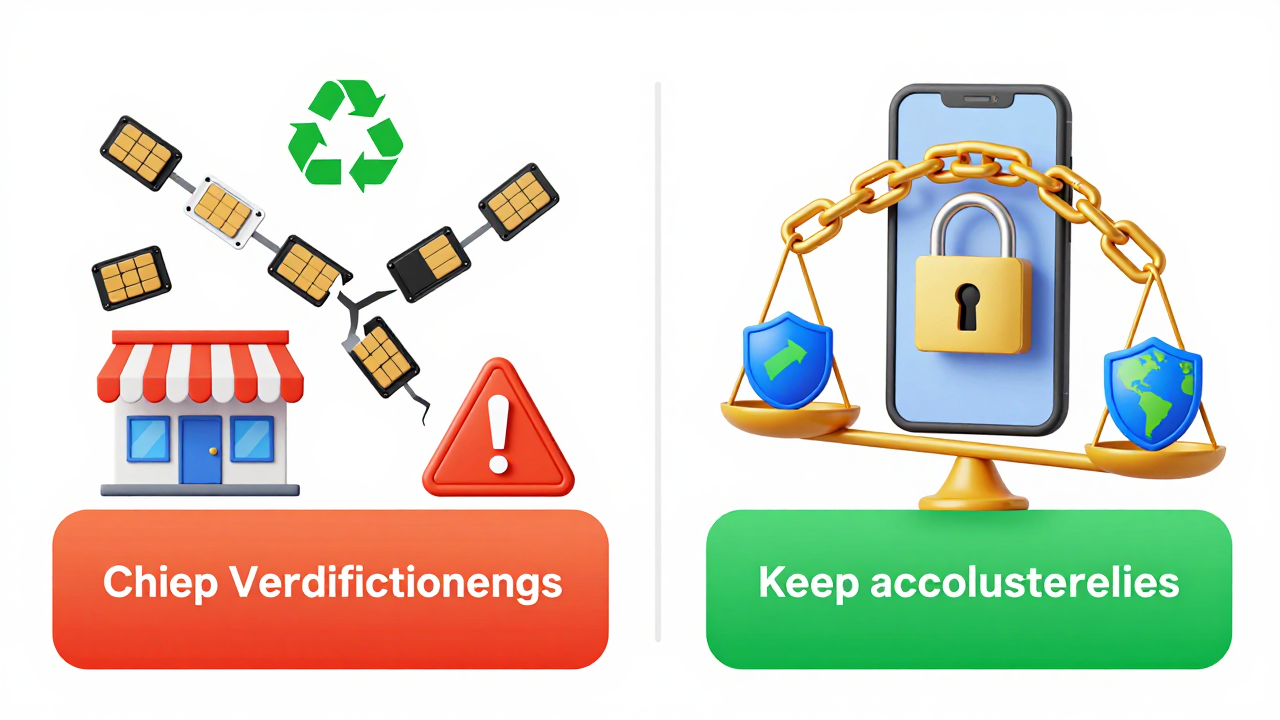
From my experience, a very typical trajectory goes like this. A small team wants to register overseas local shops or social accounts quickly, so they pick the cheapest verification platform they can find. Registration works fine at first, and the code arrives. But two weeks later, when the platform demands secondary verification, password recovery, or number migration, they find the number has already been recycled. Or worse, the platform has already flagged it as high risk. These cases come up especially often in Southeast Asian and Latin American markets.
Here is why. In 2026, mainstream platforms no longer rely on single-point login verification. They factor in number prefix, geographic registration, account age, and device-change frequency as part of their risk association models. A number that has been resold multiple times might pass initial registration, but the risk system eventually traces it back. That is when many teams first understand what verification quality actually means, usually after a batch of accounts gets restricted.
Verification Is Not Buying Numbers: Number Retention Changes Everything
There is a saying in the industry: low-quality numbers get you through registration. High-quality numbers keep your accounts alive. In 2026, that gap has widened even further. If your business depends on running TikTok Shop, WhatsApp Business, Lazada local stores, or Google Ads accounts long term, then renewability, exclusivity, and backup verification channels matter far more than whether the number received one SMS at signup.
| Factor | Cheap Number Pool | Long-Term Dedicated Number |
|---|---|---|
| Renewal window | One-time use only | 30–90+ days, renewable |
| Exclusivity | Shared and resold | Dedicated to one account |
| Secondary verification | Number already gone | Original number or backup channel available |
| Risk-flag frequency | High, repeated cross-account use | Low, consistent usage pattern |
Here is a real cautionary case. A team running a Philippine local store wanted to cut costs, so they registered six shops through a cheap number pool. Everything worked for the first two weeks. Then in week three, the platform required a phone-verified login. That was when they discovered the numbers had already been recycled, and support could not restore the originals. All six stores triggered abnormal login risk flags. The team switched to compliant numbers they could hold for at least 90 days, bound each store to its own dedicated number, and gradually rebuilt account standing.
The lesson here is not "never cut costs." It is that verification should be managed as part of your account asset strategy. The SMS fee you save may be far less than the time and inventory losses from one store getting restricted.
What Compliant Providers Get Right in SMS Verification for Cross-Border E-Commerce
In 2026, providers are stratifying too. From what I have seen, platforms like Getfollow now clearly label number origin, intended use cases, and renewal windows. They also separate one-time codes from long-term numbers. This is not marketing fluff. It is designed to help users avoid risk-flag associations. A common pattern we see is that teams willing to spend slightly more on verification end up with noticeably better account retention.
That said, a compliant provider alone will not solve everything. Platform risk control is multidimensional. Device environment, IP, behavior frequency, and payment methods all matter just as much. Industry observers note that 2026 account retention rates generally fall between 50% and 70%. Teams that beat this range are not perfecting a single element. They manage verification, network environment, and account behavior as one integrated system.
A Pre-Purchase Checklist for Small Teams in 2026
People often ask whether a verification provider can guarantee zero bans. The honest answer is no. In 2026, no compliant provider will make that promise, and any that do should raise red flags. Based on my observations and feedback from cross-border sellers, here are the questions worth asking before you commit.
- Is the number exclusive to you, or will it be resold to other users?
- Does it support renewal for at least 30–90 days, rather than one-time use?
- If the platform triggers secondary verification, can the provider restore the original number or offer a backup channel?
- Does the number prefix match your target market, and is it frequently flagged by platform risk systems?
- Is there a clear warning before a number gets recycled, or does it just disappear?
Run through these questions and you will weed out most unsuitable providers. The first and third points matter especially. Many cheap platforms will not volunteer that information, but when things go wrong, it is your store or ad account that pays the price.
Can an SMS verification provider guarantee zero account bans?
No. In 2026, no compliant provider will promise zero bans, because platform risk control also evaluates device environment, IP, operation frequency, and payment methods. Any provider that guarantees no bans should be treated with caution.
How long should I keep a verification number for cross-border platforms?
For accounts you plan to operate long term, look for numbers you can hold for at least 30 to 90 days. One-time numbers are fine for quick registration only, but they leave you exposed when the platform asks for secondary verification or password recovery.
What happens when a verification number gets recycled?
Once a number is recycled, you lose access to the original SMS channel. If the platform then triggers a login check or security review, you may be locked out. In many cases, support cannot restore a number that has already been reassigned.
How many verification numbers should I test before buying in bulk?
Start with two to three numbers in one or two target markets and monitor them for at least two weeks. Watch for secondary verification triggers, sudden number loss, and device risk flags. If everything stays stable, you can expand gradually to your core accounts.
Final Word: Test Small Before Committing Long Term
Back to where we started. SMS verification for cross-border e-commerce success stories in 2026 come down to one thing: not who has the lowest SMS rate, but who treats number retention and account stability as the top priority. In this year's cross-border environment, seeing an entire store restricted because a single verification code failed to arrive is all too common. The teams that pull ahead are the ones willing to invest time in small-scale testing first.
My advice is simple. Do not batch-purchase upfront. Pick one or two target markets, run two or three numbers for a full two weeks, and watch for secondary verification triggers, number loss, or device risk flags. If things stay stable, scale gradually to your core stores. This approach keeps risk under control and gives you a clear read on a provider's real retention capability. Cross-border business has never been about who moves fastest. It is about who stays at the table when the risk rules change.