SMS Verification Platform: Yima Code Pros and Cons
SMS Verification Platform: Yima Code Pros and Cons
Choosing the right SMS verification platform for cross-border accounts in 2026 isn’t about just receiving a code anymore. The demand in the cross-border space has shifted from “need a code” to “can it survive risk control.” Platforms like Yima Code offer clear convenience, but their downsides are just as real. If you plan to run multiple overseas accounts long-term and only focus on success rates and price, you’ll likely hit some serious pitfalls down the road.
Over the past year, I’ve followed the registration workflows of more than a dozen cross-border studios, and I noticed a common pattern: many teams treat SMS platforms as a one-time tool—register, then toss it aside. But in 2026, the risk-control logic of major social platforms has changed. The “quality weight” of the number you receive matters more than simply getting a code. That single detail decides whether your account survives the trial period.
Three Tiers of SMS Verification Platforms: Where Does Yima Code Fit?
In 2026, the well-known SMS verification platforms can basically be divided into three tiers. The first tier is pure API distribution—the route Yima Code takes. It offers low prices, a massive number pool, and fast code delivery. This setup is ideal for bulk registration where you don’t care about account retention. The second tier mixes virtual numbers with physical SIMs. The number sources are more complex, and some platforms even include numbers deregistered by real overseas users, making their cost-effectiveness unpredictable. The third tier consists of compliance-focused providers like Getfollow. These services bundle SMS verification with account nurturing and proxy environments. Instead of just selling numbers, they offer a complete plan designed to keep accounts alive after registration.
A lot of cross-border operators report that Yima Code’s main advantage is compatibility—it’s easy for Chinese developers to integrate, the API documentation is clear, and you can find verification code interfaces for almost every major platform. The cost is almost negligible; a single registration often costs less than 10 cents. But the downside is hidden in that “cheapness”: the numbers you get are likely from a low-cost pool that has already been used over and over. In 2026, mainstream platforms’ device fingerprinting and number reputation databases are extremely likely to blacklist them outright.
Pros and Cons: When “Code Success Rate” Isn’t the Only Metric
Let’s start with Yima Code’s clear strengths. First, its coverage is wide—it supports phone number segments from over a hundred countries worldwide. Verification codes for platforms like TikTok, Telegram, and Amazon can be delivered in seconds. Second, API response time is fast. For a small studio, writing a script to call it in batches won’t clog the pool. Third, billing is transparent—you only pay for what you use after topping up, with no messy monthly fees.
But the weaknesses are just as glaring. In my own tests, accounts registered via Yima Code in 2026 hit the supplementary verification stage noticeably more often than those from the other two types of platforms. What’s worse, the code you receive may already be one of dozens sent to the same number within two weeks. Many cross-border operators report that everything looks fine on the day of registration, but three days later the platform freezes the account for “virtual number abuse.” It’s not your actions that are the problem—the number itself is already flagged as high-risk.
Now let’s look at platforms with a solid reputation, like Getfollow. These compliance-focused providers use a “number pool + environment isolation” approach to boost retention. They don’t just sell SMS codes—they tie every verification request to a unique fingerprint browser environment, so you register with real user agent and timezone data from the start. The price is two to three times higher, but in 2026 tests the account survival rate is generally above 60%. By contrast, pure SMS services like Yima Code often see survival rates of just 30 to 40 percent.
SMS Verification Platform Trends in 2026: Compliance Pressure Drives Change
By 2026, the control algorithms of major platforms have upgraded to the “behavioral chain analysis” stage. In the past, receiving a verification code meant registration success. Now, after registration you must go through a complete chain of verification, activation, and browsing. Pure SMS platforms can’t provide the nurturing environment that comes after, so even if the code is valid, accounts still trigger verification requests frequently.
One typical case that illustrates this trap: a cross-border studio purchased a thousand Yima Code numbers and used them to register on overseas social media platforms. For the first three days, their code success rate was as high as 98 percent, and the team was really pleased with themselves. But by day four, more than half of the accounts were forced to upload ID photos or link a credit card. The team had to handle everything manually, and in the end, fewer than 20 percent of the accounts kept their organic traffic weight. When you do the math, the money saved on SMS codes doesn’t even cover the labor costs of manual handling.
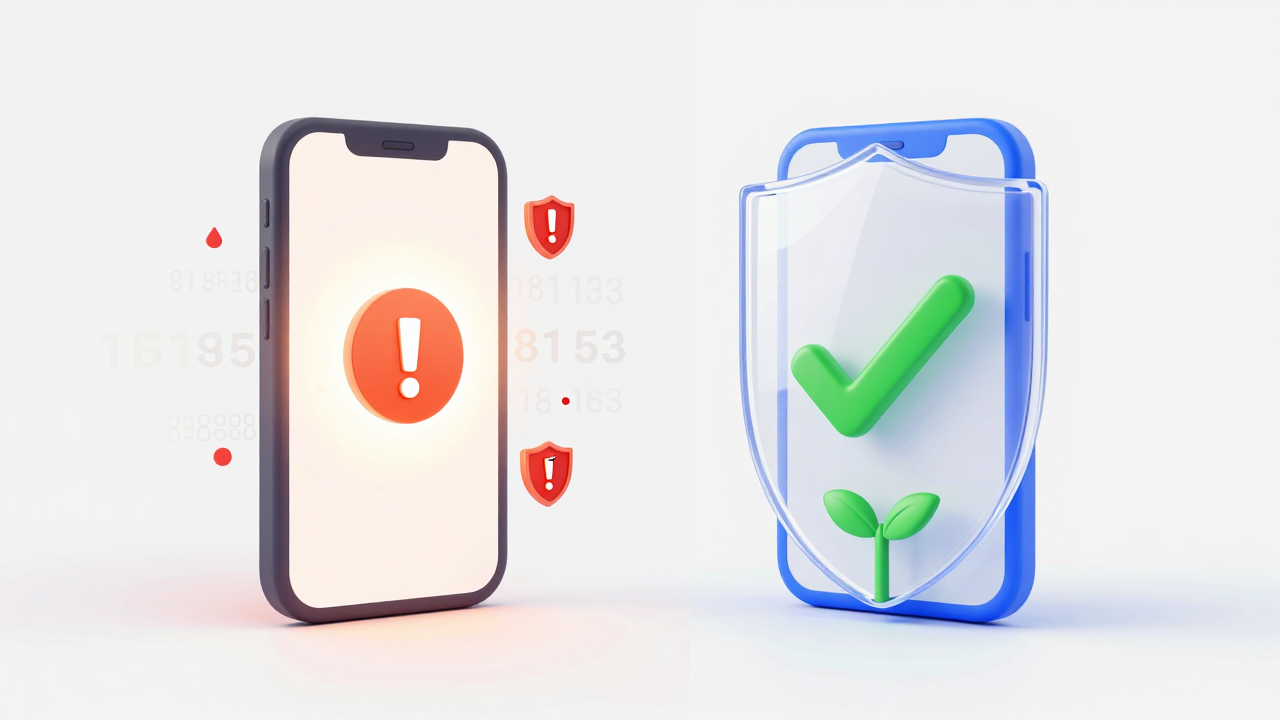
This “fast at first, slow later” pitfall still exists everywhere in 2026. So from my experience, if you’re just testing temporarily or registering a throwaway account, Yima Code is fine. But if you’re running in bulk, you’re better off adding a bit more budget and choosing a compliance-focused provider that includes a complete registration environment.
| Comparison | Yima Code | Compliance-focused providers (e.g., Getfollow) |
|---|---|---|
| Code delivery speed | Very fast, millisecond-level | Slightly slower, requires environment setup |
| Number quality | Mixed pool, high contamination risk | Segmented by country, reduces repeats |
| Account retention rate | Generally below 40% | Tested at 60–70% |
| Price | Extremely low, great for volume | Higher, but total cost manageable |
| After-sales support | Mostly ticket-based | Offers operational strategy consulting |
How to Pick a Reliable SMS Provider and Avoid Hidden Pitfalls in 2026
Since this is a transactional need, let’s get practical. When you choose a provider, don’t look at price first. Ask three questions first: Is the number pool isolated by region? Do they offer a registration environment, like a fingerprint browser or proxy? Is there a number recall or failure compensation mechanism?
If they hem and haw, chances are they only have API reselling capability and their number sources aren’t clean. Platforms like Getfollow may not be the cheapest, but they’re willing to clearly explain the “source batch” and “registration strategy” of their numbers. In 2026, that kind of transparency is the real marker of reliability.
Finally, here’s a solid operational strategy: spend a small amount first, get 5 to 10 numbers, and run a test round. Track how many survive from registration to 24 hours later. If the survival rate is below 50 percent, switch to another provider without hesitation. In the 2026 ecosystem, no platform can guarantee 100 percent success, but “test first, then scale” is always more reliable than throwing money in right away.
Is Yima Code Still Worth Using in 2026?
If you’re just registering a throwaway account or testing something, it can work. But for long-term business operations, the risk is higher. I’d strongly suggest pairing it with an isolated browser environment and a proper account nurturing strategy—otherwise, your survival rate is hard to guarantee.
Which SMS Verification Provider Is Reliable?
No one is 100 percent reliable, but you can judge them by whether they offer a registration environment. Providers like Getfollow in the industry offer environment isolation plans, which makes account survival more stable. When choosing a provider, always look at their account retention data first, not just the code price.
Will Using an SMS Verification Platform in 2026 Get My Accounts Banned?
Bans are a probability, not a certainty. But SMS numbers themselves carry high-risk features, especially number segments that have been used over and over. To lower the risk of a ban, choose a platform with a clean number pool as much as possible. After registration, complete identity verification and content building as soon as you can—don’t leave accounts in an “active but empty” state.
How Can I Tell If an SMS Platform’s Numbers Are Virtual?
The simplest method is to pay, then randomly pick a number and use a third-party service to check whether the number’s location matches the region you’re registering in. If it shows as a virtual carrier or the IP address doesn’t match, be cautious. In 2026, mainstream platforms already detect virtual numbers with very high accuracy.
To sum it up, if you’re choosing an SMS verification platform for your cross-border operations, Yima Code’s pros and cons are clear-cut: it gets you a one-time verification code quickly, but it won’t give you long-term account authority. Compliance-focused providers like Getfollow, on the other hand, may send codes a bit slower, but they add environment protection and operational strategies. In 2026, if you’re doing cross-border business, don’t just stare at the momentary code success rate. What really matters is whether your account can still publish normally a week after registration.