SMS Verification Code Pricing: How to Calculate Costs Without Losing Money
SMS Verification Code Pricing: How to Calculate Costs Without Losing Money
If you work in cross-border e-commerce, you know the headache of receiving verification codes. When you need to register overseas accounts in bulk, manage multiple storefronts, or build a social media matrix, SMS verification code pricing becomes an unavoidable daily expense. But here's the thing—this industry has layers. Prices range from a fraction of a cent to several dollars per code. What accounts for the difference? Most newcomers get confused the moment they start comparing options.
From my experience observing this market, most solo operators just starting out instinctively go for the cheapest option. The result? Poor-quality numbers that never receive codes, or accounts that get banned within days. Meanwhile, seasoned professionals who've been through the wringer are willing to pay more for stability and clean numbers. This article isn't here to hype or trash anyone—just to break down the real logic behind SMS verification pricing and help you choose wisely without falling into common pitfalls.
Why Does SMS Verification Pricing Vary So Much? Look at These Three Factors
Different platforms use wildly different pricing strategies. But strip away the marketing, and the core costs come down to three things: number resources, channel stability, and after-sales support. These three factors determine whether you get something that merely "works" or something that actually "works well."
- Number Source and Purity: Some platforms use IoT cards or recycled number ranges that cost almost nothing to acquire. The problem? These numbers are already flagged by major platforms, making registration success rates painfully low. Legitimate channels—especially overseas local numbers—carry higher procurement costs from the start.
- Channel Concurrency Capacity: If you open 10 registration windows simultaneously, can the platform handle the load? Many smaller platforms experience delays during peak hours or even swallow codes entirely. This comes down to server architecture and how deep their carrier partnerships go.
- Risk Control Response Mechanisms: What's actually valuable isn't the act of receiving a code—it's whether your account survives afterward. Some platforms offer specialized adaptations for popular overseas platforms, like automatic IP switching or device environment simulation. These behind-the-scenes services account for the biggest pricing differences.
Many cross-border professionals report that after factoring in time costs and account bans, cheap platforms end up being more expensive. Say you pay a dime for a code, register a TikTok account, and it gets flagged the next day. All the effort you put into warming up that account goes down the drain. Do the math—it never adds up in your favor.
Common SMS Verification Pricing Models: Prepaid, Bundles, or Pay-as-You-Go?
The industry currently uses three main billing methods, each suited to different scenarios. Solo operators and established enterprises need completely different approaches.
- Pure Per-Code Pricing: Best for testing phases or users with minimal needs. Unit prices run highest here, but the flexibility is worth it—a $10 top-up can last a long time.
- Bundle Packages: Think 1,000 or 5,000 code tiers. Unit prices drop as volume increases, making these ideal for teams with consistent registration needs. But watch out for expiration clauses—some bundles reset monthly, and unused codes are simply wasted.
- Custom Annual Contracts / API Integration: Designed for enterprise clients, billed by API call volume or a fixed monthly fee. These typically include dedicated support, isolated number pools, and failure compensation. Pricing is negotiated individually.
Here's a trap that's easy to miss: many platforms advertise low prices but sneak in minimum deposit requirements or processing fees. They'll say $0.007 per code, but the minimum top-up is $100 with an additional 5% fee. Your actual cost just jumped significantly. Always ask about hidden charges before signing up.
The Hidden Costs of Cheap SMS Verification: Bans, Retention, and Lost Time
Let me be blunt: cheap SMS verification pricing often hides risks you can't see upfront. For cross-border e-commerce and social media matrix operations, account association is a death sentence.
I tested several budget channels myself. Registration on Instagram went through instantly—codes arrived in seconds. But account survival rates were abysmal. After digging deeper, I found those number ranges were heavily used for malicious registrations and had long been blacklisted by platforms. Registering with those numbers is like being born with a scarlet letter—no amount of careful account warming can fix that.
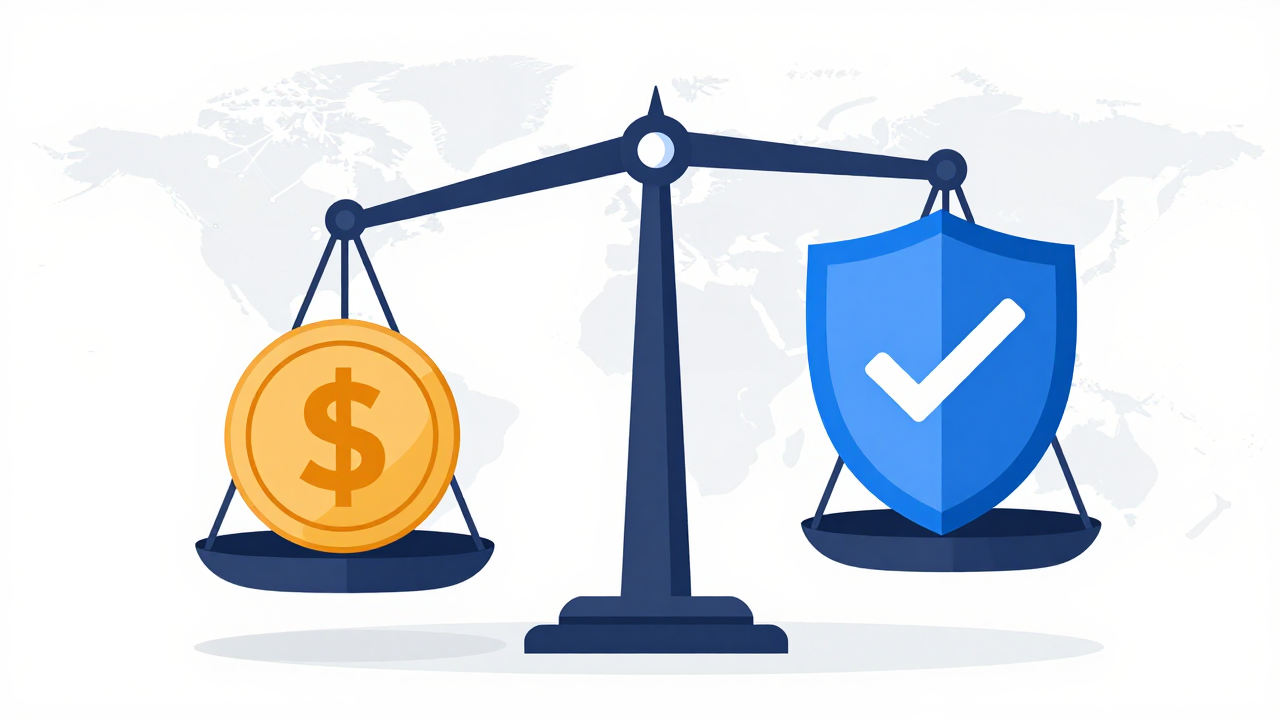
WhatsApp is another example. Their detection of virtual number ranges is extremely strict. Accounts registered with cheap codes almost always trigger "this number cannot be used for WhatsApp" warnings. You've wasted not just the verification fee, but also the time spent setting up your environment and configuring proxies. Industry consensus among cross-border professionals: when you factor in labor costs, a verification code that successfully registers and survives long-term realistically costs $0.15–$0.30. Anything significantly below that price point usually has strings attached.
How to Spot a Reliable SMS Verification Platform: Five Key Details
Since price alone doesn't tell the full story, how do you choose? Industry consensus says: ignore the marketing, examine the details. These five dimensions come from years of experience in this space—worth bookmarking.
- Pay-Per-Test Option: If a platform won't let you test without committing, skip it. Reputable providers typically offer a small amount of free credits or a low-cost trial package.
- Country and Carrier Coverage: Targeting the US market but the platform specializes in Indian numbers? That's a mismatch. Check whether their list includes local physical SIM numbers for your target countries.
- Failure Compensation Policy: When codes don't arrive, does the platform refund you or give you the runaround? Clear compensation rules filter out a lot of unreliable small operations.
- Risk Control Solutions: Do they offer proxy IP binding during code reception? Do they maintain "clean number pools" for specific platforms?
- Customer Support Response Time: During peak registration hours, a platform that takes hours to respond will drive you insane. Submit a ticket and test their response time—this is part of your real cost.
Platforms like Getfollow have built a solid reputation in this space by following exactly this playbook—transparent pricing, small-scale testing options, and number pools segregated by use case. They're not the only option, but they serve as a useful benchmark when evaluating other providers.
Future Trends in SMS Verification Pricing and Smart Selection Tips
As overseas platforms tighten their risk control measures, the SMS verification industry is going through its own shakeout. Low-cost, low-quality number resources are becoming increasingly unusable. Platforms with deep carrier partnerships and stable number supplies are rising to the surface. For users, this is actually good news—the room for bad products to push out good ones is shrinking.
Here's my practical advice: no matter which platform you're considering, test small before committing long-term. Top up $10, register 5–10 accounts on your target platforms, and monitor survival rates and stability for a week. Data doesn't lie—it's more reliable than any marketing pitch. SMS verification pricing was never about finding the cheapest option. It's about calculating the full equation: unit cost × success rate × account value. Get that math right, and you'll save yourself a lot of expensive lessons.
Frequently Asked Questions About SMS Verification Pricing
How much should I expect to pay for SMS verification codes?
For reliable service with decent success rates, budget between $0.10 and $0.30 per code when you factor in total cost of ownership. Anything significantly cheaper usually comes with trade-offs in number quality or account survival rates.
Why do some platforms charge more for the same service?
Higher prices typically reflect better number sources (local physical SIMs vs. recycled IoT numbers), stronger infrastructure for handling concurrent requests, and value-added features like IP binding or platform-specific clean number pools. You're paying for account survival, not just the code itself.
Can I test a platform before committing to a large purchase?
Reputable platforms almost always offer trial options—either free credits or low minimum deposits. If a provider insists on large upfront payments without any testing option, treat that as a red flag and look elsewhere.
What's the best billing model for small teams?
Bundle packages with 1,000–5,000 codes usually offer the best balance of unit price and flexibility for small teams with consistent registration needs. Just verify the expiration policy—some bundles reset monthly, which can waste your money if you don't use them in time.