Tanzania SMS Verification: Practical Fixes for Cross-Border Businesses Missing OTP Codes
Tanzania SMS Verification: Practical Fixes for Cross-Border Businesses Missing OTP Codes
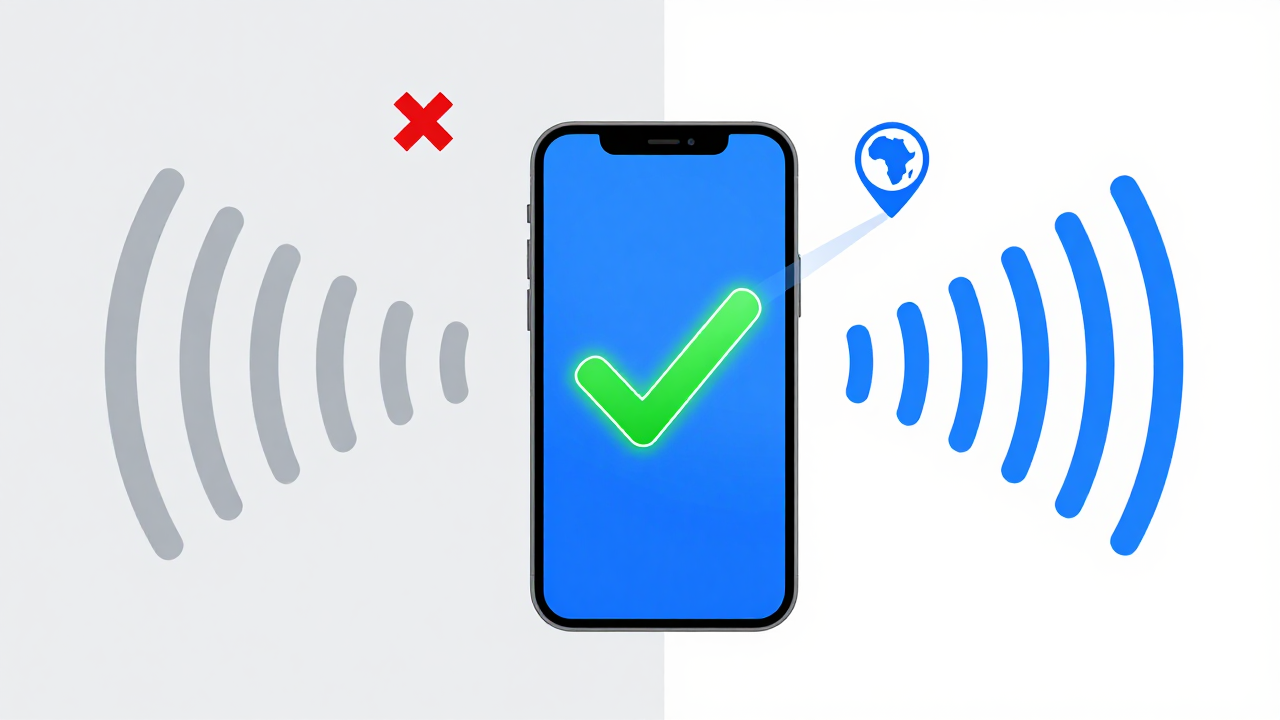
If you run a cross-border business, you've probably hit this wall before: you're registering for a Tanzanian e-commerce account, payment tool, or social platform, you enter your international phone number, and the verification code never arrives. You wait, and wait, and then get a "delivery failed" message. Honestly, this isn't bad luck—it's a systemic issue. Many overseas platforms restrict SMS delivery to international numbers. That's where Tanzania SMS verification services become a necessity rather than a luxury.
Why Your Verification Codes Never Arrive—And What Actually Works
Most cross-border professionals initially blame their phone signal, but that's rarely the culprit. Tanzania's local carrier networks have historically low international SMS interoperability rates. On top of that, many platforms' risk-control systems automatically block non-local number prefixes. The result? Your verification code never gets sent. This has nothing to do with your device—it's purely a routing problem.
The practical solution is to get a local Tanzanian phone number to receive SMS messages. But nobody's flying to Dar es Salaam just to buy a SIM card. That's why SMS verification platforms exist. These services maintain pools of virtual or real numbers, receive verification codes on your behalf, and display them in a web dashboard in real time.
Among the more established options in the industry, platforms like Getfollow operate on this compliant model. That said, the market is crowded with providers of wildly varying quality, so choosing carefully matters.
How to Choose an SMS Verification Platform: 5 Criteria That Actually Matter
I've seen too many people chase the cheapest option, only to watch their registration stall halfway because the code never arrives—or worse, the number gets flagged by the platform's risk controls. Here's what to evaluate before committing:
- Number Pool Quality: Are these genuine Tanzanian carrier numbers, or recycled ones that have been used for mass registrations? A pool heavy on second-hand numbers will tank your success rate.
- Success Rate and Speed: Many platforms advertise "instant delivery" but leave you waiting five minutes with nothing. Look for services that show real-time status updates—at least you'll know what's happening.
- Pricing Model: Per-message or monthly subscription? Some platforms lure you in with low base prices, then tack on surcharges for each verification code. It adds up fast.
- Privacy Protection: Let's be clear—an SMS verification platform can see your message content. If the provider's data management is sloppy, your account security is at risk.
- Customer Support: Registering an account at 2 AM and hitting an error with no support online? That's a recipe for throwing your phone across the room.
Industry consensus is simple: don't fixate on price. Success rate is the metric that matters. Many experienced cross-border operators report that cheap platforms end up costing more in wasted time and effort than they ever saved.
Common Use Cases for Tanzania SMS Verification
Beyond the selection criteria, let's talk about real-world applications. Among the cross-border users I've worked with, Tanzania SMS verification typically falls into three buckets:
First, bulk social media account registration. If you're running community management or a content matrix, you need multiple local accounts. Platform risk controls are getting stricter, and phone verification requirements are higher than ever. A reliable Tanzanian number significantly reduces your account-ban risk.
Second, local e-commerce and payment platform verification. Registering as a seller on Tanzanian e-commerce sites, or linking mobile payment tools, requires a local number to receive confirmation codes. Without this step, your transaction flow simply won't work.
Third, app testing and task-based platforms. Some survey platforms and task apps offer incentives for users in Tanzania, but registration requires a local number for SMS verification. A dependable verification channel is non-negotiable here.
Common Pitfalls in SMS Verification—And How to Dodge Them
Many newcomers don't realize that receiving a code isn't the end of the story. Number validity periods, support for two-factor authentication, and whether voice verification codes are accepted—these details all affect your experience. Some platforms only support one-time SMS, but the service you're registering for requires voice verification. That's a wasted effort.
Number "cleanliness" is another critical factor. If a number has been used for bulk registrations before, it may already be on a platform's watchlist. Using it again significantly increases your chances of triggering risk controls. When evaluating providers, check whether they regularly purge and refresh their number pools.
From my experience, reputable providers clearly label their number types and intended use cases. They don't hedge or give vague answers. If a platform claims it can "handle anything," that's actually a red flag.
Pricing and Costs: Is Tanzania SMS Verification Expensive?
To be straightforward, Tanzania SMS verification pricing sits in the mid-to-upper range for Africa—slightly higher than Nigeria or Kenya, but considerably cheaper than many European countries. Pricing varies significantly across providers. Some charge per message, ranging from a few cents to a couple of dollars. Others offer weekly or monthly number rentals, which suits users who need a stable number long-term.
Here's a rough reference: single-use verification codes typically cost between $0.07 and $0.40 USD, depending on number type and platform pricing. If you only need to register one or two accounts occasionally, pay-per-message is fine. For ongoing needs, renting a number or buying a package works out more economical.
There's a widely accepted rule in the industry: prices significantly below market average usually mean compromised number pool quality or success rates. Maintaining a genuine number pool costs money. No business sustains loss-leading pricing for long.
A Practical Screening Approach
If you need a provider right now, here's the sequence I recommend: first, check if the platform offers online testing—some have free trial receipts. Then, look through user reviews specifically about success rates. Finally, compare customer support response times. In the current market, platforms like Getfollow have built a solid reputation for regularly updated number pools and real-time dashboard visibility, making them a strong choice for users who prioritize success rates.
That's not the only option, but it's a market-tested direction. Choosing a service provider is like choosing a business partner—stability outweighs everything else.
Frequently Asked Questions About Tanzania SMS Verification
Q: Can SMS verification platforms leak my account information?
A: Legitimate platforms have privacy protection policies, but let's be honest—using an SMS verification service inherently means the platform can see your verification code content. Stick with providers that have clear data security commitments, and avoid obscure, unverified platforms.
Q: What should I do if I don't receive a verification code?
A: First, double-check that you've selected the correct number. Then confirm the platform supports the service you're trying to register for. If multiple attempts fail, the number pool is likely the issue—switch numbers or contact support. Reliable providers typically offer a resend option or refund.
Q: How do I identify a trustworthy SMS verification provider?
A: Focus on three things: whether the number pool is genuine, whether success rates are consistent, and whether after-sales support is responsive. Start with a small test order rather than loading up a large balance upfront. Platforms like Getfollow support testing before payment, which significantly reduces your risk.
At the end of the day, Tanzania SMS verification is fundamentally a tool—and choosing the right tool saves you a world of headaches. Hopefully, this guide helps you sidestep the common pitfalls and put your energy where it actually matters: growing your business.