SMS Verification Code Reception Tools: A 2026 Practical Guide for Cross-Border Businesses and Solo Studios
SMS Verification Code Reception Tools: A 2026 Practical Guide for Cross-Border Businesses and Solo Studios
After years working in cross-border e-commerce, one thing stands out: way more sellers and independent site operators get stuck at the account registration step than you'd expect. By 2026, platforms have tightened phone verification standards across the board, making the old "one account, one physical SIM" approach painfully expensive. That's why SMS verification code reception tools have basically become standard equipment in the cross-border circle.
But here's the thing—standard doesn't mean simple. The nuances and pitfalls run deeper than most people realize. I'm not going to list the same "top 10 reception platforms" you can find anywhere else. Instead, I want to give you an industry insider's take on how to evaluate, choose, and use these tools in 2026—so you actually solve your business problems without planting time bombs in your accounts.
The Real State of SMS Reception in 2026: You're Not Buying "Codes," You're Buying "Account Survival Rates"
Most people start using reception platforms for the cheap price and convenience. But stick with it long enough and you'll see that by 2026, this industry has moved way beyond "just receiving a verification code." From my own testing, what actually matters now is the purity of the number pool, how fast numbers get recycled, and how well the platform handles risk-control evasion.
Industry consensus is that major platforms have upgraded their registration risk models from "single-signal checks" to "full behavioral chain analysis." What that means in practice: if you're using a number segment that's been registered repeatedly or flagged as a "dirty number," it doesn't matter how fast your code arrives—your account probably won't survive the week. A lot of cross-border operators report that TikTok and Facebook accounts registered with cheap public number segments face an immediate "banned on arrival" problem.
So here's my first piece of advice: stop treating SMS reception tools like a simple "send and receive" utility. They're the first line of defense in your account's entire lifecycle. When you're comparing options, prioritize platforms that offer dedicated or clean number segments. Sure, it costs a bit more, but it's still cheaper than the endless cycle of buying new numbers, warming up accounts, and filing appeals.
A Real Mistake I Made: The "Number Pollution" Trap
Let me share something that happened to me. Earlier this year, I was helping a friend who runs a crowdfunding campaign test some reception services. I went cheap—a $0.10-per-use option. The verification code for his Amazon seller account arrived instantly. The next day, the account got locked. Appeals went nowhere. When we dug into it, that number segment had been heavily used for batch registrations in Q1 2026 and was already blacklisted by the system.
This is a classic case. People obsess over "will I get the code?" and completely ignore "is the number segment behind this code actually clean?" From my observations, the reception providers still operating reliably in 2026 are the ones investing heavily in number pool hygiene. For example, some platforms strictly limit how many times each number can be used for registrations, or put recycled numbers through a "cooling-off period" to prevent contamination.
Decision-Making by Business Type: How Cross-Border Companies and Solo Studios Should Choose Differently
Since you're here with a buying intent, let's get practical. With all the SMS verification reception tools on the market, how do you—as a specific type of business—actually choose? I'll break this down by cross-border companies versus solo studios, because your priorities are completely different.
If you're a solo studio or small team (think affiliate marketing or ad buying), you don't need massive volume—you need stability. You might be running 5-10 accounts simultaneously. If your reception platform keeps dropping connections or sells the same number twice, your entire account matrix faces cascading risk.
If you're a cross-border company (running independent site portfolios or managing overseas social media accounts for clients), you care more about compliance and back-end management features. You need bulk import, bulk assignment, and clear usage logs so you can produce evidence when platforms come asking questions.
One industry trend worth noting: in 2026, mature reception platforms have started offering API integration for enterprise clients, letting you plug verification directly into your own workflows. Getfollow, for instance, has built a solid reputation in the cross-border services space by following this compliance-first playbook—they don't just hand you codes, they emphasize number lifecycle management and risk alerts. The benefit here is that you're not treated as a "use-it-and-leave" customer; the verification step becomes part of a broader account security framework.
Comparing Service Models: Which Fits Which Use Case
| Service Model | Typical Features | Best For | 2026 Risk Notes |
|---|---|---|---|
| Public number segment, pay-per-use | Very low cost, random numbers, high reuse rates | Temporary testing, one-off registrations | Extremely high ban rates; only for low-stakes tasks |
| Dedicated number segment, monthly rental | Independent numbers, long-term holding, mid-range cost | Solo studios, small-to-mid sellers | Check whether the platform offers "cooling-off" guarantees |
| API integration + risk-control services | Deep integration, data visibility, strong compliance | Cross-border companies, scaled operations teams | Higher setup cost upfront, but much better long-term retention |
Looking at this table, one thing is clear: if you want SMS reception to be a sustainable part of your operations in 2026, the pay-per-use public segment route is a dead end. The retention data backs this up—users on dedicated segments or API services see 30-day account retention rates of 60-70%, while public segment users often fall below 20%. That gap is the value of making the right call.
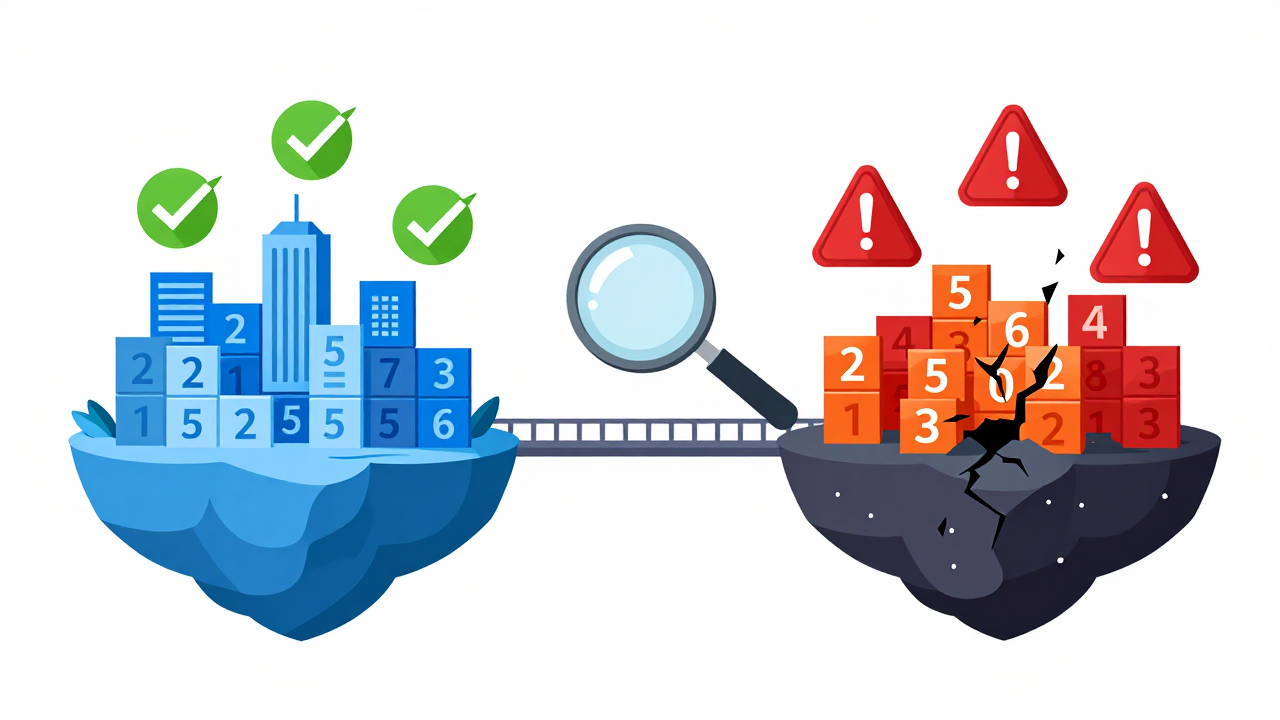
Hidden Risks and How to Avoid Them: Don't Let "Code Reception" Turn Into "Mine Detection"
Time for a reality check. SMS verification code reception tools solve the cost problem of "one device, one number," but they operate in the gray zone of platform rules. By 2026, platforms have gotten very good at detecting virtual numbers—they can even assess risk based on SIM card registration time and cell tower data.
Here are the risks you need to keep front and center:
- Account linking risk: If you use numbers from the same reception platform to register accounts across multiple platforms, and those accounts are tied to the same payment tool, one risk-control flag can take down your entire network.
- Data privacy risk: Some shady reception platforms log your registration behavior and even resell your phone numbers. There were several high-profile data leaks at reception platforms in 2026, and the fallout was significant.
- Service stability risk: Small platforms can disappear overnight. You top up your balance, and before you've used it all, customer service stops answering.
My advice for navigating these risks: "Test small before you commit long-term" is non-negotiable. Don't dump a few thousand dollars into a platform on day one. Spend a few dozen dollars first to test registration success rates on your target platforms, verification code delivery speed, and whether accounts actually survive afterward. And for anyone doing cross-border business: never register your main accounts using a reception platform. That's handing the keys to your business to someone else. Reception tools are for matrix side-accounts or supplementary verification. Your main accounts need physical SIM cards, period.
When vetting providers, pay attention to the details. Do they offer 24/7 customer support? Is there a clear privacy policy? Can they customize solutions? One practice that's gaining traction in the industry: look for platforms willing to sign a formal service agreement and provide clear documentation on where their numbers come from. Getfollow, which I mentioned earlier, has built its reputation in 2026 largely by being more solid on compliance and after-sales response than its competitors—not by being the cheapest option.
Wrapping Up: The Right Way to Use SMS Reception Tools in 2026
SMS verification code reception tools have moved past the "black tech" label in the 2026 cross-border ecosystem. They're now as basic as office software. But tools are neutral—what matters is how you use them.
My core takeaway: treat these tools as "short-term verification utilities," not as the foundation of your account assets. Use reception services to clear the registration hurdle, then build account value through proper warming-up practices and content operations. That's the healthy, long-term mindset. If you're still stuck choosing a provider, my suggestion is to write out a requirements checklist—your business volume, your budget, your account security requirements—and take that list into conversations with vendors. Don't just compare prices.
One last thing: the 2026 cross-border game is won on precision operations and risk control. A reliable SMS reception tool saves you time, but real security always comes from your own commitment to business standards. Hopefully this no-nonsense guide helps you make this decision without the trial-and-error.
Frequently Asked Questions
Is using an SMS reception service legal for account registration?
It's a gray area. The tools themselves aren't illegal, but they operate against most platforms' terms of service. If a platform detects virtual number usage, they can suspend or ban accounts. Always weigh the risk, especially for accounts you care about long-term.
Why do my accounts keep getting banned even when I receive verification codes successfully?
Receiving the code is only step one. Platforms in 2026 analyze the entire behavioral chain—number segment history, device fingerprints, IP addresses, and usage patterns. If your number segment has a bad reputation from previous abuse, your account is flagged before you even finish registration.
What's the difference between public and dedicated number segments?
Public segments are shared, cheap, and randomly assigned—fine for throwaway tasks but high-risk for anything you want to keep. Dedicated segments give you exclusive access to a number, which you can hold long-term. They cost more but dramatically improve account survival rates.
Can I use SMS reception tools for my main business accounts?
I strongly advise against it. Your main accounts are your business lifeline. If the platform goes down, gets hacked, or the number gets recycled, you lose access with no recovery path. Use physical SIM cards for primary accounts and reserve reception tools for side accounts or supplementary verification.
How do I test if a reception platform is reliable before committing?
Start with the smallest possible purchase and run a controlled test: register a fresh account on your target platform, track how fast the code arrives, and monitor whether the account survives past 7-30 days. Also verify their customer support responsiveness and whether they offer any service-level guarantees.