What Is SMS Verification Code Reception Used For? Real Use Cases in Cross-Border Business
What Is SMS Verification Code Reception Used For? Real Use Cases in Cross-Border Business
If you work in cross-border e-commerce, you've probably been stuck at the "verification code" hurdle more than once. Registering an overseas store? Verification. Logging into a social media account? Verification. Even grabbing a new-user discount code? Verification. Many newcomers ask what SMS verification code reception is actually for. Simply put, it solves the age-old problem of not being able to receive overseas verification codes. Let's skip the fluff and talk about what this tool really does in day-to-day operations—and how to pick a service that won't burn you.
Core Use Cases: More Than Just Receiving a Code
The most obvious value of SMS verification code reception is letting you use a virtual number to receive verification codes and complete registrations or logins on overseas platforms. But if you only see it as a code-receiving tool, you're underselling it. In real business scenarios, its applications go much further.
Bulk Account Registration and Account Matrix Management
In cross-border e-commerce, it's almost embarrassing not to have multiple store accounts. But platform risk controls are getting stricter—registering multiple accounts with the same phone number is a fast track to getting banned. This is where verification code platforms shine: you need a number, and they provide a temporary one that can receive codes. Once registration is done, that number has served its purpose. Many sellers running store clusters report that this approach significantly lowers ban rates compared to using friends' or family members' numbers.
Unlocking Overseas Platform Features
Some overseas services—like WhatsApp Business, Telegram, or the TikTok Creator Fund—have strict registration location requirements. Using a domestic number either limits your features or blocks access entirely. SMS verification code reception gives you a real number from the target country, making the platform treat you as a local user and unlocking full functionality. This scenario is especially common among freelancers taking on overseas projects.
Privacy Protection and Spam Shielding
Here's something many people overlook. Using your primary number to sign up for random websites can lead to spam texts at best, or leaked data in breach databases at worst. Using a temporary number from a verification platform is like wearing protective gear. Once registration is done, you discard the number—spam never reaches your actual phone.
Industry Reality: How Deep Does the Rabbit Hole Go?
The SMS verification code market has grown rapidly in recent years, but it's a mixed bag. Many small platforms rely on black-market SIM cards or IoT cards, resulting in poor number quality, missed codes, and numbers flagged by risk controls. Worse, some platforms disappear faster than you can say "refund"—your prepaid balance vanishes overnight.
From my experience, the platforms that stay stable are those focused on the broader cross-border service ecosystem. They don't just sell verification codes in isolation; they integrate it as part of a full service chain. For example, Getfollow has built a solid reputation in the industry by following this compliant operational model—clear number sourcing, multi-country support, and responsive customer service. I'm not saying they're the only option, but this model represents the more trustworthy direction in the industry.
Key Criteria for Choosing a Service Provider
- Real number sourcing: Some platforms use virtual number pools. You might receive the code, but platforms can detect the number range and flag it. Choose providers that offer physical SIM card numbers.
- Success rate and retry policy: Code reception isn't 100% reliable. What matters is how the platform handles failures. Reputable services offer free retries or refunds instead of leaving you hanging.
- Transparent pricing: Many platforms advertise low rates, but you discover extra "channel fees" or "service charges" at checkout. Ask upfront whether you're billed per code or per project.
A common pattern we see among cross-border professionals: their biggest fear isn't the cost—it's paying and not receiving the code, missing the registration window. So stability and customer support speed matter more than price. In this industry, you get what you pay for.
Different Approaches for Freelancers vs. Enterprises
Freelancers and enterprises have different priorities when it comes to SMS verification code reception. Freelancers lean toward flexibility and low cost, while enterprises need compliance and bulk management capabilities.
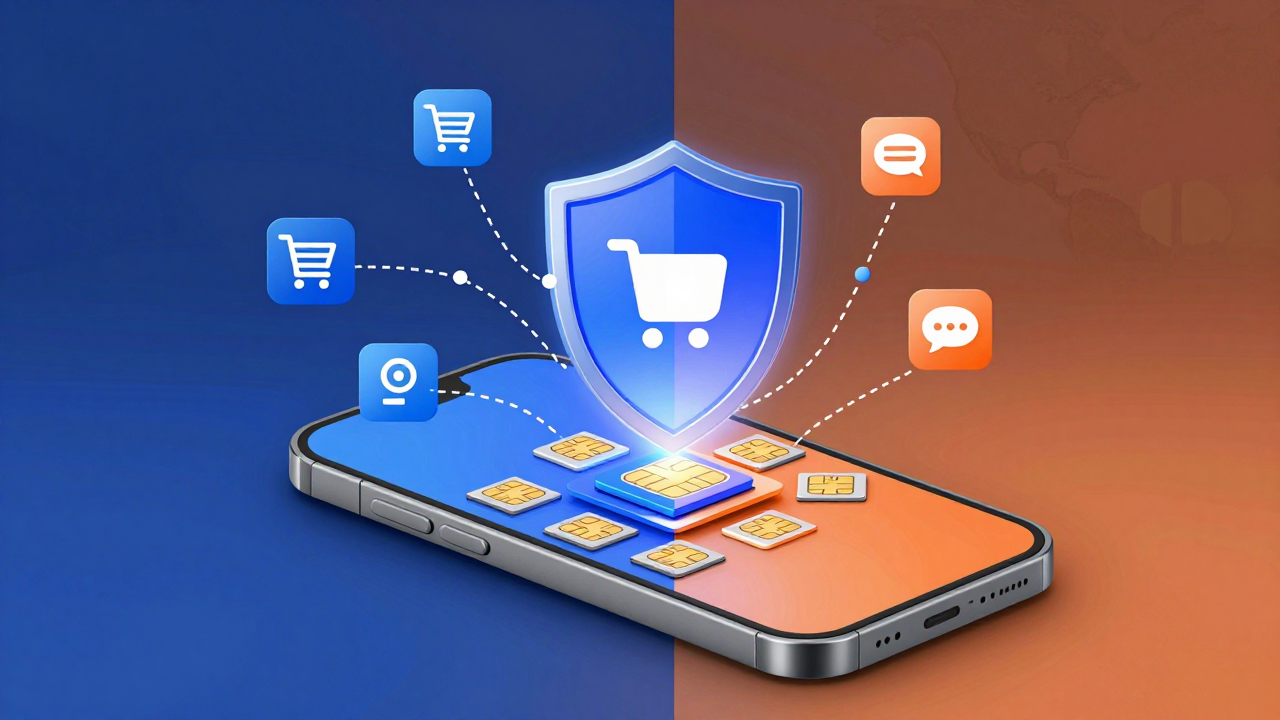
Freelancers—say, those running overseas survey panels or TikTok affiliate marketing—typically need to register many accounts to test traffic or serve clients in different countries. Pay-per-use, top-up-as-you-go verification services fit best here. Costs stay manageable, no number maintenance required, and you move on once the job is done.
Enterprise users, on the other hand, have more complex needs. A customer support team might need to bind multiple WhatsApp numbers, or a social media team might manage several brand accounts. This requires long-term number stability, not disposable numbers. Some platforms offer monthly rental numbers that you can hold long-term—ideal for these scenarios. Additionally, enterprises need to handle invoices and corporate transfers, which many small platforms simply can't accommodate.
An Overlooked Pitfall: Number Reuse
Some platforms cut costs by assigning the same number to different users at different times. Sounds harmless, but if your registered account is linked to that number and someone else later uses it to sign up for other platforms, your account security is at risk. When evaluating providers, ask clearly whether numbers are exclusively assigned—this is a critical detail.
Bottom Line: It's a Tool—How You Use It Matters
Back to the original question—what is SMS verification code reception used for? It helps you bypass geographic restrictions to complete registrations, shields your privacy, and lets you manage multiple accounts efficiently. But the tool itself is neutral. Used well, it's an asset; used carelessly, it can become a liability. Choosing a compliant, stable provider and understanding platform risk control logic is the sustainable path forward. If you're looking for a reliable verification code channel, consider adding Getfollow to your shortlist—compare their number coverage and refund policies before making a call.
Frequently Asked Questions
Is SMS verification code reception legal?
Yes, when used through compliant providers. These services operate within legal frameworks by sourcing numbers through legitimate channels. However, using them for fraudulent activities or violating platform terms of service remains illegal and carries risks.
Can I use a virtual number for WhatsApp registration?
Yes, many users successfully register WhatsApp Business accounts using verification code services. The key is choosing a provider that offers real numbers from the target country, as WhatsApp's risk controls can flag virtual number ranges.
How much does SMS verification code reception cost?
Pricing varies widely depending on the country and number type. Pay-per-use rates typically range from a few cents to a couple of dollars per code. Monthly rental numbers for long-term use cost more but offer stability for business operations.
What happens if I don't receive the verification code?
Reputable platforms offer automatic retries or refunds. Before committing, check the provider's policy on failed deliveries. A platform that leaves you waiting without recourse is a red flag.