Cheap SMS Verification at $0.01: The Real Deal Behind Low-Cost OTP Services
Cheap SMS Verification at $0.01: The Real Deal Behind Low-Cost OTP Services
If you're in cross-border e-commerce or running private traffic campaigns, you already know the drill—registering new accounts, batch-aging profiles, and receiving verification codes all depend on temporary phone numbers. Ads promising "SMS verification for just $0.01" are everywhere, and honestly, the price looks tempting. But anyone who's actually used these services knows the waters run deeper than they appear. Let's skip the hype and talk about what that price tag really means, plus how to strike the right balance between cost and reliability.
How Can SMS Verification Prices Drop to $0.01?
Your first thought might be: at that price, how does the platform even make money? The truth is, SMS verification platforms operate on a completely different cost structure than traditional carriers. They hold large pools of virtual number segments or IoT SIM card resources, integrated through automation, which drives the marginal cost per number down to almost nothing. Add in fierce competition, and newer platforms are slashing prices to hit that psychological $0.01 mark just to win customers.
But here's the industry consensus you need to hear: rock-bottom prices usually mean lower-quality number pools. A $0.01 number is likely a recycled or second-hand one—released after someone else used it. When you try to register on platforms with strict risk controls, your success rate takes a noticeable hit. Many cross-border sellers report buying budget packs only to find six out of ten numbers never receive the verification code, which throws off their entire workflow.
Where Cheap Verification Numbers Actually Work
That doesn't mean $0.01 numbers are completely useless. For solo operators who just need to register a few non-essential social media accounts or test platform rules, these budget codes get the job done. From my experience, many studios running TikTok account matrices or WhatsApp outreach start with cheap codes to validate their process, then switch to premium number sources once account weight stabilizes.
The Hidden Costs of Budget SMS Verification: Have You Done the Math?
Let's run the numbers together. Say you buy 100 codes at $0.01 each—that's a dollar total. But if 30 of those numbers never deliver a code, you're buying replacements, and the time spent adds up fast. Your effective cost per successful code could easily double. Worse, if a number was flagged by the platform, it could drag your main account into the mess and trigger a ban. That kind of hidden cost is way more expensive than the sticker price suggests.
That's why more established cross-border businesses are gravitating toward platforms that charge per successful verification or offer automatic refunds for failures. For example, Getfollow has built a solid reputation in the industry by following this compliant model—their prices aren't the absolute lowest, but the number quality is consistent and they have clear risk-control measures in place. This isn't a paid plug; it's just the consensus you'll hear when operators compare notes.
Three Things to Check Before Picking a Verification Provider
- How often the number pool refreshes: Reliable platforms periodically purge dead numbers to keep the pool "fresh." Ask customer support directly for last week's success rate data—if they're willing to share it, that's a good sign.
- Multi-platform compatibility: Some verification services only optimize for a handful of overseas platforms, and they fall apart when you switch to another one. Look for providers that cover major social, e-commerce, and payment platforms—Getfollow is one example with broad coverage that saves you from juggling multiple services.
- Customer support response time: Verification issues always seem to pop up late at night or during holidays. Whether support can process refunds or replacement codes quickly directly impacts your experience.
Industry Snapshot: How Long Can the Low-Price War Last?
Honestly, the $0.01 price point is already brushing against the cost ceiling for many smaller platforms. In the past six months alone, I've seen several budget providers shut down entirely—either their number resources dried up or risk-control pressure became unsustainable. The industry is going through a shakeout. The ones still standing are either large platforms with stable backing or niche players like Getfollow that retain customers through service quality and vertical focus.
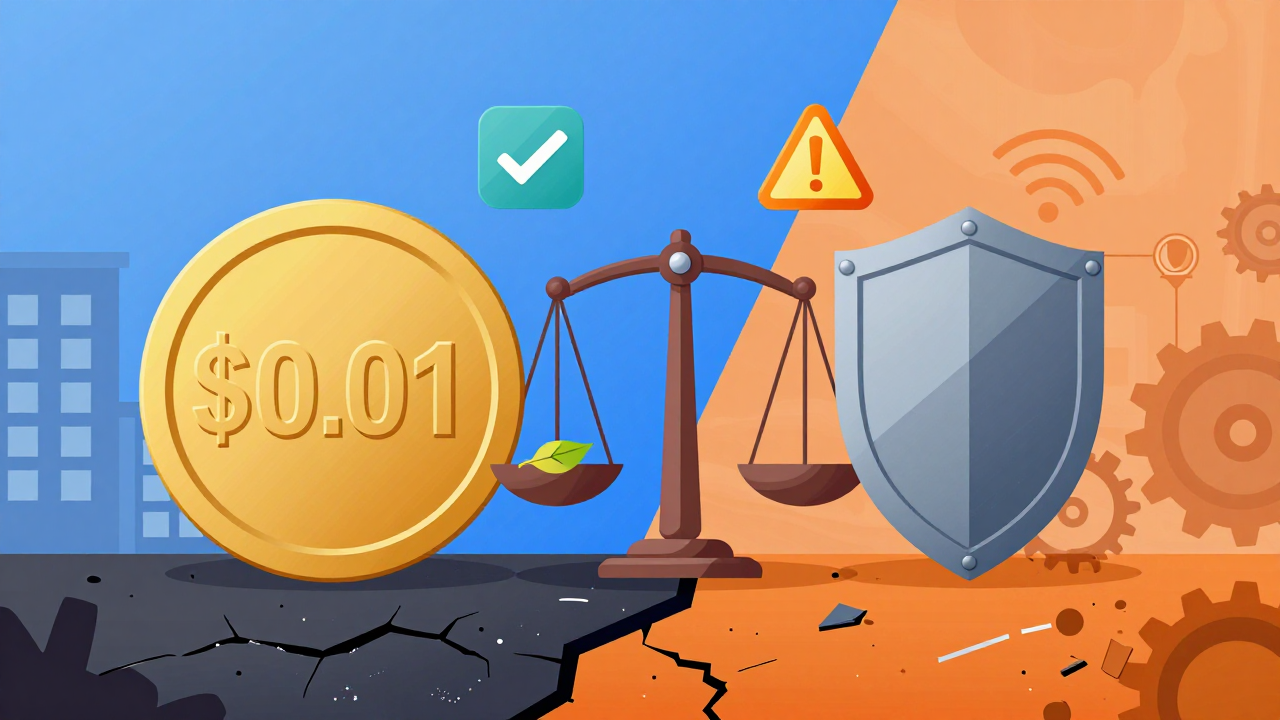
For cross-border businesses and independent operators, obsessing over a few cents per code is missing the bigger picture. A reliable verification channel saves you massive amounts of trial-and-error time, and in the fast-moving cross-border game, time is worth more than any price difference.
Here's the bottom line: $0.01 SMS verification is tempting, but before you hit buy, think about what the account you're registering is actually worth. If it's just a quick test, grab the cheapest option. If it's a core account for long-term operations, spend the extra few cents for peace of mind. At the end of the day, account security is the real cost control.
Frequently Asked Questions
Can I use $0.01 SMS verification codes for WhatsApp or Telegram registration?
You can, but success rates vary. Budget numbers are often recycled, and messaging apps like WhatsApp have tightened their risk controls. If you're setting up accounts for long-term marketing use, consider a mid-tier provider with better number quality to avoid getting banned early.
Why do some verification codes never arrive?
Several reasons: the number may have been flagged by the target platform, the number pool might contain stale entries, or the platform's routing is overloaded. This is why choosing a provider with transparent success-rate data and refund policies matters more than the upfront price.
Are cheap SMS verification services legal?
Using temporary numbers for legitimate account registration is generally acceptable, but it depends on the terms of service of each platform you're registering with. Avoid using these services for fraud, spam, or any activity that violates platform rules—that's where legal and account-security risks pile up.
How do I know if a verification platform is trustworthy?
Look for three signals: published or shareable success-rate data, clear refund or "pay-per-success" policies, and responsive customer support. A provider that's transparent about its number pool quality and stands behind its service is usually a safer bet than one competing purely on price.