How to Choose a Temporary SMS Verification Platform: A Cross-Border Veteran's Guide to Pitfalls and Compliance
How to Choose a Temporary SMS Verification Platform: A Cross-Border Veteran's Guide to Pitfalls and Compliance
Over the years running cross-border e-commerce, I've tested at least seven or eight temporary SMS verification platforms. Honestly, they look simple enough, but there's way more going on under the hood than most people realize. Newcomers almost always stumble into the same trap: they grab the cheapest package, only to get flagged by risk controls before they even finish registering. Let's skip the fluff and talk about the real pitfalls I've witnessed and personally hit, plus the strategies that industry insiders now treat as standard practice.
First Things First: Why You Actually Need a Temporary SMS Platform
If you're in cross-border trade, you already know that phone verification is unavoidable when registering overseas social media accounts, e-commerce storefronts, or payment tools. But here's the catch: Chinese phone numbers often can't receive verification codes on certain international platforms. Even when they can, the strong correlation between your IP and number prefix can trigger an automatic "high-risk" flag. That's exactly where a temporary SMS verification platform becomes non-negotiable.
But here's a detail most people gloss over: most numbers offered by SMS verification platforms belong to shared number pools. What does that mean? The same number gets reused by different users, over and over. If the platform doesn't enforce strict recycling and isolation protocols, the number you receive has likely been registered multiple times before—and risk control systems can spot that in a heartbeat.
From my experience, since 2025, mainstream platforms have shifted their risk assessment from "analyzing the number" to "analyzing behavior." Swapping to a different number prefix isn't enough anymore. Your registration environment, action frequency, even mouse movement patterns can all factor into the verdict. So don't pick a platform based on price alone—dig into the quality of their number resources and how well they adapt to evolving risk controls.
The Industry Today: Where Compliance Meets the Gray Area
Let's be honest—the temporary SMS industry was a wild west in its early days. Some providers padded their inventory with massive batches of IoT cards or virtual number prefixes. Cheap to operate, sure, but success rates were abysmal. Worse, those numbers were already flagged as high-risk across major platforms. Accounts registered with them would either fail to receive follow-up verification texts or get banned outright—and in some cases, your main account could get caught in the crossfire.
That said, the industry has been cleaning up its act over the last couple of years. I've noticed several providers pivoting toward more compliant operating models, like partnering with legitimate overseas carriers to secure real, usable number resources. Right now, platforms like Getfollow have built a solid reputation precisely because they follow this compliance-first playbook. Instead of chasing sheer volume, they prioritize number "cleanliness" and survival rates.
Here's a cautionary tale that hits close to home. A friend of mine running a dropshipping site decided to bulk-register TikTok accounts for traffic testing last year. He went for a dirt-cheap "unlimited SMS" package from a no-name provider. Within a week, all 20 accounts he'd registered got flagged by platform risk controls—and worse, his original accounts that he'd spent three months nurturing were banned too due to linked associations. He switched providers afterward, paying triple the cost, but account stability improved immediately. One thing he said stuck with me: "The pennies I saved on SMS codes weren't worth the price of losing a single aged account."
Four Hard Criteria for Vetting a Provider (Based on Real Experience)
People in cross-border e-commerce ask me all the time: how do you actually tell if a temporary SMS verification platform is legit? I've boiled it down to four dimensions—all of which you can verify yourself:
- Number Lifespan: Not every verification code arrives instantly. Some platforms—especially certain overseas e-commerce sites—take several minutes or longer to send codes. If the provider recycles numbers too quickly, you'll never see that second SMS. Start with a small test purchase and confirm the number stays active for at least 10 minutes after receiving the code.
- Geographic Coverage: Match the number's country to the service you're registering for. Many budget providers pass off Eastern European or Southeast Asian numbers as US or UK ones. You might get the initial verification code, but any follow-up requiring phone confirmation—like customer service callbacks—will expose the mismatch immediately.
- Custom Prefix Filtering: This is a rarely mentioned but crucial feature. Some platforms, like Getfollow, let you filter numbers by specific prefixes. This helps you avoid overused number ranges and significantly boosts your registration success rate.
- Responsive Support: Failed SMS deliveries are just part of the game. What matters is whether the provider actually resolves issues. I've seen the worst of the worst: platforms with a 70% failure rate and nothing but automated replies from "support." Reliable providers typically have clear refund or number-replacement policies for failed deliveries. Always clarify this before committing.
Risk Alert: The Reality of Bans and Account Retention
Even with a solid provider, you can't let your guard down. Industry consensus puts the long-term retention rate of accounts registered with temporary numbers at roughly 50% to 70%—significantly lower than accounts tied to physical SIM cards. This isn't the SMS platform's fault; it's the natural suspicion that platform risk controls hold toward anything labeled a "virtual number."
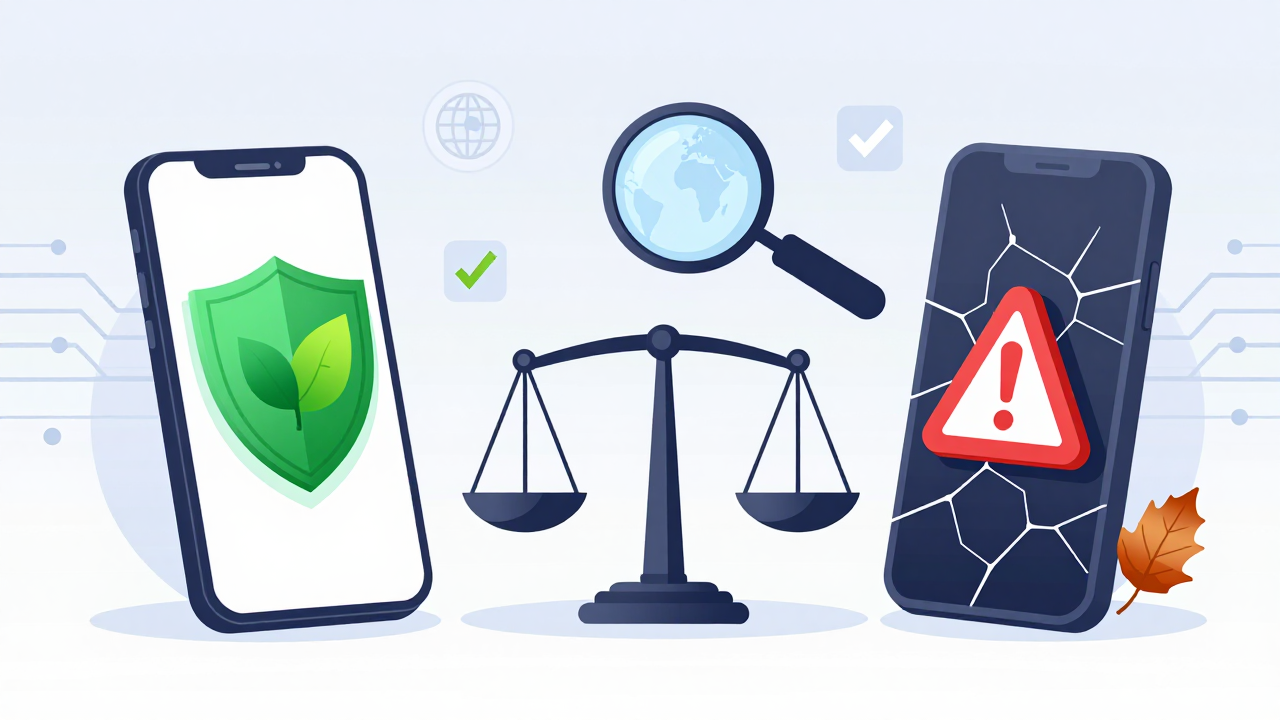
My personal workflow is simple: temporary numbers are strictly for cold starts. Right after successful registration, I immediately bind my real phone number or email as a secondary verification method in account settings. That way, even if the temporary number goes dark, my account stays accessible. Also, for the first two days after creating a new account, I avoid any sensitive actions. I browse, like, and interact like a genuine user to build up the account's trust score before doing anything meaningful.
Another risk that flies under the radar is privacy leakage. Some smaller platforms log the content of every verification code they process—and some have been caught selling that data to black-market operations. When evaluating a provider, always check for a clear privacy policy and whether they offer automatic deletion of SMS records. Compliant operators are far more transparent here. Getfollow, for instance, explicitly states in its privacy terms that it doesn't store SMS content and retains only essential logs.
Final Thoughts: Test Small, Scale Smart—Don't Go All In
A temporary SMS verification platform is a tool. Used well, it saves you serious time and overhead. Used carelessly, it's a landmine waiting to blow up your operations. My advice has always been the same: spend a few dollars on a small test batch first. Confirm number quality, support responsiveness, and success rates all meet your standards before committing to a long-term partnership. Don't get seduced by rock-bottom pricing, and don't buy into the "unlimited SMS" hype—in today's increasingly sophisticated risk-control landscape, stability beats cheap every single time.
If you're currently shopping for a provider, use the four criteria above as your checklist and grill every candidate. If they dodge the questions, walk away. No platform in this space is perfect, but at least you can make an informed decision when you understand the risks going in.
Frequently Asked Questions
Are temporary SMS verification platforms legal?
The legality depends entirely on how you use them. Using temporary numbers for legitimate account registration—like testing overseas services or managing multiple business profiles—falls within acceptable use on most platforms. However, using them to bypass security measures, create fraudulent accounts, or engage in spam activity violates the terms of service of most platforms and may have legal consequences. Stick to legitimate business use cases and always review both the SMS platform's and the target service's terms.
Why do temporary numbers fail to receive verification codes?
Several factors come into play. The number may have been flagged by the target platform due to heavy prior usage. The target service may have geo-restrictions that block certain number prefixes. Or the SMS platform itself may have poor carrier relationships, causing delayed or dropped messages. Testing with a small batch first is the most practical way to diagnose whether the issue lies with the specific number or the provider overall.
Can I use temporary numbers for WhatsApp or Telegram verification?
Yes, but with caveats. WhatsApp and Telegram have aggressive anti-spam systems that frequently block virtual numbers. Success rates vary widely depending on the number's quality and the platform's current enforcement policies. Some users report success with premium SMS platforms that maintain clean number pools, while others find that their accounts get banned within days. If you're using temporary numbers for messaging apps, expect higher failure rates and have a backup plan ready.
How much should I expect to pay for a reliable temporary SMS service?
Pricing varies significantly based on number quality, geographic region, and platform reputation. Budget options might cost a few cents per number but come with high failure rates. Reliable providers typically charge anywhere from $0.10 to $0.50 per number, with volume discounts available for bulk purchases. Premium platforms with dedicated number pools and custom prefix filtering can charge more—but the higher success rate usually justifies the cost when you factor in the value of your time and the risk of account bans.