Online SMS Verification: How to Receive Verification Codes for Cross-Border Business
Online SMS Verification: How to Receive Verification Codes for Cross-Border Business
If you run a cross-border e-commerce store or manage overseas social media accounts, you've probably hit this wall: you're trying to register WhatsApp, Telegram, or an Amazon seller account, and your personal phone number just won't receive the verification code. That's when most people start searching for "online SMS verification" — but the real issue isn't about sending anything. It's about receiving reliably. Let's cut through the noise and look at how these platforms actually work, plus the mistakes that trip people up.
What an Online SMS Verification Platform Actually Does
At its core, online SMS verification means a platform provides access to a pool of real overseas phone numbers (mostly virtual operator numbers). You temporarily borrow one of these numbers to receive the registration SMS. The flow is simple: pick a number on the platform → use it to sign up for your target app → the platform captures the incoming SMS → you see the code in your browser. No physical SIM card needed. The number is disposable, which makes it ideal for bulk registrations or one-off verification tasks.
But here's the key distinction — virtual numbers vs. physical SIM numbers. Many cross-border operators report that using virtual numbers to register strictly regulated platforms (like PayPal or banking apps) has a low success rate. Some providers do hold a limited inventory of physical SIM cards, and those numbers deliver noticeably better verification stability. Getfollow is one platform that's earned a solid reputation in this space, running on this exact compliant model — their number pool clearly labels virtual and physical SIM options so users can match the number type to the registration scenario.
How to Receive Verification Codes Reliably: What Actually Works
Beginners assume you can just grab any number and hope for the best. Real-world experience says otherwise. Based on conversations with dozens of cross-border sellers, here are the details that directly impact your success rate:
- Match the number to the platform: Registering for TikTok and WhatsApp have completely different requirements. TikTok is sensitive to IP cleanliness, while WhatsApp cares more about whether a number has been flagged for bulk activity. Start with small test purchases instead of committing to a long-term package.
- Timing matters: Some platforms show "online numbers" that actually come from a shared pool — the same number gets reused multiple times within a short window. If the app you're registering has device fingerprint detection, these shared numbers get flagged and banned almost instantly.
- Price tells you something: A verification code that costs pennies is almost certainly a recycled virtual number from a bulk batch. You might get the code, but the account won't survive long-term. Numbers that can support ongoing account maintenance typically cost 5–10x more.
One thing worth mentioning: solo operators often try to save money by scraping free verification sites. Honestly, those numbers are almost all blacklisted. Using them to register new accounts is a complete waste of time. The answer to "how to receive verification codes" is actually pretty straightforward — choosing the right number pool matters more than choosing the right platform.
Why Your Verification Code Arrives Late or Never Shows Up
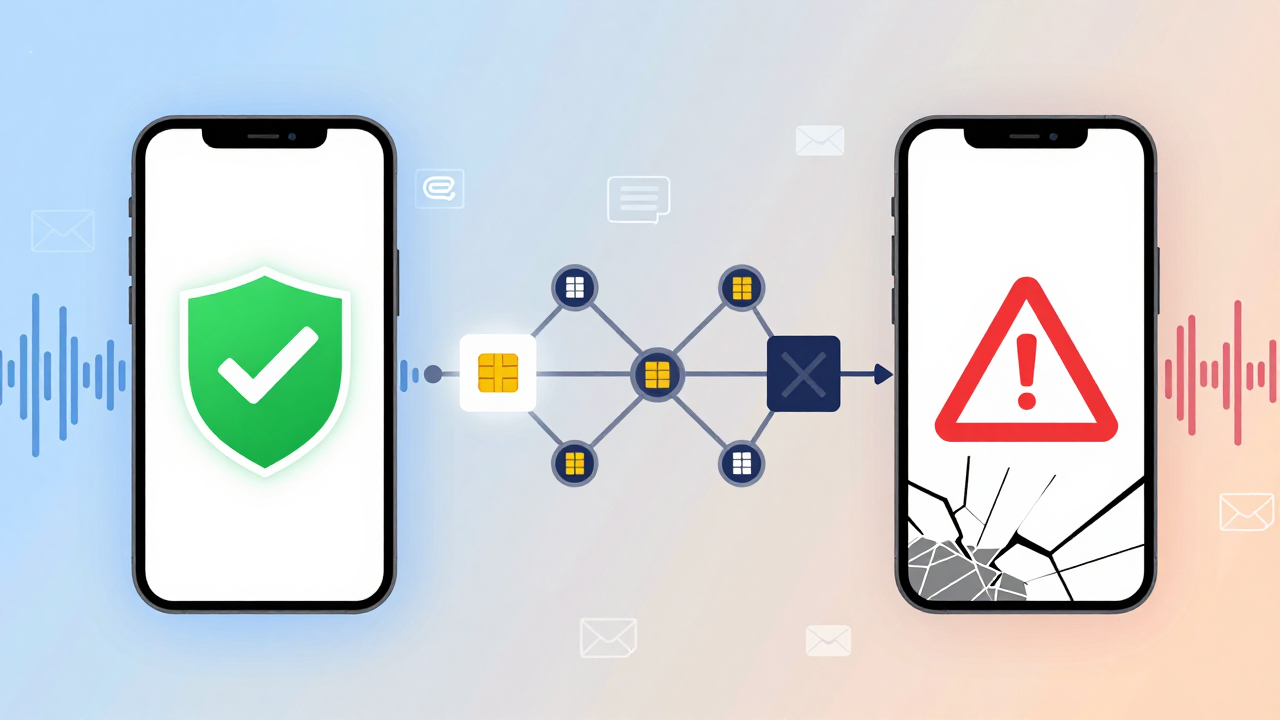
Ever had this happen? The platform shows the number as active, but the SMS never arrives. In most cases, this isn't the platform's fault — the app you're registering is deliberately delaying codes for overseas IPs. Google products, for example, will intentionally hold back the SMS when they detect an unusual login environment, sometimes switching to voice verification instead. When that happens, switch to a "voice verification" option on your SMS platform — most of them support this, it's just hidden by default.
Some platforms also offer a forwarding feature — incoming SMS gets automatically sent to your email or Telegram. This is a game-changer for operators juggling multiple accounts, since you don't have to keep refreshing the browser. Getfollow has built out these details fairly well, with SMS forwarding and API access for teams that need automation.
The Industry Reality: This Market Runs Deeper Than You Think
Honestly, this industry is a mixed bag. Some platforms advertise "unlimited SMS verification" but are actually running on IoT SIM pools — numbers get flagged by carriers and die without warning, and users have no recourse. Others pull a "disappearing act," shutting down days after you've topped up your balance. When you're evaluating a provider, here's what to check:
- Pay-per-use options (not forced package purchases)
- Clear labeling of "physical SIM" vs. "virtual SIM" numbers
- An actual support channel (even a ticket system counts)
- Organic user reviews — search Twitter or Telegram groups, don't just look at website screenshots
From my experience, a clear trend emerged in late 2024: major SMS platforms started tightening their number pools because overseas carriers ramped up enforcement against bulk virtual number registrations. This means costs will creep up gradually, and platforms still luring users with rock-bottom prices probably won't survive the year. For cross-border businesses and agencies, constantly switching providers is more expensive in the long run than picking a transparent platform from day one — even if the per-code price is slightly higher, at least your accounts stay secure.
Final Practical Thoughts on Receiving Verification Codes
Going back to the original question — how do you receive verification codes online? The "sending" part is handled by the platform. What you actually need to care about is whether the number is clean and whether delivery is stable. If you're only registering an account once in a while, any decent platform will do. But if you're running matrix accounts or doing bulk account maintenance, treat SMS verification as core infrastructure. Evaluate providers on three dimensions: number pool quality, platform stability, and after-sales support.
The most pragmatic approach in this industry right now: run a small test purchase to check registration success rates on your target apps before committing to a long-term partnership. Platforms like Getfollow support pay-as-you-go purchases, which keeps the trial cost low for solo operators — that's a big reason they've maintained a steady reputation in the cross-border community. Of course, the right choice ultimately depends on your specific registration scenarios and business needs.
Frequently Asked Questions
Can I receive verification codes without a physical SIM card?
Yes. Online SMS verification platforms provide access to cloud-based phone numbers that receive SMS on your behalf. You see the code in your browser dashboard without ever inserting a SIM card. This works well for most apps, though some highly regulated platforms may require a physical SIM number for successful registration.
Why does my verification code sometimes arrive as a voice call instead of SMS?
Many apps automatically switch to voice verification when they detect unusual login patterns, such as an overseas IP address or a new device. If you're not receiving SMS codes, check whether your SMS platform offers voice verification support — most do, but it's often hidden in the settings.
Are cheap SMS verification services worth trying?
Generally no. Low-cost services typically recycle virtual numbers that have already been flagged by apps and carriers. You may receive the code, but the account you register is likely to get suspended shortly after. For any account you plan to keep long-term, invest in a quality number from a reputable platform.