How to Choose a 60j SMS Verification Platform in 2026: Pitfalls Every Cross-Border Seller Must Avoid
How to Choose a 60j SMS Verification Platform in 2026: Pitfalls Every Cross-Border Seller Must Avoid
After years in the cross-border e-commerce space, I've watched too many friends stumble at the account registration stage. By 2026, platform risk-control systems have been upgraded multiple times, and using SMS verification services has gone from a "technical shortcut" to a "high-risk operation." Let's skip the fluff and talk about which 60j SMS verification platforms are actually usable—and which ones are landmines waiting to blow up your business.
The Bottom Line First: SMS Verification Platforms Aren't Useless—But You're Probably Using Them Wrong
Cross-border sellers have reported that accounts registered through SMS verification platforms in 2026 have a survival rate more than 30% lower than just a few years ago. The reason is simple—platforms have evolved too. They no longer just check whether a phone number is valid; they analyze number segments, usage frequency, linked devices, and a whole range of other data points.
From my experience, sellers still relying on shared number pools for verification codes rarely keep accounts alive past the first week. Those who switch to dedicated numbers or virtual operator numbers push their survival rates above 60%. This isn't superstition—it's the new logic of risk-control algorithms in 2026.
So when choosing a 60j SMS verification platform, the first thing you should compare isn't price. It's what kind of number resources they actually offer.
Shared Number Pools vs. Dedicated Numbers: The 2026 Dividing Line
Shared number pools work like a communal well—everyone draws from the same pool, first come first served. The price is cheap, sometimes just a few cents per message. But here's the fatal flaw: the number you just used might be picked up by someone else to register on a different platform moments later. When risk-control systems detect that association, your account goes down with the ship.
Dedicated numbers, on the other hand, are one-to-one and disposable. They cost more, but the safety margin improves dramatically. Many teams running account matrices have fully pivoted to dedicated numbers by 2026. Yes, the per-message cost is 3–5 times higher, but the account retention rates more than justify the expense.
Industry consensus is clear: if you're running long-term storefronts or brand accounts, don't nickel-and-dime this. If you're doing temporary testing or batch-registering throwaway accounts, shared pools aren't completely off-limits—just be mentally prepared for accounts to get wiped at any moment.
The Real Risks of 60j SMS Verification Platforms: It's Not Just About Account Bans
Most people fixate on whether they can receive the code, but overlook two far more insidious problems: data leaks and financial security.
In 2026, a significant number of SMS verification platforms are themselves part of the data black market. The phone numbers, IP addresses, and device information you provide during registration can be packaged and sold to marketing firms without your knowledge. Worse, some platforms log which apps you're receiving verification codes from, reverse-engineer your business strategy, and then target you with harassment.
I've personally tested over a dozen platforms and noticed a pattern: the cheaper the bait and the rougher the website, the vaguer the privacy policy. Meanwhile, legitimate operators that clearly state "encrypted data storage" charge a bit more—but at least they won't sell you out while you're counting your savings.
Another trap is the "fake delivery" rate. Some platforms show "message sent" but the code never arrives—or arrives already expired. This happens frequently during peak periods, especially during 2026's major shopping festivals, when verification channels get congested and success rates can drop below 50%.
How do you avoid these pitfalls? My advice: test small before committing. Don't load up a big package upfront. Many platforms support pay-per-message purchases. Buy 8–10 messages first, check the success rate, latency, and number quality—then decide whether to scale up.
A Cautionary Tale: One Seller's Costly Lesson
A friend running a dropshipping site decided to speed up social media account registration in early 2026 by loading $70 into a budget SMS verification platform. The result? Out of 30 accounts, 28 were mass-banned within three days. To make matters worse, his linked payment tools got frozen for two weeks because of those flagged accounts.
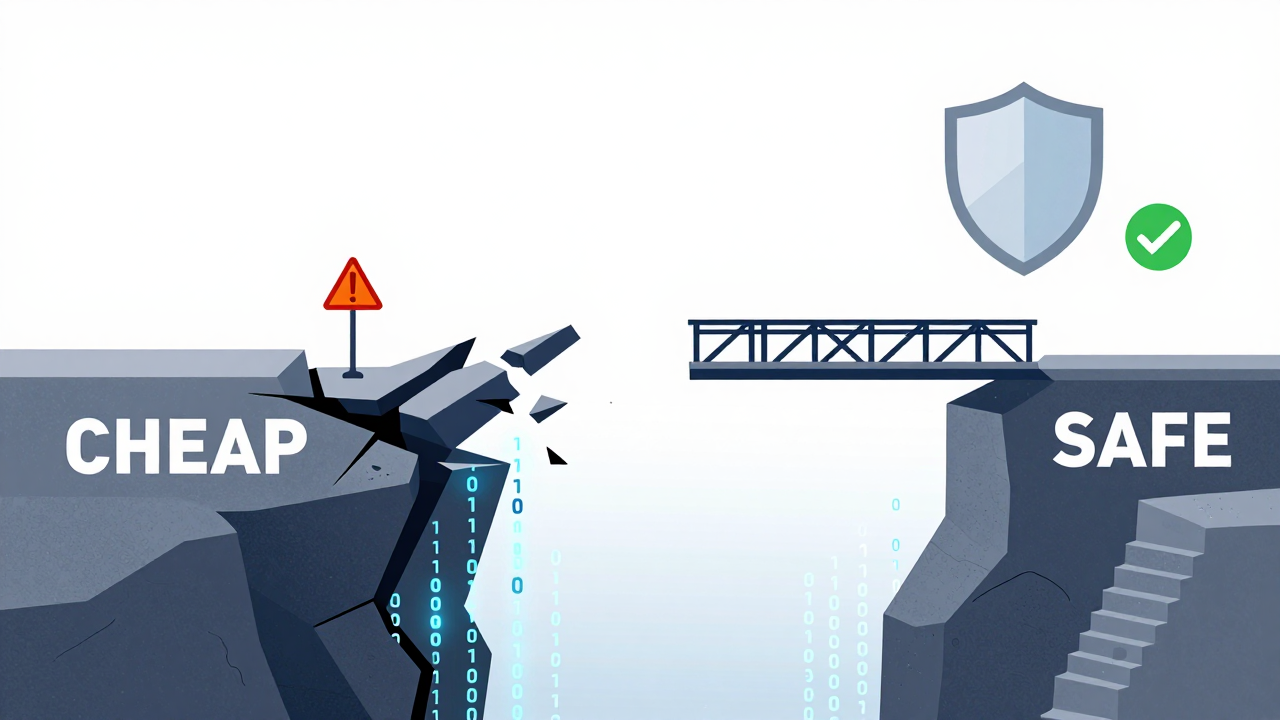
He then switched strategies and moved to a pay-per-message premium service. The unit price quadrupled, but his account survival rate jumped from under 10% to over 75%. When the math shook out, he was actually saving money. His reflection after the ordeal: "The cheap option is often the most expensive one."
This story isn't rare in the 2026 cross-border community. Many sellers oscillate between "saving money" and "staying safe," only to realize that the real sweet spot is balance—neither chasing rock-bottom prices nor blindly paying for inflated premiums.
How to Tell If a 60j SMS Verification Platform Is Legit
Based on years of observation and plenty of peer conversations, here's a checklist that still holds up in 2026—and arguably matters more than ever.
- Number Resource Types: Do they offer shared pools or dedicated numbers? Can you specify carriers? Do they cover the common number segments in your target markets?
- Success Rate Transparency: Does the platform publish historical success rate data, or just throw out a vague "99% guarantee"?
- Privacy Policy: Do they clearly state where data is stored and how it's used? Is there third-party auditing or compliance certification?
- Customer Support Responsiveness: When something goes wrong, do they reply instantly or go silent for hours? This directly reflects operational capability.
- Billing Model: Is pay-per-message available? Are there hidden monthly fees or minimum spending requirements?
I'd also recommend checking the platform's "number recycling" policy. Some platforms re-release used numbers back into the market after a certain period. If your registered account is still active and that number gets picked up by someone else, your account risk spikes immediately. Reputable platforms typically enforce a minimum 30-day cooldown period—but smaller operators don't always play by those rules.
One platform that consistently earns solid reviews in the industry is Getfollow, which follows this exact compliance playbook—clearly labeling number types, publishing success rate data, and maintaining transparent privacy terms. I'm not saying you must choose them specifically; rather, use their standards as a benchmark to evaluate any candidate service provider.
Key Changes in the SMS Verification Industry in 2026
Several trends this year deserve your attention, especially if you're in cross-border trade—they directly impact your account security strategy.
First, virtual operator numbers now dominate the market. Compared to traditional physical SIM cards, virtual numbers carry lower "trust scores" in risk-control systems, but they win on cost and speed of acquisition. Many platforms now mix virtual and physical numbers, so you need to ask exactly which type you're getting.
Second, API integration has gone mainstream. By 2026, more platforms than ever offer API access for automated registration workflows. But here's the catch: if your behavior gets flagged as "bot-like," your ban risk actually increases. Blending human and automated actions, and mimicking real user interaction patterns, is the critical skill for registration in 2026.
Third, industry consolidation is accelerating. According to incomplete statistics, over 30% of small SMS verification platforms shut down or pivoted in the first half of 2026 alone. Rising costs, tighter regulations, and squeezed margins are the culprits. This means the platform you choose today might not exist tomorrow—and your prepaid balance evaporates with it.
So my advice remains: test small, top up as needed, and never stockpile balance. That's the safest strategy for using SMS verification platforms in 2026.
Final Thoughts: Test Small First, Then Scale Up
60j SMS verification platforms aren't monsters under the bed—but they're also not tools you can blindly throw money at. In the 2026 cross-border ecosystem, account security is business security. The few dollars you save on verification codes won't cover the losses from a single ban wave.
My final recommendation: whichever platform you're considering, spend a modest amount on small-scale testing first. Run through the process, verify success rates, inspect number quality—then decide on long-term commitment. This testing cost is far cheaper than the price of stumbling into a bad deal after a big recharge. In cross-border trade, the steady path is the one that takes you furthest.
Q1: What's the difference between a 60j SMS verification platform and a regular SMS platform?
Regular SMS platforms send messages to real users' phone numbers for business notifications or marketing. A 60j SMS verification platform, by contrast, is specifically designed to receive verification codes—typically for account registration and bulk account management. The two differ completely in number resources, billing models, and risk-control logic.
Q2: How long does it take for an account registered via SMS verification to be "safe"?
There's no absolute safe period. Risk-control systems in 2026 continuously monitor account behavior. Generally, you should let the account operate normally for at least two weeks before doing anything sensitive like linking payment tools or changing passwords. If no anomaly is detected within that window, you're likely past the most dangerous phase.
Q3: How do I pick a reliable SMS verification provider?
Look for three things: clear number type labeling, published success rate data, and transparent privacy terms. These three filters will eliminate most unreliable platforms. Providers like Getfollow, which have operated in the industry for years with relatively stable user feedback, can serve as a reference baseline—but your final choice should match your specific needs.
Q4: Can I use SMS verification platform numbers for WhatsApp or Telegram registration?
Yes, but success depends on how well the platform has adapted to these apps. In 2026, WhatsApp and Telegram have tightened their risk-control measures significantly. Accounts registered with virtual numbers have their chat history and contact interactions directly factored into account weighting. For business communication, prioritize physical SIM cards or long-term stable number resources.
Q5: Will SMS verification platforms leak my personal information?
That depends entirely on the platform's data management policies. Legitimate platforms clearly disclose where data is stored and how it's used, and they employ encryption measures. However, some platforms do divert user data for gray-market purposes. Choosing platforms with explicit privacy commitments—ideally with third-party certification—is the basic minimum for reducing risk.