Shared SMS Verification Platforms: The Account Verification Backbone for Cross-Border Business in 2026
Shared SMS Verification Platforms: The Account Verification Backbone for Cross-Border Business in 2026
If you've been in the cross-border e-commerce space for any length of time, you've heard one word more than almost anything else: SMS verification. Not product sourcing, not logistics—verification. By 2026, nearly every major platform has tightened its registration requirements around phone numbers, and anyone running independent sites, social media matrices, or multiple e-commerce storefronts has basically needed a shared SMS verification platform account just to keep operations moving.
But here's the catch—the market is flooded with options. Some are suspiciously cheap. Others advertise "free forever" and disappear the moment you top up. This article isn't a sales pitch. It's an industry observer's take on how to choose, use, and avoid the pitfalls of shared SMS verification platforms in 2026.
Why Cross-Border Operations Suddenly Can't Function Without SMS Verification Platforms
Let me paint a real picture. A friend of mine runs a TikTok Shop operation. In early 2026, he set out to crack the Southeast Asian market and registered over 20 buyer accounts for product reviews. By account number eight, the platform demanded phone verification—and each number could only be used once.
He didn't have 20 overseas SIM cards lying around. His only option was a shared SMS verification platform. This scenario plays out across the industry daily—whether it's WhatsApp account warming, Telegram group management, or batch-registering Instagram and Facebook profiles, overseas phone verification has become an unavoidable gate.
Industry consensus is clear: by 2026, verification systems on major social and e-commerce platforms have upgraded significantly. Pure virtual numbers (think +44 online-only lines) are easily flagged and banned. Shared SMS verification platforms solve this by aggregating real physical SIM card resources from around the world—especially from high-demand regions like the US, UK, Germany, and Malaysia—delivering success rates that blow traditional virtual numbers out of the water.
How Shared SMS Verification Platforms Actually Work: Where Do the Numbers Come From?
Most people assume these platforms are just a server with some software bolted on. In reality, the platforms still operating reliably in 2026 run on a sophisticated resource orchestration system behind the scenes.
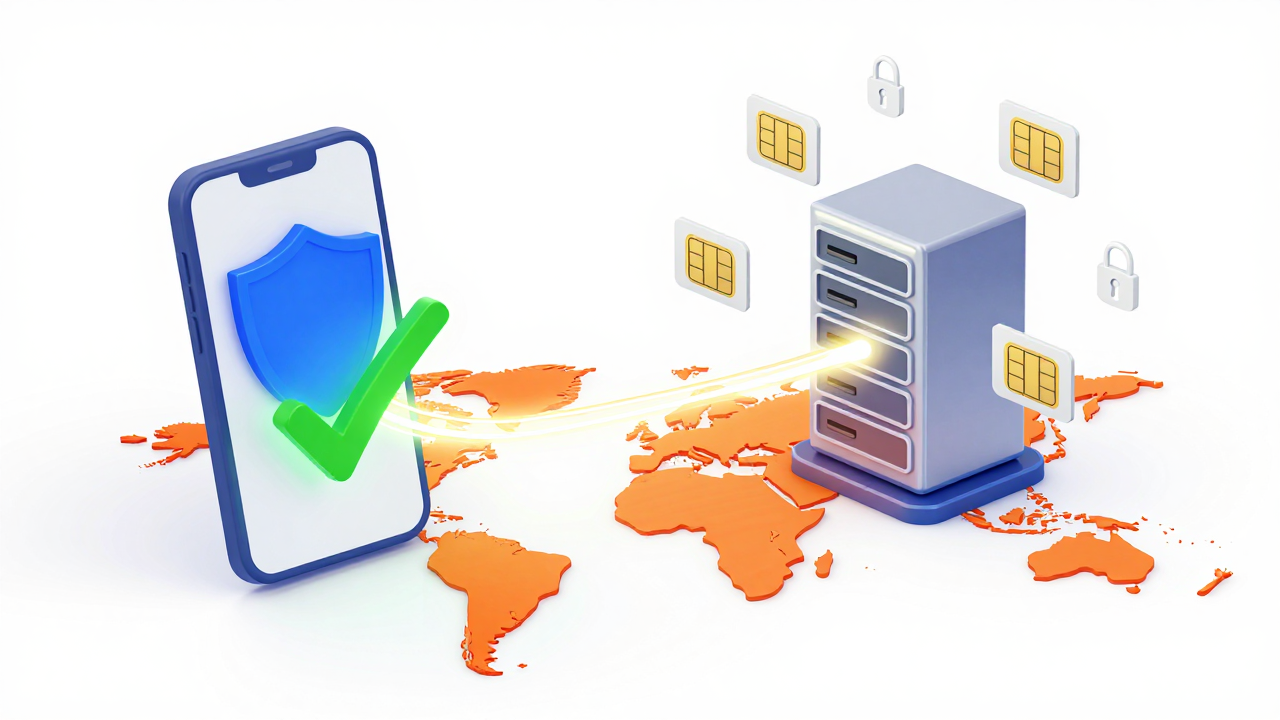
From what I've seen, mainstream shared SMS verification platforms fall into two categories: shared SIM pool models and cloud phone integrated models. The former involves platforms bulk-purchasing physical overseas SIM cards, managing them through hardware gateways, and charging users per number. The latter embeds verification capabilities directly into cloud phone or group control systems—built for studios managing large numbers of accounts simultaneously.
Both approaches have trade-offs. The shared SIM pool model is cheaper and more flexible, but numbers get reused frequently, which can trigger risk controls on stricter platforms. Cloud phone integration offers better stability but usually comes with minimum top-up requirements and device binding—overkill for casual users who only need a number occasionally.
One interesting pattern I've noticed: established cross-border service providers like Getfollow have started deeply integrating verification services with account management tools. They're not just selling numbers—they're offering a complete chain from registration and verification to account warming. The industry calls this a "compliant operations loop," and it genuinely addresses real pain points users face.
Real Pitfalls: The SMS Verification Mistakes We've All Made
Let me share a lesson I learned the hard way. In early 2026, I was helping a client build a WhatsApp marketing account matrix. Trying to save money, I topped up $30 on a small, unknown platform. Within a week, numbers were getting banned left and right, customer support went dark, and my balance vanished into thin air.
Looking back, the diagnosis was obvious: that platform's number pool was almost entirely composed of flagged "blacklisted numbers"—previously used for spam and mass-reported by users. Even if registration succeeded, those accounts never survived past day three.
So here's the rule: when choosing a shared SMS verification platform, price is not the first thing to check. Number pool cleanliness is. How do you evaluate it? Look for transparency about number sourcing, whether they promise "clean number segments," and whether user review mechanisms exist. Industry retention rates in 2026 typically hover between 50% and 70%. If a platform claims "100% success guaranteed," treat that as a red flag for exaggerated marketing.
Another Trap: Number Country Mismatch
Beginners often overlook this one—you're registering on a platform that requires a US number, but the verification platform assigns you a UK one. Both are overseas numbers, sure, but risk control systems check whether the number's country code matches your IP address's geolocation. A mismatch means secondary verification at best, an immediate ban at worst.
Platform algorithms in 2026 are sophisticated. They cross-reference registration age, usage frequency, and country stability across multiple dimensions. That's why reliable shared SMS verification platforms offer country-specific filtering and label each number's real-time status—whether it's been used before and which platforms it supports.
How to Choose a Reliable Shared SMS Verification Platform
Fellow cross-border sellers ask me this almost daily. My answer never changes: test small first, then scale up. Don't load up on a big package upfront. Spend a few dollars testing several numbers—check registration success rates, SMS delivery speed, and how long numbers stay alive.
Here's a practical evaluation framework:
- Number coverage by region: Does the platform cover your target countries, especially high-demand regions like North America, Europe, Southeast Asia, and the Middle East?
- SMS delivery rate and latency: The 2026 industry standard is delivery within 10 seconds. If you're waiting 30 seconds or more, walk away.
- API integration support: For studios and businesses, batch-calling numbers via API is critical. It determines whether your automation workflows can actually run.
- Customer support responsiveness: Verification issues always seem to strike at night or on weekends. If support is a bot or takes over two hours to respond, switch providers immediately.
Platforms like Getfollow have built solid reputations by following this exact playbook—regular number pool cleansing, country-based pool management, and full API support. But I wouldn't recommend blindly following the crowd. Base your decision on your business volume, target markets, and budget.
The Compliance Line for Shared SMS Verification Platforms: Don't Cross It
Time for a reality check. Shared SMS verification platforms are tools—what you do with them is entirely on you. Platform enforcement in 2026 is unprecedented, especially against batch registration, account warming, and marketing automation. The crackdowns are aggressive and frequent.
Many cross-border operators report that accounts registered via verification platforms still get banned if subsequent behavior looks robotic—frequent IP switching, mass friend requests in short windows, or posting promotional content. Verification only solves the "getting in the door" problem. Whether you can "stay" depends entirely on your operational strategy.
My advice: verification platforms solve efficiency in the verification step—they are not a master key for account security. If you're running a matrix operation, pair them with anti-detect browsers, dedicated IPs, and human-like behavior simulation. Every piece of that stack matters.
Where Shared SMS Verification Platforms Are Headed in 2026
Looking at industry trends, shared SMS verification platforms are evolving from "pure tools" into "service ecosystems." Platforms that just sell numbers will struggle to survive. Those offering value-added services—number management dashboards, account monitoring, risk control alerts—will dominate the market.
Pricing is shifting too. With rising costs for physical overseas SIM cards, 2026 verification prices have climbed 30–50% compared to two years ago. If you see a platform still advertising "9.9 for 100 numbers," they're either running a loss-leader play or using a low-quality number pool. Keep that in mind.
One final reminder: every tool has boundaries, and verification platforms are no exception. Used within compliance guidelines, they dramatically boost efficiency. But if you're looking for shortcuts, they can just as easily accelerate your path to a permanent ban. Start small, learn the patterns, then scale your investment. That's the rational approach for cross-border operators in 2026.
I hope this breakdown of shared SMS verification platforms saves you some costly trial and error. If you're already using one of these tools, drop your real experience in the comments—the good, the bad, and the ugly. It's all valuable reference for the industry.
Frequently Asked Questions
What is a shared SMS verification platform and how does it work?
A shared SMS verification platform provides temporary overseas phone numbers that receive text messages for account registration and verification. These platforms maintain pools of physical SIM cards from countries like the US, UK, and Germany, letting users rent a number for a single verification or short-term use without owning an actual SIM card.
Are shared SMS verification platforms safe to use?
Safety depends entirely on the provider. Reputable platforms maintain clean number pools and follow local regulations. However, using these services to create accounts that violate platform terms of service carries inherent risk—including permanent bans. Always test small, evaluate number quality, and understand your own compliance obligations.
Why do my accounts get banned even when I use a verification platform?
Verification is just one signal platforms evaluate. If your account behavior looks automated—rapid IP changes, mass friend requests, or repetitive posting—risk control systems will flag it regardless of how clean the phone number is. Pair verification with realistic operational patterns: stable IPs, gradual activity ramps, and human-like engagement.
How much do shared SMS verification platforms cost in 2026?
Pricing varies by country and platform, but industry rates have risen 30–50% over the past two years due to higher physical SIM card costs. Expect to pay more for high-demand regions like the US and UK. Be wary of extremely cheap offers—they usually indicate low-quality, reused number pools.