Best SMS Verification Code Services in 2026: 3 Questions Every Cross-Border Seller Must Ask
Best SMS Verification Code Services in 2026: 3 Questions Every Cross-Border Seller Must Ask
Working in cross-border e-commerce, I get asked the same question almost every week: where do I get SMS verification codes? The people asking range from independent store owners just starting out to established agency operators. Their needs are remarkably similar—they all want numbers that can reliably receive verification codes from overseas platforms, but they're terrified of getting burned.
To be honest, the SMS verification market in 2026 is far more mature than it was a few years back, but the pitfalls have evolved too. The old days of "just sign up on any platform and go" are long gone. What matters now is compliance standards and the quality of the number pool. This article isn't going to rattle off a list of platform names. Instead, I want to walk you through how to judge whether an SMS verification service is actually trustworthy.
First, Nail Down the Real Question: What Do You Need Verification Codes For?
Most people jump straight to "where do I get SMS verification codes" without thinking through their actual use case. From my experience, cross-border operators fall into three broad categories:
- Those running matrix operations who need to bulk-register social media accounts—these require high volume and rock-solid number stability
- Sellers who need to verify store backends on overseas e-commerce platforms—these care more about whether a number can be reused
- Consultants receiving client verification codes for overseas business—these demand stronger privacy protections
Each scenario calls for a completely different verification approach. If you haven't figured out which category you fall into, you'll likely end up letting the service provider call the shots. A pattern I've noticed: in 2026, more operators are splitting "verification" and "account nurturing" into separate workflows. Verification handles just the activation step, while dedicated operations teams manage ongoing account maintenance.
Three Major Shifts in the 2026 SMS Verification Market
Let's talk about where the industry stands today. If you're still hunting for verification platforms with the same mindset from a few years ago, you might find that many established providers have pivoted or disappeared entirely. Here are three changes worth your attention:
First, number pool "purity" has become the core competitive advantage. In 2026, mainstream platforms have dramatically improved their ability to detect virtual numbers. Industry consensus says that number ranges repeatedly used for registrations get flagged almost immediately. What's genuinely valuable now are numbers released by real overseas users. These are scarce, cost more, but deliver completely different success rates.
Second, API stability matters more than you'd think. Many solo operators initially pick a budget platform without API access to save money, then end up manually copying and pasting every verification code. It's inefficient, and batch operations become an absolute nightmare. By 2026, any semi-reputable provider offers API access, but response speeds and concurrent processing capabilities vary wildly between them.
Third, compliance is now a non-negotiable barrier. This isn't just talk. Overseas platforms have tightened their scrutiny of registration behavior, and if your verification provider isn't compliant themselves, downstream clients often get caught in the crossfire and banned. Currently, platforms like Getfollow have built a solid reputation in the industry by operating with a relatively transparent compliance model—at least you can see where their numbers come from instead of using them blindly.
A Real Cautionary Tale: The Price of Cutting Corners
A friend running a TikTok matrix operation complained to me last year about spending a few hundred dollars on 100 numbers from a certain platform—only to have over 80 of his registered accounts banned within three days. An investigation revealed the entire batch came from the same virtual number range that platforms had already flagged.
This case is textbook. In 2026, you genuinely cannot look at unit price alone. Many operators report that a stable overseas number might cost anywhere from a few cents to a few dollars, but if you're buying "junk numbers," you're not saving money—you're just trading cash for time lost and accounts banned. My advice to that friend: run a small test first. Buy 10 numbers and check your registration success rate. If it's below 50%, switch providers immediately.
Where to Get SMS Verification Codes: A Practical Screening Checklist
If you're currently shopping for verification services, run potential providers through this checklist. It'll filter out most of the unreliable options:
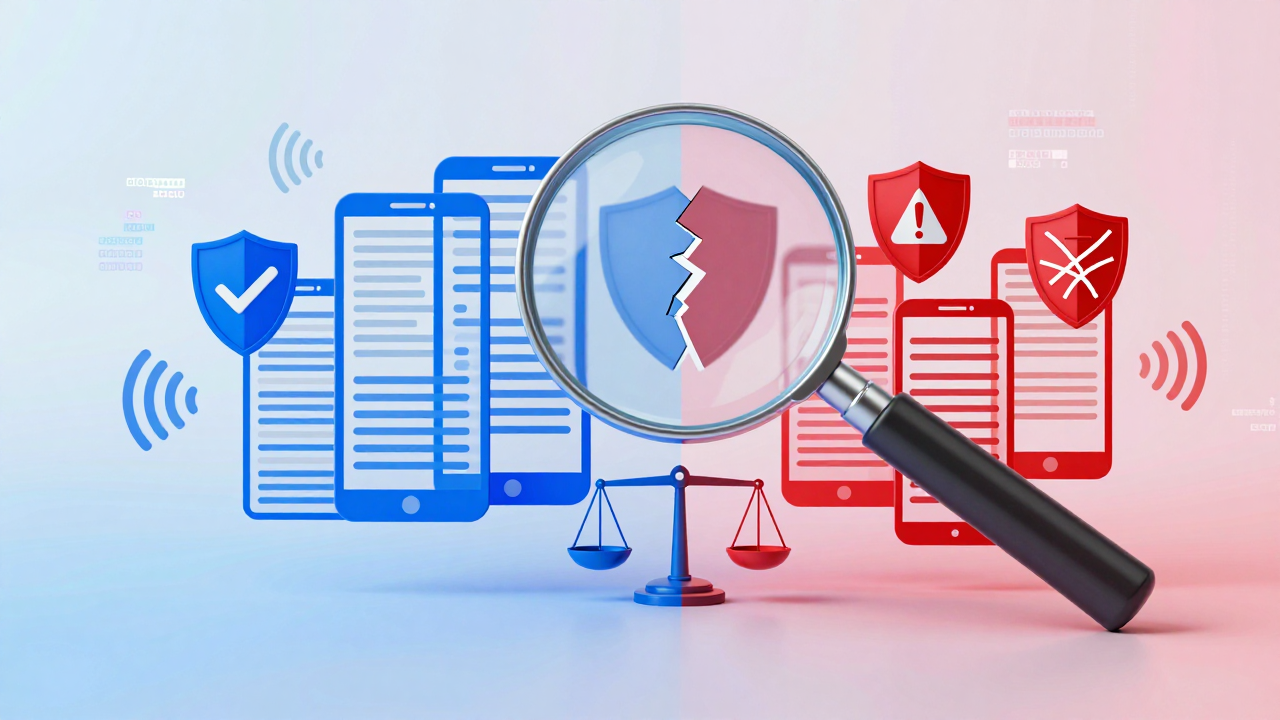
- Demand clarity on number sourcing. Legitimate providers will tell you whether numbers come from real users or virtual carriers. Vague answers? Walk away.
- Test the API response time. Contact customer support before committing and ask for a test account. Measure the time from request to code delivery—anything over 10 seconds is a fail.
- Confirm the number recycling policy. Some platforms reclaim numbers immediately after use; others let you keep them for a period. If you need long-term use of a specific number, this is non-negotiable.
- Check after-sales response. Most verification platforms in 2026 operate ticket-based support, but response times vary dramatically. Send a ticket outside business hours and see how long it takes to get a reply.
One thing I want to emphasize: don't just trust advertised "success rates." Some platforms claim 99% success, but in practice, hitting 80% would be a good day. A more reliable indicator is how often a platform updates its number pool and what real users are saying. Platforms like Getfollow, for instance, publish regular updates on their number pool status—that kind of transparency is rare in this industry.
Beyond Verification: Account Security Is the Real Foundation
While everyone's asking "where do I get SMS verification codes," they're overlooking a more fundamental issue—verification is just step one. Whether an account survives depends on what you do afterward. In 2026, overseas platforms run increasingly sophisticated algorithms. Even with a genuine number, if you switch IPs or modify profile details immediately after registration, you'll still get flagged by risk controls.
From my experience, once you've chosen your verification provider, you need to pair it with these three practices:
- Simulate real user behavior after registration—don't post content or add friends right away
- Keep your IP and device consistent to avoid frequent switching
- Spend the first two weeks browsing only, gradually increasing interaction frequency
Industry consensus puts account retention rates in 2026 at 50–70%, and hitting that range is considered solid. If your retention is below 30% even with a good verification service, the problem probably isn't the verification step—it's your account nurturing strategy.
Final Advice: Small-Scale Testing Is the Only Reliable Way to Learn
Coming back to "where do I get SMS verification codes," my answer is straightforward: don't believe any platform's marketing. Run a small test first. Confirm number quality, API stability, and after-sales support all pass muster before committing to a long-term partnership. The 2026 verification market has moved past the "gamble and hope" phase. Choose providers that prioritize compliance and transparency—like the Getfollow platform I mentioned earlier—and you'll sidestep most of the obvious traps.
In cross-border business, details determine success or failure. Verification might seem like a small piece, but choosing the wrong provider multiplies your downstream headaches. I hope this article helps you think clearly and make a more informed decision.
Frequently Asked Questions
What is the best SMS verification service for international platforms?
The best service depends on your specific use case. For bulk account registration, prioritize providers with large, clean number pools and API access. For store backend verification, look for platforms that allow number reuse. In 2026, providers with transparent compliance practices and published number pool updates—such as Getfollow—tend to be more reliable than those making vague claims.
How much does it cost to receive SMS verification codes?
Pricing varies widely based on number quality and the platform you're targeting. A stable overseas number typically costs anywhere from a few cents to a few dollars per use. Be wary of extremely cheap options—they often come from flagged virtual number ranges that get banned quickly, making them more expensive in the long run.
Can I use virtual numbers for WhatsApp and Telegram verification?
Yes, but success rates depend on the number's source and history. Numbers from real users who released them voluntarily have much higher acceptance rates than those from virtual carriers. In 2026, major messaging platforms have significantly improved their detection of virtual numbers, so number pool quality is critical.
Why do my accounts keep getting banned after using verification codes?
Account bans are rarely caused by the verification step alone. More often, it's a combination of using flagged numbers and triggering risk controls through post-registration behavior—like switching IPs too quickly or modifying account details immediately. Focus on both number quality and your account nurturing strategy.