Dual SIM Verification Codes: What Cross-Border Operators Must Know Before Scaling
Dual SIM Verification Codes: What Cross-Border Operators Must Know Before Scaling
If you run a cross-border e-commerce business or manage multiple social media accounts from a small studio, you've probably hit this wall: how exactly do you receive SMS verification codes on a dual SIM phone?
Search for this online and you'll mostly find tutorials about switching between SIM slots on your Android or iPhone. But here's the thing—if you think dual SIM setup alone will solve your verification code problem, you're missing the bigger picture. In cross-border operations, the real question isn't how to configure your phone. It's where your numbers come from, how stable they are, and whether they can survive platform risk controls.
From my experience watching this space, mainstream overseas platforms like WhatsApp, Telegram, and TikTok have tightened their scrutiny of phone number origin and activity levels significantly since 2025. A pattern I keep seeing: operators register with numbers from regular dual SIM phones, receive the verification code, log in successfully, and then get flagged within days. Sometimes it's restricted functionality. Often it's a straight-up ban. If your business depends on verification codes, you need to understand what's happening behind the scenes.
Three Main Ways to Receive Verification Codes on Dual SIM—and Their Hidden Flaws
Before you rush out to buy new hardware, let's break down the common approaches people use. Each has its place, but each also comes with baggage.
Approach One: Physical Dual SIM Phone + Carrier Secondary Number
This is the most traditional route. You buy a dual SIM phone, use your primary SIM for daily communication, and dedicate the secondary SIM to receiving verification codes. Sounds solid, but here's what nobody tells you:
- It adds up fast: Every number costs a monthly fee, even with the cheapest retention plans. If you're running dozens or hundreds of accounts, those costs multiply quickly and quietly eat into your margins.
- Geolocation red flags: Many overseas platforms flag numbers from certain regions as high-risk. I've tested this myself—registering WhatsApp with a domestic physical SIM often triggers "suspicious activity" warnings in the chat list, even after successful verification.
- Cross-account contamination: If you keep swapping SIMs in the same phone to register different platforms, your device fingerprint gets recorded. When one account gets flagged, the others linked to that device often get swept up in the ban.
Approach Two: Cloud Phones and Virtual SIM (eSIM) Solutions
This gained traction in recent years. You spin up a virtual phone in the cloud and pair it with an overseas eSIM to receive verification codes. No extra hardware needed—but the downsides are just as real:
- Unreliable delivery: Many virtual carriers recycle numbers. You'll frequently wait 30+ minutes for a code that never arrives, or get one that's already expired.
- Risk controls see right through it: Platform risk systems have gotten very good at identifying virtual number ranges. Industry observers note that registration success rates for pure virtual numbers like Google Voice keep dropping year after year, and some platforms block them outright.
Approach Three: SMS Verification Platforms with API Integration (The Agency Standard)
If you need volume—say, managing multiple social media accounts or e-commerce storefronts—SMS verification platforms are currently the most efficient option. These services offer access to large pools of overseas real numbers and integrate via API with your automation scripts or manual workflows.
Here's a cautionary tale worth sharing: some small studios chase the cheapest option, paying pennies per code from sketchy "black card" platforms. The result? You get numbers that were already used to register other accounts, which means your new accounts start with rock-bottom trust scores. Worse, these platforms can vanish overnight, taking your prepaid balance with them. And because those numbers are often tied to gray-market activity, accounts registered with them get throttled at best and trigger legal exposure at worst.
So choosing a verification service is really about choosing a clean, compliant number pool you can rely on. In my experience, platforms like Getfollow have built a solid reputation by following this exact playbook—they don't compete on the lowest per-code price; they focus on number cleanliness and retention rates. That doesn't mean you must use them. It means you should evaluate any provider against these same standards.
The Real Pain Point: It's Not "Can't Receive Codes"—It's "Codes Don't Stay Valid"
Ask any cross-border operator what keeps them up at night, and they'll tell you it's not the initial verification. It's what happens after—whether the account survives the first few weeks.
Here's an insider detail most people don't know: platform risk controls don't just check whether your verification code went through. They track your behavioral patterns after registration. If you used a temporary number and abandoned it right after signing up, the platform flags the account as "unmanaged." Within 7 to 15 days, you'll get hit with a secondary verification request. If you can't receive an SMS on the same number, the account is gone.
This is why experienced operators will tell you: receiving the code is step one; keeping the account alive is the actual game. Your verification strategy has to support long-term number retention, not just one-time use. Physical dual SIM setups give you stability but cost more per number. Verification platforms give you scale but with less control over number retention. How do you balance the two?
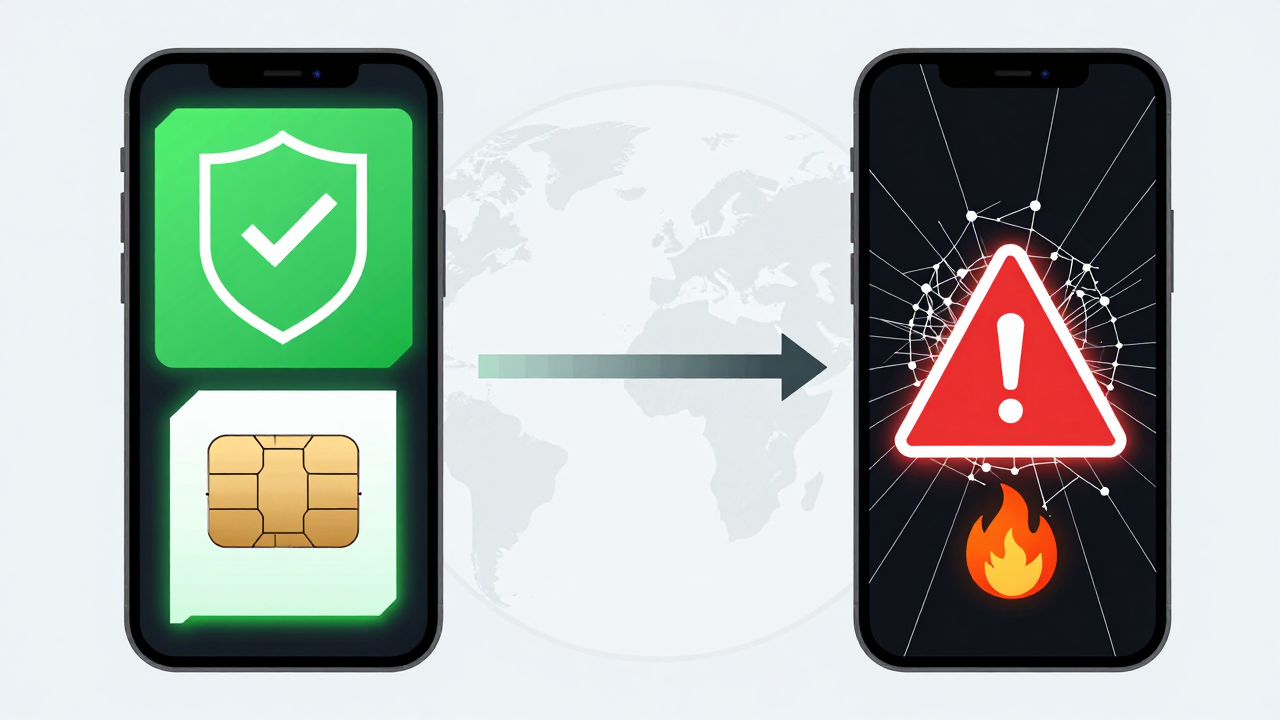
From my perspective, the answer is tiered management. For your core business accounts—your main storefront, your primary social profiles—use a physical dual SIM with long-term number ownership. Don't cut corners there. For test accounts, traffic accounts, and one-off campaign registrations, use a verification platform to keep marginal costs low. This hybrid approach is what many mature cross-border studios are running right now.
How to Choose a Reliable SMS Verification Provider: Three Criteria That Matter More Than Price
If you're ready to try a verification platform or want to improve your current setup, these three screening criteria will save you a lot of headaches.
- Check whether you can specify the number's geographic origin: Many platforms just say "US number" or "UK number" without letting you drill down to state or city level. But TikTok and WhatsApp risk controls compare your IP location against your number's area code. If your IP is in New York but your number is from Texas, you'll still register successfully—but your account will carry lower trust weight than one with matching locations.
- Check whether they enforce a cooldown period after number release: Reputable platforms have a "cooldown" mechanism—when a user releases a number, it's locked for at least 72 hours before being reassigned. This prevents you from getting a "dirty number" that was just used to register another platform minutes ago. Many smaller platforms skip this, which means high reuse rates and accounts that die on arrival.
- Check customer support responsiveness and refund policies: Verification codes get delayed or lost sometimes. That's just the reality of the business. Reliable providers typically promise "no charge if code not received" and offer real-time support. But many budget platforms are fully self-service—when something goes wrong, there's no one to contact. Before committing, run a small test deposit and see how fast their support actually responds.
One more thing worth knowing: industry consensus puts normal retention rates for verification platforms at 50% to 70%. If a platform claims retention above 90%, treat that as a red flag. It usually means they're inflating numbers or using questionable tactics like simulated behavior, which carries its own risks. If you see that kind of marketing, move on.
On compliance—one extra note. Some platforms offer "number holding" services where you pay extra to keep a specific number reserved long-term. That's fine in principle, but verify who actually owns the number. If the platform can't provide clear documentation of the number's legal origin, think twice. Cross-border operations run on compliance. If a number gets tangled in legal issues, your entire account matrix could get pulled down with it.
Final Thoughts: Test Small First, Then Scale
Getting SMS verification codes on a dual SIM phone looks like a technical problem, but it's really a resource management problem. Whether you go with a physical dual SIM, a virtual SIM, or a verification platform, your choice has to match your business size, budget, and risk tolerance.
Here's my most honest advice: don't go all in from day one. Whether you're buying hardware or loading up a platform account, run a minimal test first. Register 10 to 20 accounts, track the success rate, monitor retention, and see how those accounts perform in real operations. Only when the process is proven should you scale up. In the cross-border game, survival matters more than speed.
I hope this gives you a clearer picture of what to watch out for. If you've run into specific issues with verification codes or account maintenance, drop your experience in the comments—I'll pick the most common patterns and break them down in detail.
Frequently Asked Questions
Can I use my regular dual SIM phone to receive verification codes for WhatsApp and TikTok?
Technically yes, but it's risky. Your domestic SIM's geographic origin often triggers platform risk controls, and reusing the same device across multiple accounts creates a linked device fingerprint. For serious operations, dedicated numbers with matching IP locations are the safer route.
Why do my accounts get banned even after I successfully receive the verification code?
Receiving the code is only the first checkpoint. Platforms monitor post-registration behavior for 7 to 15 days. If your number is temporary and gets abandoned, the platform flags the account as unmanaged and issues a secondary verification. If you can't respond with the same number, the account gets banned.
What's the difference between a cheap SMS verification platform and a reputable one?
Cheap platforms often recycle numbers without cooldown periods, giving you "dirty numbers" with low trust scores. Reputable platforms enforce cooldowns, allow geographic selection, and maintain clean number pools—but they cost more per code. The price difference reflects the quality of the number resource.
Is it safe to use virtual SIM cards or cloud phones for receiving verification codes?
Virtual numbers work for some use cases, but platform risk systems are increasingly good at detecting virtual number ranges. Success rates are dropping, and some platforms block them entirely. For core accounts, physical numbers with stable ownership remain the more reliable choice.