SMS Verification Code Services: The Hidden Backbone of Cross-Border Business
SMS Verification Code Services: The Hidden Backbone of Cross-Border Business
Most cross-border operators hit the wall with SMS verification services the same way: you're trying to register on an overseas platform, and your personal phone number simply won't receive the code. I've been there myself—spent an entire afternoon wrestling with a foreign tool site registration, only to realize the problem wasn't my network but the fact that my number had been flagged by the platform's risk controls. When I compared notes with friends in cross-border e-commerce, nearly everyone admitted to going through the same evolution—from "let me just try any random SMS platform" to "I need to carefully vet a long-term partner." The tuition fees paid along the way range from a few hundred to tens of thousands of dollars.The Real State of the SMS Verification Industry: Where Compliance Meets the Gray Zone
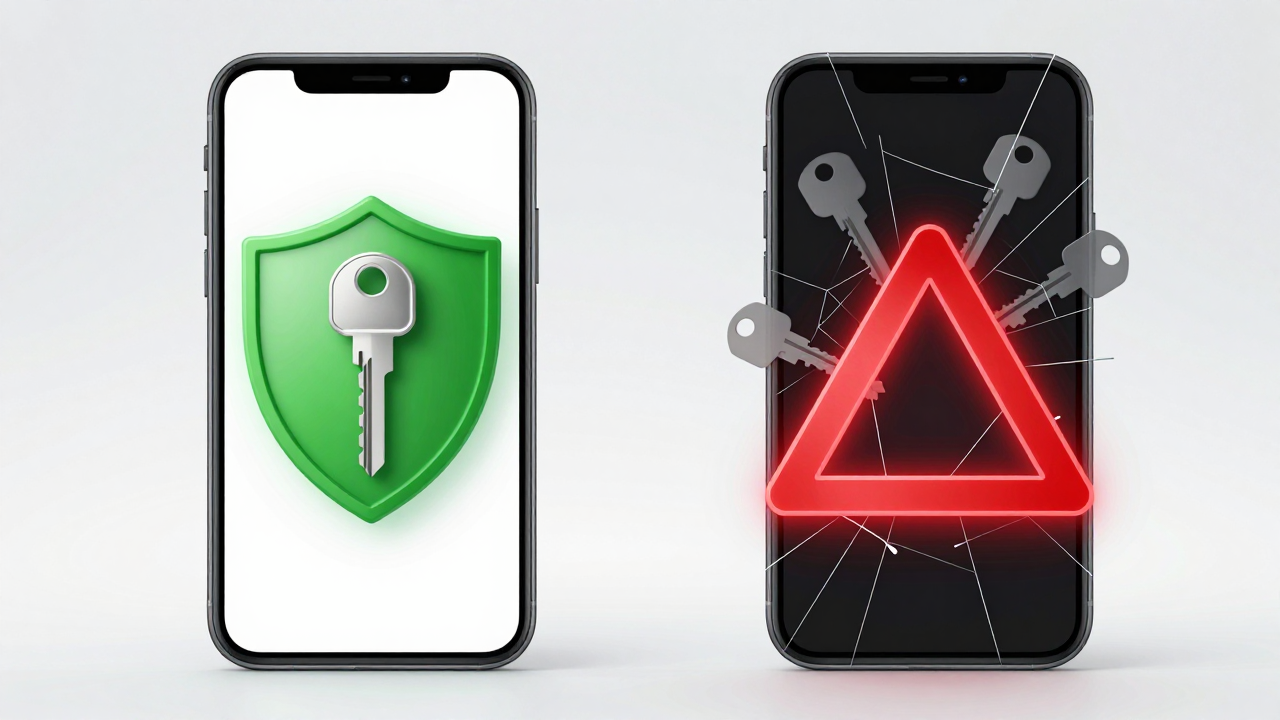
Let's cut to the chase: SMS verification code services are neutral tools, but the industry is a mixed bag, and the security standards of providers vary wildly. Many cross-border professionals report that the cheap platforms flooding the market rely on a "card pool" model—bulk SIM card farming, bulk code reception—resulting in inconsistent number quality. You'll often see verification codes that never arrive, or codes that work for registration but get your account banned shortly after. The core problem with this model is that numbers get recycled so heavily that platform risk systems easily flag the abnormal behavior. Worst case? Your main account gets linked and permanently banned. Industry consensus is clear: after 2025, major overseas platforms—especially Amazon, TikTok, and the Google ecosystem—have significantly upgraded their registration risk controls. Simply "receiving a code" no longer cuts it. Number purity, geographic origin, usage history, and even the IP environment during registration all impact your account's long-term survival rate. One detail I've noticed: seasoned operators always ask one crucial question when vetting a provider—"Are the numbers dedicated or shared?" That question matters far more than price. Dedicated numbers typically see a 50–70% account retention rate, while shared pool numbers can drop below 20%. That gap directly determines how much time you'll burn nurturing accounts.Real-World Lessons: What a Failed SMS Verification Experience Taught Me
Last year, a friend running a dropshipping site shared his cautionary tale. To mass-register social media accounts for traffic, he went cheap—a platform charging fractions of a cent per code. He registered 50 accounts; over 40 were banned the same day, and the survivors died within three days. Worse, two of those accounts were tied to his business email and payment details, which put his entire domain on the platform's watchlist. Even his legitimately registered accounts later got caught in the crossfire. When he reviewed what went wrong, he found the platform was using recycled number segments with scrambled geographic data—some numbers even traced back to obscure African countries. The platform's risk system flagged them instantly. The takeaway for me: SMS verification services aren't just selling you "a string of digits"—you're buying the credibility of the environment behind that number. Platforms with solid reputations in the industry right now, like Getfollow, operate on exactly this principle: numbers allocated on demand, with emphasis on purity and geographic matching rather than sheer volume. I'm not telling you to go sign up for any specific provider, but I strongly suggest treating these three criteria as non-negotiable when vetting a service: whether the number resources are compliant, whether dedicated numbers are available, and whether there's a clear refund or compensation policy.How to Choose a Reliable Provider: Four Dimensions That Keep You Out of Trouble
Since the search intent here is transactional, let's get straight to the decision framework. Based on my hands-on experience and feedback from peers in the cross-border space, evaluate any SMS verification provider along these four dimensions: - **Number Purity**: Ask directly whether numbers are dedicated or shared. Dedicated numbers yield higher registration success rates and are far less likely to trigger two-step verification. - **Geographic Matching**: Register on a platform in a specific country? Use a number from that same country. Cross-region registration is a red flag for risk systems. - **Support Response Speed**: If a code doesn't arrive, does the platform offer real-time resend or refund? Many small players offer zero support here. - **Billing Transparency**: Watch for hidden fees. Is it "pay only on successful verification" or "pay on receipt regardless"? This directly impacts your testing costs. The safest play, echoed by many in the industry, is to run a small-scale test before committing long-term. Spend a few dozen dollars on a small package, test registration success rates and account survival on your target platforms, and only then scale up. It sounds conservative, but it'll save you from 90% of the pitfalls. SMS verification is a textbook case of "you get what you pay for"—suspiciously cheap platforms almost always cut corners on number quality and after-sales support.Risk Warning: Know the Boundaries and Stay Compliant
Time for a reality check: SMS verification services are only for legitimate, compliant use cases—registering your own overseas business accounts, testing applications, receiving notification codes, and similar scenarios. If you're planning to mass-register accounts for black-hat operations, fake engagement, or malicious account farming, you'll not only lose those accounts but could also face legal consequences. There's an unwritten rule in the industry: reputable providers explicitly prohibit abusive use in their terms of service. Platforms like Getfollow even review your intended use case during signup—that's protection for both sides. You also need to confront the long-term retention issue. Even if you successfully register with a dedicated number, future login verifications and password resets may still depend on that number. My advice: for important accounts, bind your own physical phone number. SMS verification services are better suited for one-time verifications or batch testing scenarios. I've seen more than a few cross-border studios use temporary numbers as the primary binding for main accounts—then the number expires, the platform demands two-step verification, and the account becomes unreachable. That's a lesson every operator should internalize.Final Thoughts: SMS Verification Isn't a Magic Key
SMS verification code services are a small cog in the cross-border machine, not a magic key. They clear the registration hurdle, but whether your account survives depends on your operational strategy and content quality. The teams that go the distance treat SMS verification as a tool for validation, not a crutch for account farming. They invest their energy in product and service excellence rather than playing cat-and-mouse with platform risk controls. If you're currently evaluating providers, my advice is simple: define your use case first, filter candidates through the four dimensions above, and always run a small-scale test before committing. Remember, a trustworthy provider welcomes your testing—it's the shady ones who hope you never ask questions. That alone is a solid filter for separating the wheat from the chaff. I hope this guide helps you navigate the SMS verification landscape with fewer detours. If you've got your own experiences, drop them in the comments—let's make this industry a little clearer for everyone.Frequently Asked Questions
What is the best SMS verification service for cross-border business?
The best service depends on your specific use case, but the most reliable providers share common traits: dedicated numbers, geographic matching, transparent billing, and responsive support. Prioritize platforms that let you test small packages before committing to larger volumes.
Why do my SMS verification codes never arrive on free platforms?
Free or ultra-cheap platforms typically recycle numbers from shared pools, which platforms like Amazon and Google have already flagged. Your code may be intercepted, delayed, or blocked entirely because the number's reputation is compromised from prior abuse.
Can I use SMS verification services for WhatsApp or Telegram registration?
Yes, but with caution. Messaging apps have aggressive anti-spam systems. Using a dedicated number from the same region as your target platform significantly improves your chances, but always test with a small batch before scaling up.
Are SMS verification services legal?
The services themselves are legal when used for legitimate purposes like registering your own accounts or testing applications. Using them for fraudulent activities, mass account farming, or black-hat operations is illegal and violates platform terms of service.
How do I avoid getting my accounts banned after using SMS verification?
Use dedicated numbers, match the number's region to the platform, and avoid registering multiple accounts from the same IP address. Most importantly, don't rely on temporary numbers for primary account binding—use your own physical number for accounts you plan to keep long-term.