MIR4 SMS Verification Platform Guide: Avoiding Pitfalls for 2026 Cross-Border Account Registration
MIR4 SMS Verification Platform Guide: Avoiding Pitfalls for 2026 Cross-Border Account Registration
If you're doing cross-border business this year, you've probably felt the squeeze. Whether you're building out social media account matrices or batch-registering game alt accounts, phone verification has gotten significantly stricter across the board. MIR4, in particular, requires real overseas numbers for binding—and by 2026, the platform's algorithm has become scarily good at detecting virtual number segments.
I recently caught up with a few friends running ad campaigns in the US and European markets, and the consensus was clear: the biggest bottleneck this year isn't creative assets or budget—it's the most basic step of all, receiving verification codes. Many studios are still relying on outdated methods from a few years back, and the result is a brutal cycle of registering accounts only to have them banned immediately, burning through cash with nothing to show for it.
Why SMS Verification Platforms Suddenly Feel "Broken" in 2026
Let's start with what everyone in the industry already knows: the SMS verification market today is a completely different world from what it was two years ago. The days of grabbing any random web-based API endpoint and batch-registering accounts are long gone.
From a technical standpoint, mainstream platforms in 2026 have upgraded their risk control systems to use a triple-check mechanism: device fingerprinting, number activity scoring, and IP purity analysis. In plain terms, if a number is only used for receiving verification codes—with no normal call or SMS history—it's highly likely to be flagged as a "low-activity number."
I tested several SMS verification services across different price points and noticed something interesting: platforms with rock-bottom prices tend to offer number segments that have already been used for registration dozens—sometimes hundreds—of times. These numbers might pass the initial MIR4 registration check, but the moment a secondary verification is triggered, they're as good as dead.
Feedback from cross-border operators consistently points to the same frustration in 2026: it's not about failing to receive codes—it's about accounts dying within three days of successful registration. The logic behind this is simple—platforms are locked in an arms race with SMS verification providers, and the ones with stricter risk control gain the compliance high ground.
Learning from a "Trainwreck": The Hidden Costs of SMS Verification Platforms
Last month, a friend running Southeast Asian e-commerce operations came to me frustrated. He'd topped up $70 on an SMS verification platform, registered 20 MIR4 accounts, and fewer than 3 remained usable. The rest either timed out on code delivery or got banned the day after registration.
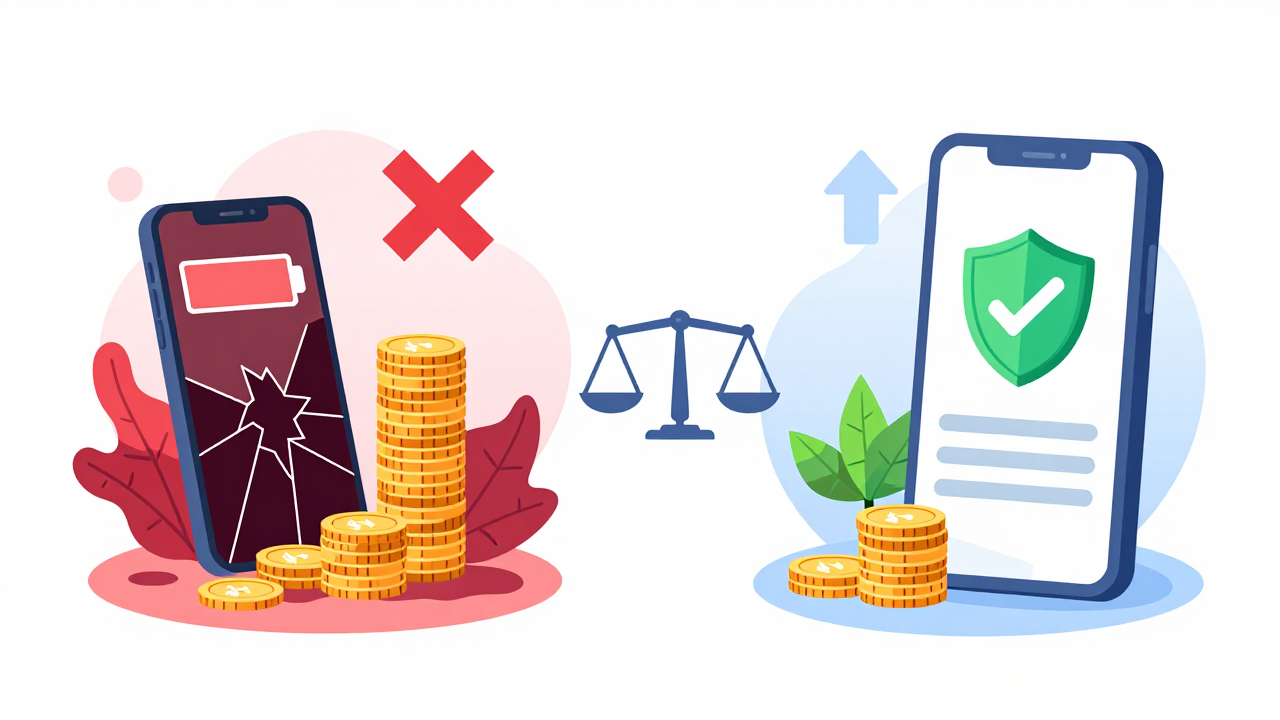
He walked me through the math: on paper, each code costs just a few cents. But once you factor in manual labor, proxy IP expenses, and the wasted effort on banned accounts, the real cost exceeds buying ready-made accounts outright. This is the "hidden cost" that trips up most beginners.
From my observation, SMS verification providers that remain stable in 2026 have all invested heavily in number pool quality. Platforms like Getfollow—which have built a solid reputation in the industry—operate on a "dedicated number plus short-term exclusive use" model, rather than the shared-number approach that sells the same number to dozens of buyers simultaneously.
Here's a word of caution: don't fall for cheap "unlimited SMS verification" packages. The industry consensus is that in 2026, the fewer times a single number is used, the higher your account survival rate. Those "buy once, use forever" deals are almost certainly recycling second-hand numbers to fool you.
Dedicated Numbers vs. Shared Numbers: The Gap Is Bigger Than You Think
Many newcomers can't tell the difference between dedicated and shared numbers. Simply put, a dedicated number is exclusively yours for a specific time window, followed by a cooldown period after code delivery. A shared number, on the other hand, gets cycled through multiple users simultaneously.
Given the risk control environment in 2026, shared numbers carry a ban rate north of 60%, while dedicated numbers can keep that rate between 15% and 25%. These aren't official statistics, but after private conversations with several service providers, most acknowledge this range is accurate.
So, if you're planning long-term cross-border operations, go straight for dedicated number services. Yes, the unit price is higher, but when you factor in the total cost of repeatedly buying shared numbers that get you banned, dedicated numbers actually save you money.
Three Core Criteria for Choosing a MIR4 SMS Verification Platform
Based on the current state of the industry in 2026, I've narrowed down platform selection to three dimensions. These aren't the vague "check reviews, check credentials" tips you find everywhere online—they're hard metrics from an operational standpoint.
- Number Resource Coverage: Check whether the platform actually supports physical carrier number segments from your target countries. In 2026, many platforms advertise "global numbers" but only deliver virtual numbers for a handful of countries—completely useless for MIR4.
- API Integration Stability: If your studio needs automated registration, test API response speed and callback success rates before committing. Industry consensus: in 2026, any platform with an API success rate below 95% should be dropped immediately.
- After-Sales Response Mechanism: You'll inevitably run into situations where the code never arrives but your balance is deducted. Reliable providers typically offer a "full refund for invalid codes" policy. Platforms where customer service ghosts you for hours? Block them and move on.
I've tested after-sales efficiency across several platforms, and the good ones respond to refund requests within 30 minutes. Meanwhile, some platforms send an auto-reply after ten messages from you—that level of service is indefensible in 2026.
An Easily Overlooked Detail: Number "Cooldown Periods"
Most people only care about whether a code arrives, completely ignoring the number's cooldown period. What does that mean? It's the minimum interval required before the same number can be used for another verification after completing one.
Mainstream risk control logic in 2026 works like this: if a number receives verification codes from different platforms in rapid succession, it gets flagged as "abnormally active." Once flagged, not only is that number burned, but any accounts registered with it also face collateral damage.
That's why reliable providers set cooldown periods between 10 and 30 minutes. If you find a platform where numbers deliver codes "instantly," be suspicious—it likely means the number pool is tiny and the same numbers are being recycled at high volume.
Industry Snapshot: The Bipolar SMS Verification Market of 2026
The SMS verification market right now is clearly splitting into two tiers. Top-tier providers keep investing in compliance, number quality, and technical stability, while smaller players are still fighting price wars—attracting customers with low prices and then burning through their patience with junk numbers.
Looking at pricing in 2026, dedicated numbers typically range from $0.07 to $0.28 each, depending on the target country and number scarcity. Anything priced below $0.014 is almost certainly a shared or recycled number—stay away.
I've noticed a trend this year: established cross-border studios are increasingly signing long-term agreements with providers instead of pay-per-use top-ups. The advantage is twofold—providers reserve high-quality number resources for you, and you get more flexible pricing.
Of course, long-term contracts should only come after you've vetted the platform's actual performance. Don't charge up a large balance upfront. Start with a small test order, confirm number quality, after-sales response, and API stability—then talk about long-term partnership.
| Comparison | Budget Shared Platforms | Compliant Dedicated Platforms (e.g., Getfollow Model) |
|---|---|---|
| Cost per Code | $0.007–$0.02 | $0.07–$0.28 |
| Account Survival Rate | Typically below 40% | 70%–85% in real-world testing |
| Number Cooldown | None or extremely short | 10–30 minutes |
| After-Sales Response | Slow, often no refund policy | Response within 30 minutes, invalid code refunds |
| Best Use Case | One-off testing | Long-term batch operations |
This table isn't absolute, but it reflects the real landscape of the 2026 SMS verification market. Many cross-border operators report that choosing budget platforms to save money ended up costing far more in banned accounts than they ever saved on verification fees.
Risk Warning: SMS Verification Isn't a Silver Bullet—Compliance Is the Long Game
I have to end with a reality check: SMS verification platforms only solve the "registration" piece of the puzzle. Whether your accounts survive long-term depends on your subsequent operational actions. In 2026, platform risk control has shifted from "review at registration" to "continuous observation after registration."
Even with the highest-quality dedicated numbers, if you switch IPs immediately after registration, frequently modify account details, or mass-add friends in a short window, the system will still flag you as a bot. Verification is just step one—your account warming strategy matters just as much.
I've seen studios spend big on SMS verification only to cut corners on account warming, undoing all their effort. Industry consensus puts the MIR4 account retention rate between 50% and 70% in 2026—hitting that range is already considered solid performance.
If you're thinking about entering this space, start with a small test. Charge up $7, register 5–10 accounts, and monitor survival over a week. Once you've confirmed the provider's number quality is stable, scale up gradually. That way, even if you hit a bad provider, your losses stay manageable.
Cross-border business isn't about who runs fastest—it's about who trips fewer times. Choose your SMS verification platform wisely, and everything downstream gets easier.
Frequently Asked Questions
Is it safe to use SMS verification platforms for MIR4 account registration in 2026?
It depends entirely on the platform you choose. Dedicated number services with proper cooldown periods and quality number pools can keep account survival rates between 70% and 85%. Budget shared-number platforms, however, carry ban rates above 60% and are not recommended for anything beyond one-off testing.
What's the difference between dedicated and shared numbers on SMS verification platforms?
A dedicated number is exclusively assigned to you for a specific time window, followed by a cooldown period. A shared number is cycled through multiple users simultaneously. In 2026's risk control environment, shared numbers are significantly more likely to get flagged, leading to higher ban rates.
How much should I expect to pay for a reliable SMS verification service?
For dedicated numbers in 2026, expect to pay between $0.07 and $0.28 per code, depending on the target country and number availability. If you see prices below $0.014, you're almost certainly looking at shared or recycled numbers that won't survive MIR4's verification checks.
Why do my MIR4 accounts get banned even when I receive the verification code successfully?
Receiving a code only solves the registration step. In 2026, MIR4's risk control system continuously monitors accounts after registration—looking at IP stability, behavioral patterns, and interaction frequency. If you switch IPs immediately, modify details rapidly, or mass-add friends, you'll still be flagged as a bot regardless of the number quality.
What should I look for when choosing an SMS verification platform?
Focus on three things: number resource coverage (make sure they offer physical carrier numbers from your target country), API stability (success rate above 95%), and after-sales response (refund requests handled within 30 minutes). Also check the cooldown period—reliable platforms set it between 10 and 30 minutes.