2026 SMS Verification Pricing: A Cross-Border Budgeting Guide
2026 SMS Verification Pricing: A Cross-Border Budgeting Guide
From my experience, many teams get blindsided by the hidden costs of SMS verification during account registration. The line item for "SMS codes" looks cheap on a budget sheet, but the final invoice is often several times higher. If you are handling procurement for a cross-border business or a lean startup, you need a deeper strategy than just chasing the lowest price per message.
The Bottom Line: Calculate "Effective Cost Per Valid Number"
If you are still making procurement decisions based on "price per SMS" in 2026, you are setting yourself up for failure. What actually impacts your budget is how long the number survives, whether it can handle a second verification, and if you can swap it if flagged. Unit price is just surface noise; the true metric for cross-border procurement is the cost per valid, working number.
Consider an Indonesian e-commerce registration project:
- Channel A: $0.08 per SMS. Number pool dies in under 2 hours. The registration fails before store verification is complete, forcing a new payment.
- Channel B: $0.25 per SMS. Stable number pool. Higher success rate on the first attempt.
On paper, Channel A is cheaper. In reality, Channel B has a much lower effective cost per valid number because you aren't paying for failures.
Budgeting for Cross-Border Teams: Don't Treat Verification as Just a Consumable
Cross-border teams I work with tend to separate SMS verification budgets into "registration costs," completely siloed from account operations and ad spend. This approach is outdated for 2026. Your SMS channel directly impacts the probability of your accounts being flagged by risk control, which in turn affects whether your ad budget can even be spent.
A practical approach is to fold SMS costs into your overall Customer Acquisition Cost (CAC). A single account goes through multiple stages: resending codes, swapping numbers, re-registering, and warming up. If you only calculate the cost of the first SMS, you are severely underestimating your total expenditure.
Industry Snapshot 2026: Price Transparency is Accelerating Channel Tiering
In 2026, many SMS verification providers are breaking down their quotes into detailed line items: shared pools, dedicated pools, specific carriers, API direct connections, and OTP support. The gap in pricing between these tiers is massive. The "flat monthly fee" model is dying, replaced by per-project, per-country, and per-channel billing.
Industry observers note that price transparency isn't just about lowering costs; it's about matching different risk levels to different price points. If you don't understand the difference between a shared pool and a recycled number, a detailed quote is just a list of confusing numbers.
Three Hidden Costs Eating Your Procurement Budget
Don't let hidden costs destroy your bottom line. Here are the top three budget killers we see:
| Hidden Cost | Description | Impact |
|---|---|---|
| Number Recycling | Shared pool numbers are resold. Codes are intercepted or numbers die before use. | Accumulated resend fees. |
| Risk Control Re-registration | Cheap channels have high latency and flagged numbers, triggering platform bans. | Labor and time costs exceed SMS costs. |
| Billing Method Traps | Charging per "request" vs. per "successful delivery." | Actual costs can exceed budget by over 30%. |
A real example: A solo developer in Southeast Asia focused on social commerce. They asked only for the unit price. The provider charged per "request," and network jitter caused repeated retries. The first month's SMS bill was nearly 50% higher than planned.
Block Risks & Retention Rates: Cheap Pools Can't Save You
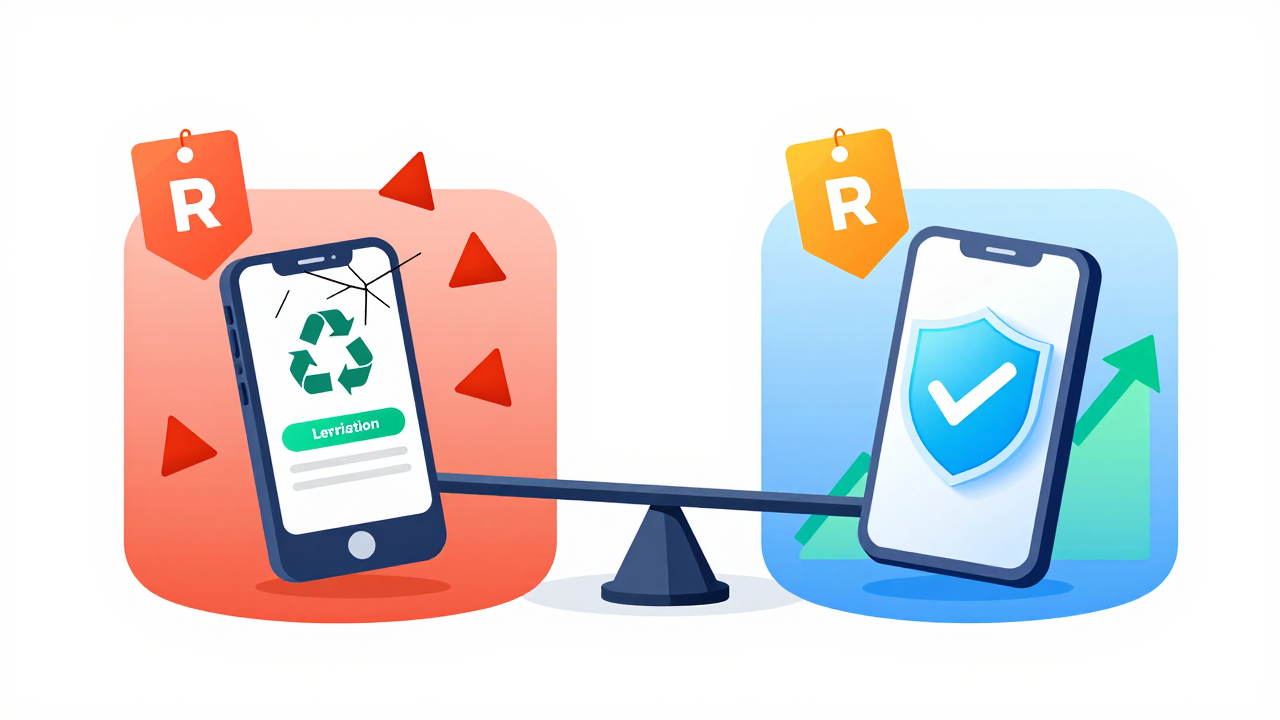
In 2026, platform risk controls are granular. They check number reputation, receiving latency, and frequent device changes. While cheap channels might successfully receive an SMS, the accounts created from those numbers often have terrible retention.
From my experience, industry retention rates usually hover around 50% to 70%. However, accounts sourced from low-cost shared pools can drop below 30% in the first week. The time spent appealing bans destroys team morale. Always keep a "buffer fund" in your budget; do not dump your entire allocation into the cheapest channel.
How to Choose a Provider Without Getting Burned
Don't just look at the price table. Look for a provider willing to explain their pool type, recycling period, and failure retry rules clearly. Platforms like Getfollow operate with a clear compliance logic, separating SMS verification from account retention rather than just selling a one-off code.
Most importantly, run a small pilot test. Request 10 to 20 test numbers for your target countries. Monitor delivery time, number lifespan, and the ability to receive a second SMS (OTP). Test data is more reliable than any sales promise.
Frequently Asked Questions About SMS Verification Pricing
How are SMS verification services typically priced in 2026?
Typically, billing is per SMS, per project number pool, or per API call. Low-cost shared pools can cost pennies, but they have short lifespans. Dedicated pools and specific carrier routes cost more. Smart procurement teams budget based on "effective cost per valid number," not unit price.
What is the biggest mistake buyers make with SMS verification services?
The biggest mistake is buying the cheapest option without testing. Number recycling and high latency trigger platform bans. Ask your provider for a small batch of test numbers before making a large deposit.
How do I find a reliable SMS verification provider?
Look for three things: clear labeling of pool types and recycling periods, support for your target country's carriers, and a clear policy on failed deliveries and billing. Platforms like Getfollow are a good benchmark because they separate the cost of the SMS from the operational logic of account retention. Also, ensure they are willing to accept small-batch testing.
I am a small team with a limited budget. How should I allocate funds?
Focus on 1 to 2 core target countries first. Do not spread your budget too thin. Allocate about 30% of your budget to testing the channel's stability. Then, keep 10% to 15% in reserve as a buffer for resending codes and swapping numbers.
So, when it comes to SMS verification pricing transparency in 2026, the goal isn't to buy the cheapest SMS. You are buying a predictable, traceable account lifespan. Test small, analyze the data, and then commit to a long-term partnership. That is how you truly protect your cross-border procurement budget.