Is SMS Shared Verification Code Safe? Insider Truths Cross-Border Pros Won't Tell You
Is SMS Shared Verification Code Safe? Insider Truths Cross-Border Pros Won't Tell You
Is SMS shared verification code safe? It's the question I hear most from people in the cross-border e-commerce space. Honestly, if you're asking, you've probably already been burned somewhere—either your accounts got banned within three days, the verification codes never arrived correctly, or worse, the platform vanished with your money, taking all your linked overseas accounts down with it. Skip the corporate fluff. Let me give you the insider perspective on how deep this rabbit hole really goes.
Reality Check: The Word "Shared" Is the Problem Itself
Beginners often picture a receiving platform as a rack of SIM cards that randomly assigns a number per request. If that's your mental model, the answer to "is SMS shared verification code safe" is most likely no. Here's the thing—serious cross-border teams stopped touching pure shared pools years ago.
The logic behind shared pools is simple: one number gets cycled through dozens or even hundreds of users. To keep costs down, platforms crank up the reuse rate. The consequences are predictable:
- Account association risk explodes—the number you use might have registered an Amazon account for the last user and a Facebook account for the next. Platform risk controls flag the connection instantly. You're looking at throttled traffic at best, a permanent ban at worst.
- Verification codes arrive late—during peak hours, you wait in a queue, and by the time the code lands, it's expired or already used by someone else.
- Your privacy is completely exposed—the registration details you leave on any platform are theoretically visible to the provider. With sketchy operations, your phone number, email, and IP address all get sold off.
From my experience, WhatsApp and Telegram accounts registered through shared pools have a survival rate under 30%. That's not fear-mongering—overseas risk control systems have zero tolerance for one number tied to multiple accounts. So if you're asking whether this type of shared SMS verification is safe, my answer is blunt: it's not, and you're planting landmines for yourself.
What "Safe Verification" Actually Looks Like in the Industry
Now that we've covered the shared pool pitfalls, let's talk about what the industry considers a reliable approach. The core principle boils down to one sentence: turn "shared" into "dedicated"—or at least "controlled within a small circle".
Providers with solid track records, like Getfollow, use a "number isolation + preemptive risk control" framework. Here's how it breaks down:
- Tiered number pool management—not every number gets thrown into one giant pool. Pools are separated by target platform, region, and usage frequency. For instance, numbers designated for TikTok registration are physically isolated from WhatsApp registration pools, reducing cross-platform association risks.
- Dedicated time windows—the number you rent is exclusively yours for a set period (say, 1 hour or 24 hours) before it returns to the pool. Even if someone else gets it later, the time gap significantly lowers risk control flags.
- API integration instead of manual relay—legitimate platforms offer API access, pushing verification codes directly into your business system. No human touchpoints in between means fewer leak points.
Veteran cross-border operators now ask one question first: "Do you offer dedicated numbers?" Not "what's your pricing?" That shift says it all—everyone knows the answer to "is SMS shared verification code safe" depends entirely on which type of "shared" you're using.
Price Isn't Everything: The Hidden Risk Checklist Behind Verification Platforms
Some folks hunt for bargains and end up on a $3-per-month verification site, only to have their PayPal account restricted the next day. I've seen this scenario play out too many times. Here's a straightforward risk comparison for your reference:
| Comparison Factor | Cheap Shared Pool | Compliant Isolated Platform (e.g., Getfollow) |
|---|---|---|
| Number reuse rate | Extremely high, no limits | Reuse capped, longer intervals |
| Risk control response | No contingency plan, bans are on you | Risk alerts and backup number pools |
| Privacy protection | Plain-text storage, leak-prone | Data encryption, permission isolation |
| Best use case | Throwaway accounts, low-value signups | Primary business accounts, long-term operations |
This table isn't meant to box you in—it illustrates an industry consensus: with verification codes, you get what you pay for. Expensive doesn't guarantee safety, but cheap definitely guarantees trouble. Whether shared SMS verification is safe comes down to how much the provider invests in risk control and number resources.
Practical Playbook: If You Must Use Verification Codes, How to Minimize Risk
By now, you're probably wondering what to actually do. My advice comes in three steps:
Step one: Separate your business scenarios. If you're just registering a throwaway Instagram account to browse content, grab any cheap platform—no big loss if it dies. But for accounts tied to payments, ad accounts, or brand pages—your core assets—use dedicated numbers or go with physical SIM cards.
Step two: Check the provider's track record. A platform that's been running for three to five years handles bans completely differently from a site that launched yesterday. Getfollow gets discussed a lot in the community precisely because they invest heavily in maintaining their number pool rather than just selling codes.
Step three: Maintain your accounts properly. Don't expect verification codes to be a one-and-done solution. After registration, enable two-factor authentication, complete your profile, and mimic normal user behavior. These actions matter more than which platform you choose.
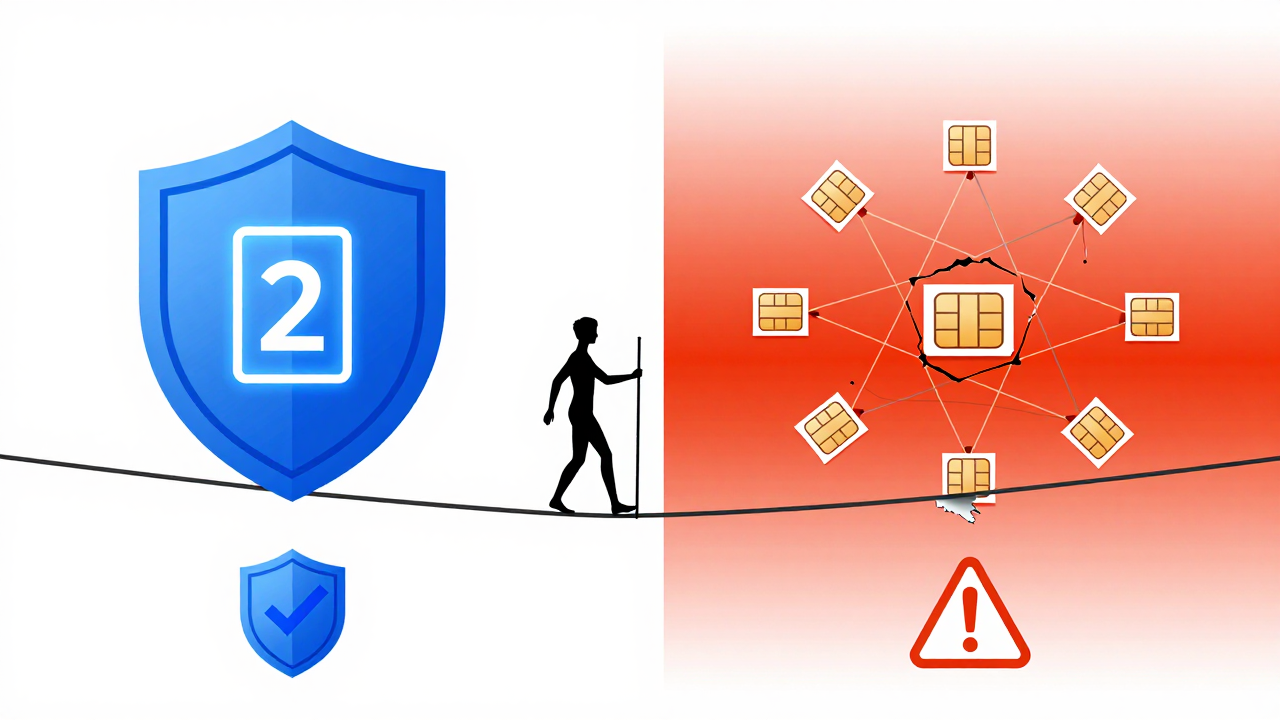
At the end of the day, "is SMS shared verification code safe" doesn't have an absolute answer—only relatively controllable risk management. The cross-border path is a tightrope walk, and verification codes are just one step. Hopefully, this honest breakdown saves you some tuition fees and lets you focus on what actually creates value.
Frequently Asked Questions
Can I use shared verification codes for WhatsApp Business accounts?
Technically yes, but the risk is high. WhatsApp's risk control aggressively flags numbers with prior association to other accounts. If you're setting up a WhatsApp Business account tied to customer communication, a dedicated number is strongly recommended—shared pools often lead to bans within days.
What's the difference between shared and dedicated verification numbers?
A shared number gets reused across multiple users over time, while a dedicated number is exclusively yours for a set rental period. Dedicated numbers carry significantly lower risk because the time gap between uses reduces association flags from platform risk control systems.
How do I verify if a verification platform is trustworthy?
Look for three things: how long the platform has operated, whether they offer API integration, and if they provide dedicated number options. Platforms that have survived for years with a stable user base and transparent pricing are generally more reliable than new entrants with rock-bottom rates.