SMS Verification Code Technology: The Account Verification Bottleneck Cross-Border Businesses Can't Ignore in 2026
SMS Verification Code Technology: The Account Verification Bottleneck Cross-Border Businesses Can't Ignore in 2026
If you're running cross-border operations—especially on TikTok, WhatsApp, Telegram, or Amazon—you've almost certainly hit the dreaded "phone verification" wall. By 2026, platform risk-control systems have gotten frighteningly sophisticated. They're now scrutinizing registration environments, device fingerprints, and number geolocation with near-paranoid precision. A common pattern we see across the industry: verification methods that worked perfectly last year are suddenly failing at scale this year.
SMS verification code technology, at its core, is simply the process of receiving verification texts sent to specific phone numbers and relaying those codes to users who need them. The technology itself is neutral—but how it's used, what number resources back it, and how risk-control systems are handled? That's where the good, the bad, and the ugly separate. Let's skip the fluff and talk about what's actually happening on the ground.
The 2026 SMS Verification Market: From "Any Number Will Do" to "Quality Is Everything"
From my experience tracking this space, the shift is unmistakable: 2026 is no longer about who has the most numbers. Cross-border operators consistently report that accounts registered through cheap virtual number segments have abysmal survival rates. TikTok and Instagram, in particular, are hypersensitive to IP purity—accounts registered with budget verification numbers are routinely flagged as suspicious within 72 hours.
Why the crackdown? Platform risk algorithms have evolved. In 2026, mainstream platforms universally employ a "number reputation score" model. Every phone number carries dozens of data points: usage history, registration frequency, linked account counts, and more. When a number gets recycled across multiple platform registrations, its reputation score tanks fast.
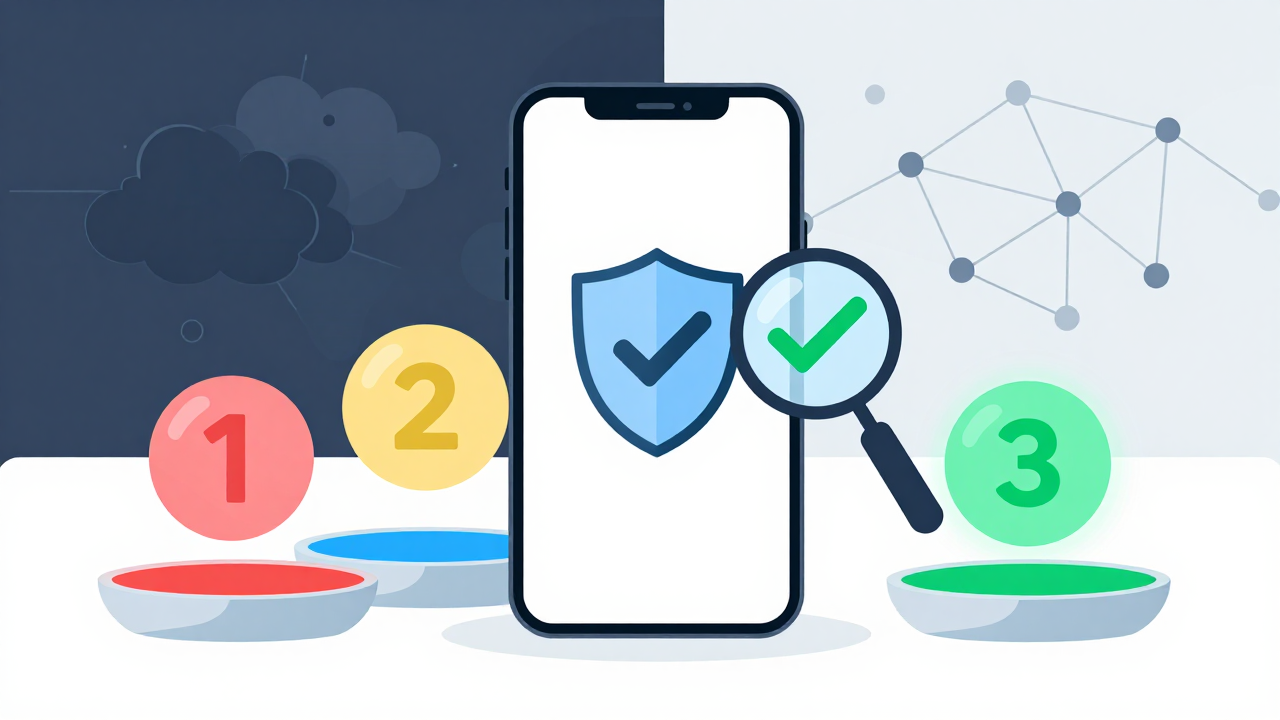
Industry consensus is that SMS verification services have now split into three distinct tiers:
- Budget number pools: Cheap—pennies per code—but numbers are mostly virtual operators or bulk-activated IoT SIMs. Registration success rates are low, and account retention typically sits below 20%. Fine for one-off code reception, useless for account warming.
- Mid-tier number pools: These use genuine carrier channel numbers with relatively clean origins. Pricing runs $0.04–$0.15 per code, with registration success rates of 60–80%. Still, there's residual risk of platform-linked bans.
- Premium number pools: Built on a "one number, one account, one IP" isolation strategy. Numbers are pre-screened, origins are traceable, and when paired with dedicated device environments, account survival rates exceed 80%. The catch: premium pricing, often structured as monthly rentals or tiered per-code fees.
Here's a trap I see constantly: new operators default to the cheapest verification option to save money. They register 100 accounts and end up with fewer than 10 that actually survive. Factor in time and device costs, and they've lost more than they saved. A real case: a WhatsApp bulk-messaging team went cheap on a low-tier verification service, registered 50 accounts, and watched all 50 get batch-banned on day three. Worse, their pre-existing main accounts got caught in the linked-punishment sweep. Devastating.
Compliance Red Lines and Platform Risk-Control Logic in SMS Verification
In 2026, platforms are cracking down on "fake registrations" harder than ever. Take Google: its risk systems now use behavioral analysis to distinguish humans from scripts—measuring how fast you type your phone number, the pause between clicking the verification button, even sensor data from your device. Translation: having a valid number isn't enough. The "humanization" of your entire registration flow is what actually matters.
A frustration I hear echoed across the industry: the code arrives, the account registers successfully, but the next day you're hit with a secondary verification prompt—or a straight-up ban. The root cause is almost always the number itself. It was previously used for shady operations, got flagged by the platform, and you're just the unlucky one holding the bag.
So when evaluating SMS verification providers, three core dimensions matter:
- Traceable number sourcing: Legitimate providers will tell you outright whether numbers come from direct carrier partnerships or the secondhand recovery market. The former is exponentially safer.
- Pre-screening services: The best platforms in 2026 check a number's "health status" on your target platform before assigning it. Flagged numbers get culled before you ever see them.
- After-sales protection: If your account gets banned shortly after registration, will the provider replace numbers free of charge or issue a refund? Confirm this clause before you commit.
Platforms like Getfollow have built solid reputations by following exactly this playbook: pre-screen numbers, isolate environments, then deliver to users. To be clear, no service guarantees 100% safety—but the right one keeps risk manageable. In my own testing across several major providers, the ones willing to explain where numbers come from, how they're screened, and what happens when bans occur earned far more trust than anyone claiming "99% success rates."
Operational Details and Pitfall Avoidance in SMS Verification (2026 Edition)
Here's something most beginners don't know: the "number cooldown period." After a number receives one verification code, it should rest for at least 24 hours before being used for another platform registration. But many budget providers ignore this entirely to maximize number utilization. The result? The same number gets cycled through multiple platform registrations in rapid succession, and every account tied to it gets swept into a linked risk-control action.
Another easily overlooked detail: your network environment during verification. In 2026, platform risk systems can tell the difference between a data-center IP and a residential IP. If you're using an SMS verification service but your own network runs on a data-center IP, you might as well hold up a sign saying "I'm operating in bulk." Many operators report that their high verification success rates come from pairing verification services with residential proxies, making registration requests look authentically human.
Practical advice from the trenches:
- Start with a small test batch—buy 10 codes, register 3–5 accounts, and observe survival rates over 48 hours before committing to a long-term partnership.
- Never put all your accounts on a single verification provider. Keep at least two backups so a provider failure doesn't wipe you out.
- Log every number's registration timestamp and target platform in your own spreadsheet. When a ban wave hits, you can quickly identify whether a specific number batch is the culprit.
- Check payment structures. Many 2026 platforms offer pay-per-code; others require prepaid deposits. Prioritize providers that allow small trial purchases to minimize your cost of experimentation.
The industry consensus is clear: SMS verification technology in 2026 has entered a "precision operations" phase. The old spray-and-pray approach to buying numbers and registering accounts is dead. Operators running matrix accounts now understand that success depends on a "number + IP + device" trinity. Relying on verification technology alone won't solve your problems.
How to Tell If an SMS Verification Provider Is Legit
Every cross-border operator asks this question eventually. Based on years of industry observation, reliable providers share several distinguishing traits:
First, they're transparent about number sourcing. If a provider gets evasive and just says "our sources are stable," assume they're using secondhand recovered numbers—high risk. Legitimate providers will tell you whether numbers come from direct carrier agreements or channel partners, and some can even provide proof of number origin.
Second, they offer clear ban-compensation policies. The better platforms in 2026 commonly provide "free number replacement if banned within 7 days of registration." This clause doesn't eliminate losses entirely, but it signals confidence in their number quality.
Third, they support API integration. For solo operators, manual code reception might suffice. But for bulk operations, API-driven automatic code retrieval and callback functionality is a game-changer. If a provider doesn't offer API access, their technical capabilities are limited—and their service quality will likely follow suit.
Platforms like Getfollow have matured significantly in API integration and number pre-screening, which is why many operators choose them after comparison shopping. That said, 2026's verification provider landscape is wildly uneven. Even well-regarded platforms can stumble on a bad number batch. Whatever provider you're considering, test small before you scale.
One final word: SMS verification code technology is a tool. Used well, it's a force multiplier. Used carelessly, it's an express lane to account bans. Platform risk-control systems in 2026 are sophisticated enough to catch anyone trying to game the system. Rather than chasing the "perfect verification code," invest your energy in post-registration account quality. At the end of the day, accounts that survive and operate consistently are the real assets in cross-border business.
Frequently Asked Questions
What is SMS verification code technology and how does it work?
SMS verification code technology involves receiving verification texts sent to specific phone numbers and relaying those codes to users who need them for account registration or login. In practice, verification service providers maintain pools of phone numbers, receive incoming SMS messages through hardware or cloud-based solutions, and deliver the codes to their clients via dashboard or API.
Why do my accounts get banned even when I receive the verification code successfully?
Receiving a code is only one piece of the puzzle. In 2026, platforms assess the entire registration environment—including the number's reputation history, your IP address type, device fingerprints, and behavioral patterns. If the number was previously flagged for suspicious activity, or if your network environment looks automated, your account can be banned even after successful verification.
What's the difference between cheap and premium SMS verification services?
Cheap services typically use recycled virtual numbers or IoT SIMs with poor reputation scores, yielding account survival rates below 20%. Premium services employ one-number-per-account isolation, pre-screen numbers for platform flags, and often pair with dedicated IP environments—achieving survival rates above 80%. The price difference reflects the risk you're not taking.
How can I test an SMS verification provider before committing?
Start with a small batch—purchase 10 codes and register 3–5 accounts. Monitor those accounts for 48 hours to assess survival rates. Ask the provider directly about number sourcing, pre-screening processes, and ban-compensation policies. If they're vague on any of these, walk away. Also, check whether they offer API access, which signals technical maturity.