RedSnow SMS Verification Platform: The Truth Behind Missing Verification Codes for Cross-Border Business
RedSnow SMS Verification Platform: The Truth Behind Missing Verification Codes for Cross-Border Business
Over the years running cross-border operations, I've heard at least twenty colleagues complain about the same frustration: verification codes for overseas accounts just never arrive. Some get stuck on WhatsApp, others hit walls with Telegram, and don't even get me started on TikTok or Amazon seller accounts. RedSnow SMS verification platform kept coming up in these conversations as one of the go-to solutions.
But here's the thing—SMS verification is far more complicated than "enter phone number, receive code." Especially when your operation involves bulk registration or managing multiple accounts, picking the wrong provider can mean delayed codes at best, or linked account bans at worst. That's not just an inconvenience; it's your entire account matrix going up in flames.
Why Cross-Border Operators Can't Live Without SMS Verification Platforms
Here's something most people don't realize: overseas account systems operate on a completely different logic than domestic ones. In China, phone number verification is tied to real-name registration, so codes arrive instantly. But overseas platforms—especially heavy hitters like Google and Meta—have gotten aggressive about detecting virtual number ranges, often blocking them in real time.
From my testing, using physical SIM cards for overseas verification does deliver higher success rates. But the math doesn't work for most small teams. A single SIM card costs tens of dollars per month in rental fees, and maintaining dozens of numbers quickly becomes a four-figure monthly expense. That's simply not sustainable for freelancers or small studios. So SMS verification platforms become the practical middle ground.
Services like RedSnow essentially pool a large inventory of physical SIM cards and virtual operator numbers, letting you rent a temporary number on a pay-per-use basis to receive SMS codes. Sounds straightforward, but in practice, you'll run into several pitfalls:
- Number quality varies wildly: Within the same platform, different price tiers come with vastly different risk ratings. Budget number ranges are often already flagged, and registering WhatsApp with one can trigger an immediate ban.
- Success rates are never 100%: Many platforms advertise "instant delivery," but during peak hours, delays of 10–15 minutes are common—and most verification codes expire within five minutes.
- Number reuse is a real danger: Some platforms sell the same number to multiple users. While you're receiving your code, someone else could be using that same number to register other services, creating cross-account linkage risks.
Bottom line: choosing an SMS verification platform is really about choosing risk management capability, not just whether codes arrive.
Hands-On Testing: RedSnow SMS Verification Platform From Trial to Bulk Use
I ran a controlled test with RedSnow SMS verification platform across WhatsApp, Telegram, Instagram, and several e-commerce registration scenarios. Here's my honest take: the basic functionality works, but it's not a magic bullet.
The most memorable test was Telegram registration. I received a UK number from RedSnow, and the code arrived in about 40 seconds—smooth sailing. But in the same batch, a US number I tried for WhatsApp came back with "this number has already been used." I had to switch numbers and try again. That kind of unpredictability gets amplified when you're operating at scale.
Industry observers agree that verification platforms' number pools are constantly shifting. A number range that works today might be blacklisted by platform risk controls tomorrow. RedSnow's strength lies in its relatively abundant number inventory and broad country coverage. Its weakness, though, is a lack of fine-tuned adaptation to specific platforms' risk-control algorithms.
A common pattern we see across user feedback: what really impacts retention isn't the initial verification success rate—it's how long your account survives after registration. Here's a real case: a team I know running a TikTok account matrix registered 50 accounts through a verification platform. Within three days, 38 were banned. After they switched strategy and only used high-rated numbers, survival rates climbed back to around 70%.
The Compliance Risk: Don't Let a Verification Code Become a Ban Notice
Time for a reality check. SMS verification services operate in a gray zone because most overseas platforms explicitly prohibit registration with virtual numbers. If a platform detects that your number belongs to a verification pool, you might face additional verification requests at best, or an outright ban at worst.
What's more concerning: some verification platforms log your IP address and device information. If the provider's security measures are lacking, that data can leak. I've personally seen an incident where a verification platform got hacked, exposing users' registered phone numbers, IPs, and device fingerprints. That single breach led to a wave of linked account bans across multiple cross-border e-commerce sellers.
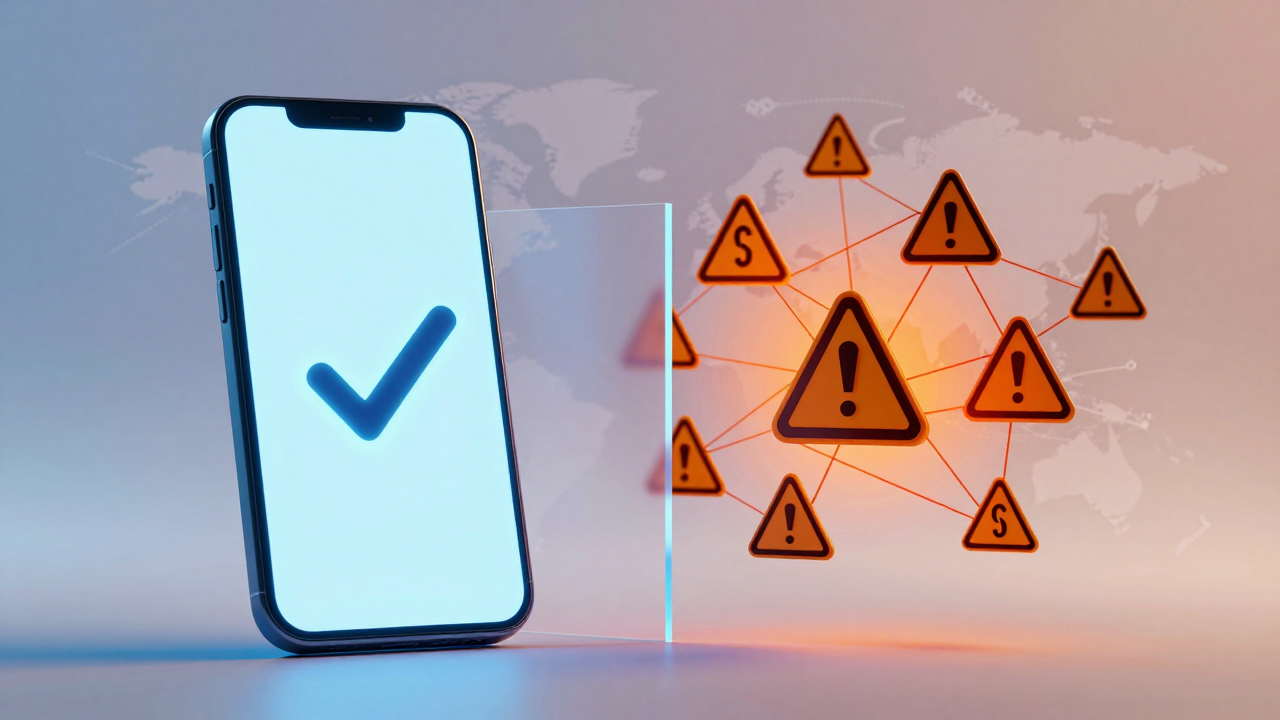
So before committing to RedSnow SMS verification platform or any similar service, here are the non-negotiable criteria:
- Number exclusivity: Confirm whether the platform guarantees that a number serves only one user at a time. Many budget platforms share numbers across users, which is a massive red flag.
- Region customization: Different platforms have different registration requirements. A service that lets you choose the exact country—or even city—of your number is far more reliable.
- Failure refund policy: If the code never arrives, does the platform automatically refund or reissue? This detail speaks volumes about operational competence.
- API access: For studios or teams, an API enables automated registration workflows. But pay attention to API security and rate limits.
One platform that consistently earns solid reviews in the industry is Getfollow, which operates on exactly this compliance-first logic—exclusive numbers, automatic refunds on failure, and API access without unlimited number generation. Its pricing runs slightly higher than RedSnow SMS verification platform, but the improvement in account survival rates more than justifies the difference.
How to Tell If a Verification Platform Deserves Long-Term Partnership
Many cross-border operators fall into the habit of bulk-recharging their accounts, assuming lower unit prices mean better value. But from my experience, service quality fluctuates significantly—especially when it comes to number pool refresh frequency and how quickly risk-control strategies evolve. Cheap today doesn't mean functional tomorrow.
My advice, whether you're considering RedSnow SMS verification platform or any other provider: start with a small test. Recharge a minimal amount, register 5–10 accounts across different platforms, and monitor survival rates and code delivery speeds over a week. If the results look good, then scale up your investment.
Also, pay close attention to customer support responsiveness. When you hit a snag during verification, whether support can respond within minutes determines whether your registration flow gets interrupted. Some platforms have support that's essentially decorative—emails go unanswered, tickets never get processed. No matter how cheap those services are, stay away.
One final reminder: a verification platform is a tool, not the core of your business. If your operation depends heavily on account matrices, it's wise to maintain backup options simultaneously—physical SIM cards, overseas number hosting services, anything that creates redundancy. That way, if one platform goes down, you still have a path forward.
RedSnow SMS verification platform has earned its place as a veteran in the industry, and it serves a purpose. But it's best suited for lightweight, non-critical verification needs. For accounts that truly matter, spending a bit more for a higher safety margin is an investment that pays off in the long run.
Frequently Asked Questions
Can I use RedSnow SMS verification platform for WhatsApp registration?
Yes, but with caveats. WhatsApp actively flags virtual numbers, so success depends heavily on the specific number range you're assigned. Test with a low-cost number first before committing to bulk registrations.
How much does RedSnow SMS verification platform cost?
Pricing varies by country and number tier. Budget numbers for common regions like the US or UK typically cost less than a dollar per use, while premium numbers or less common countries run higher. Always check the current rate card before recharging.
Is using an SMS verification platform legal?
It's a gray area. The platforms themselves operate legally in most jurisdictions, but using virtual numbers to register accounts violates the terms of service of most overseas platforms. You assume the risk of account bans.
What's the difference between RedSnow and Getfollow?
Both offer SMS verification services, but Getfollow emphasizes exclusive number allocation, automatic refunds on failed deliveries, and stricter API controls. RedSnow offers broader country coverage and lower entry prices, but with less predictable number quality.