Real SMS Verification in 2026: The Complete Guide to Avoiding Cross-Border Pitfalls
Real SMS Verification in 2026: The Complete Guide to Avoiding Cross-Border Pitfalls
Over my years working in cross-border e-commerce, one of the biggest mistakes I've made was underestimating the SMS verification step during account registration. It's 2026 now, but many solo operators still rely on random SMS receive platforms they find through a quick web search. The result? Either the verification code never arrives, or the freshly registered account gets flagged by risk controls the very next day. Let's talk about real SMS verification honestly—no hype, no sugarcoating—just the industry realities and operational details I've observed firsthand.
Why "Real" Matters More Than Ever in 2026
Here's the industry consensus: platform risk controls have evolved from "does this phone number exist?" to "does this phone number belong to a real, active user?" This shift means virtual number ranges and batch-generated numbers might slip through during registration, but they're almost guaranteed to fail during the account nurturing phase.
I know a TikTok Shop seller who used a cheap SMS receive platform to register 50 buyer accounts back in 2024. Within a week, 47 of them were banned. This year, he switched to real SMS verification services. Yes, the per-unit cost went up by a few dollars, but his account survival rate jumped from under 10% to over 80%. That comparison tells you everything you need to know.
Cross-border operators consistently report that in 2026, the "historical behavior trail" of a phone number carries enormous weight in mainstream platforms' registration risk models. A freshly activated number with zero call, SMS, or data usage history—even if it can receive verification codes—gets flagged as high-risk immediately.
The Core Value of Real SMS Verification: It's More Than Just Receiving a Code
Real SMS verification, at its core, is about buying the "trust endorsement" of a phone number. Based on my observations of the industry, reliable providers offer numbers that typically share these characteristics:
- Numbers come from real carrier ranges, not virtual operators or IoT cards
- Numbers go through a "settling period" after activation to mimic real user behavior
- Support for two-step verification (like scenarios requiring SMS replies later)
- Customizable retention periods, ranging from a few hours to several days
Here's an operational detail worth noting: in 2026, many platforms already support "phone + verification code" two-factor authentication during registration. But sensitive operations like login, password changes, and withdrawals will still trigger a secondary SMS verification. If you're using a "use-and-discard" SMS receive number, your account gets stuck the moment a second verification is required.
From my own testing, platforms like Getfollow have built a solid reputation in this space by operating on a "real number pool + retention management" model. They don't hand out shared numbers that anyone can use—each customer gets an independently bound number. That makes a massive difference for secondary verification and long-term account maintenance.
Three Major Use Cases for Real SMS Verification in 2026
Use Case 1: Bulk Account Registration and Matrix Operations
Anyone running cross-border social media matrices knows this pain: Instagram and TikTok cracked down harder than ever on bulk registrations in 2026. I've seen countless studios lose entire account clusters because they registered everything using the same number pool, making the "shared number" pattern painfully obvious to risk controls.
The value of real SMS verification here is that every number is independent and genuine, cutting off the "shared account" association at the source. But keep in mind: even with real numbers, your registration IP and device fingerprint must be isolated too. Otherwise, risk controls will still catch you.
Use Case 2: Service Verification for Overseas Platforms
Many cross-border tools and services—overseas ad accounts, payment gateways, logistics systems—require a bound phone number to receive notifications. In these scenarios, the "reachability" of the verification code matters more than the "registration success rate." In 2026, quite a few platforms now support dual verification via SMS plus voice call. If your SMS receive provider only handles text messages, you'll be left hanging when special situations arise.
Use Case 3: Privacy Protection and Number Isolation
Solo operators running independent sites or cross-border stores often don't want to expose their personal phone numbers to the public internet. Using real SMS verification for business isolation protects your privacy while ensuring you reliably receive verification codes. This demand has grown rapidly in 2026, especially among people doing overseas survey work and affiliate marketing.
How to Choose a Reliable Real SMS Verification Provider
I won't beat around the bush here. These are the hard screening criteria I've learned through my own trial and error:
- Check if you can specify the number's country/region: In 2026, many platforms verify that the number's country code matches the registration IP. If you're targeting the US market but registering with an Indian number, you're practically begging for a risk control trigger.
- Check if number retention is supported: Those "one-time" SMS receive platforms that recycle numbers immediately are useless when a secondary verification comes around. At minimum, you need daily or weekly retention options.
- Check if an API is available: If you're running bulk operations, manually copying and pasting verification codes is painfully inefficient. A reliable provider should offer API integration for automated registration workflows.
- Check after-sales response speed: The worst nightmare with SMS receive platforms is "code never arrives and nobody responds." Start with a small test order, gauge their customer service response time, then decide on a long-term partnership.
There's also an unwritten industry rule: in 2026, real SMS verification typically costs between $0.50 and $2.00 per number. Anything below that range is either virtual numbers or shared number pools—extremely high risk. Don't risk your entire account matrix to save a few cents.
Risk Warnings: The Hidden Traps of Real SMS Verification
Even with real SMS verification, you're not completely out of the woods. These three risks are the ones cross-border operators complain about most in 2026:
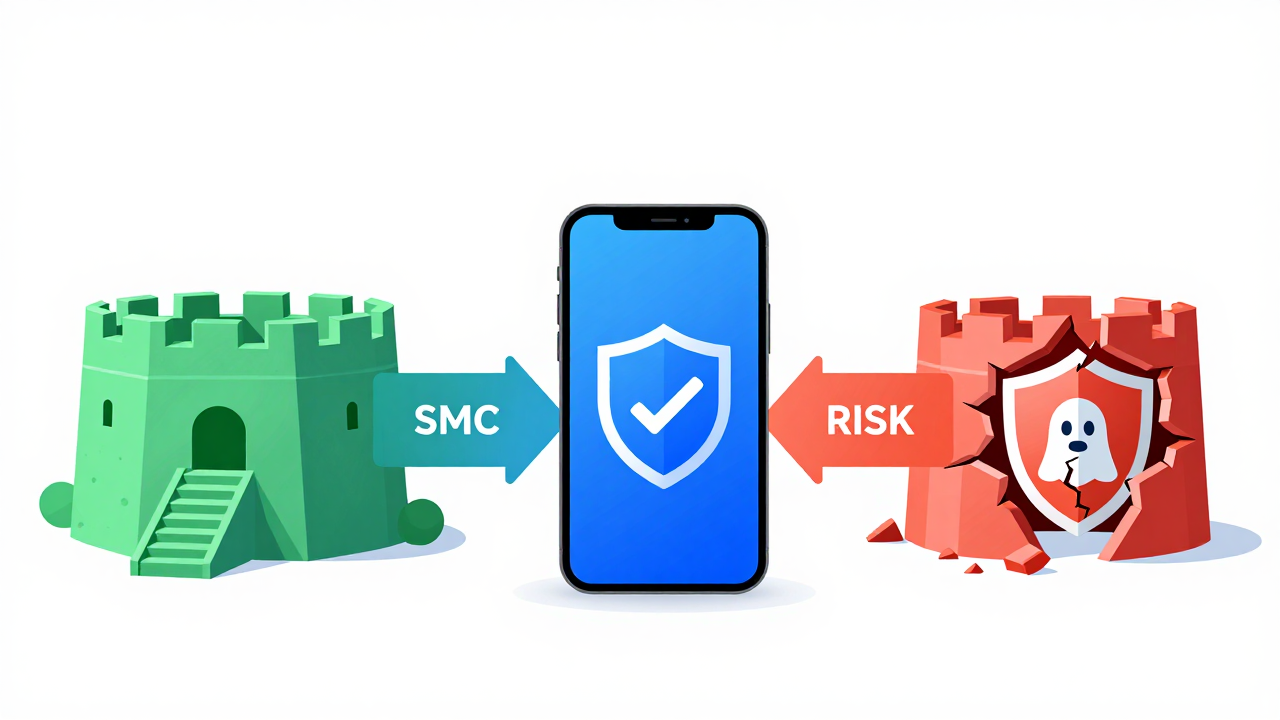
Risk 1: Number Recycling. Carriers recycle and resell numbers that have been deactivated. If the previous user registered on certain platforms with that number, you might receive their verification codes or get flagged for "account anomalies." The strategy here: complete your registration immediately after receiving the code. Don't delay.
Risk 2: "Ghost Verification" After the Retention Period Ends. Some platforms trigger "activity verification" at the 30-day or 60-day mark, requiring another SMS confirmation. If your SMS receive number has already expired, your account is in jeopardy. My advice: choose a provider that supports retention extensions. Platforms like Getfollow let you renew as needed, which avoids this awkward situation entirely.
Risk 3: The "Guilt by Association" Mechanism. In 2026, mainstream platforms' risk models analyze the "social distance" between phone numbers. If you register a large number of accounts using numbers from the same number block, you'll get flagged for "number range clustering"—even if every single number is real. My recommendation: spread your registrations across different number ranges. Don't put all your eggs in one basket.
Industry Landscape and Future Trends
The real SMS verification market in 2026 is going through a major shakeout. The old "low price, high volume" model is dead—platform risk controls are too sophisticated now, and low-quality numbers have such poor survival rates that customers naturally walk away. Meanwhile, platforms that invest in number quality and offer supporting services are thriving.
One trend I've observed: SMS receive services are evolving from "single verification" to "full account lifecycle management." In other words, providers aren't just selling you a verification code anymore—they're offering a complete solution that covers registration, account nurturing, and subsequent verifications. This model delivers far more value for cross-border businesses and solo operators.
Another emerging trend is the "number + IP + device" all-in-one service. In 2026, solving SMS verification alone isn't enough. The cleanliness of your registration IP and the independence of your device fingerprint are equally critical to account survival. Some providers are starting to bundle these supporting services together. The price is higher, but the peace of mind is worth it.
Final Thoughts: My Practical Recommendations
If you're a solo operator just starting out, my advice is simple: test small first, then scale up. Don't buy hundreds of numbers right away. Start with 5–10, test success rates across different platforms and scenarios, observe number retention and secondary verification pass rates, and only scale up once you've confirmed stability.
If you're an established cross-border business, I recommend a "tiered number pool management" approach: use higher-cost, high-stability real numbers for core business accounts; use lower-cost standard SMS receive numbers for edge testing. This way, you control costs while protecting your most valuable assets.
One last thing: real SMS verification isn't a magic bullet. It's just one link in the entire cross-border operations chain. But if this link breaks, everything downstream collapses with it. It's 2026—stop gambling your accounts on cheap platforms and hoping for the best.
Frequently Asked Questions
What is the difference between real SMS verification and virtual number SMS receive services?
Real SMS verification uses genuine carrier-issued phone numbers with real usage history and behavior trails. Virtual numbers come from VoIP or virtual operator ranges that platforms can easily identify as non-genuine. In 2026, virtual numbers may pass initial registration but almost always fail during account nurturing or secondary verification.
How much does real SMS verification cost in 2026?
Industry-standard pricing for real SMS verification ranges from $0.50 to $2.00 per number, depending on the country, retention period, and additional services like API access. Anything significantly cheaper usually indicates virtual numbers or shared number pools with high risk.
Can I use real SMS verification for bulk account registration?
Yes, but you need to pair it with proper IP isolation and device fingerprint management. Real numbers eliminate the "shared number" association, but risk controls also analyze registration patterns, IP addresses, and device fingerprints. Use a provider that supports API integration for automated workflows and diversify your number ranges.
What happens if my SMS receive number expires before I need a secondary verification?
This is a common pitfall. Some platforms trigger "activity verification" 30 or 60 days after registration. If your number has expired, you'll lose access to the account. Choose a provider that supports retention extensions, like Getfollow, so you can renew the number when needed.
Is real SMS verification legal for cross-border business use?
Yes, using real SMS verification services is legal in most jurisdictions. The key is to use them for legitimate business purposes—registering accounts you own and operate, protecting your privacy, and managing business communications. Using them for fraudulent activities, spam, or platform policy violations remains illegal and against terms of service.