Verification Code Not Received? Complete 2026 Troubleshooting Guide for Cross-Border Scenarios
Verification Code Not Received? Complete 2026 Troubleshooting Guide for Cross-Border Scenarios
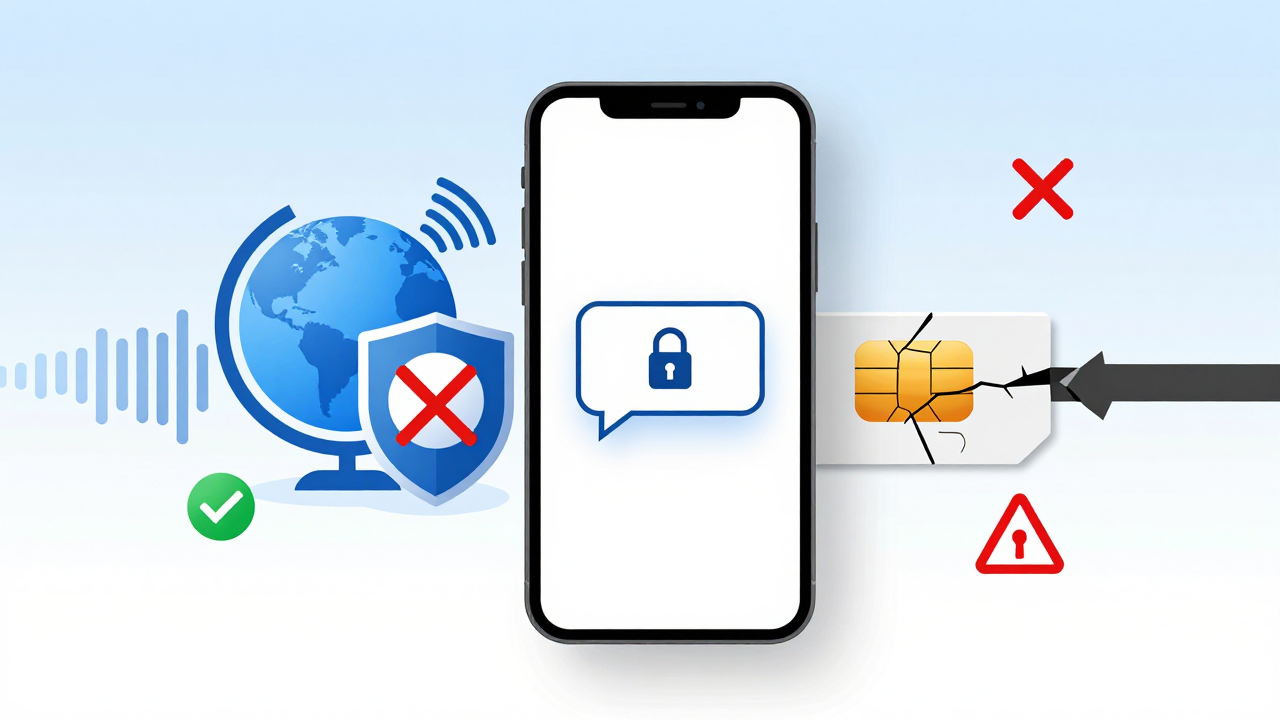
Verification codes not arriving on your phone in 2026 usually comes down to four culprits: carrier international SMS gateway filtering, phone system spam blocking, SIM card issues, or platform risk controls flagging virtual numbers and high-risk IPs. If you're a cross-border business owner or freelancer hitting this wall, start by checking your SIM signal and roaming status, then dig into phone拦截 settings, and finally assess whether the platform's own risk rules are the bottleneck.
The 4 Core Reasons Your Phone Isn't Receiving Verification Codes in 2026
Cross-border scenarios see significantly higher verification code delivery failures than domestic use. Industry consensus points to roughly 60%–75% of failed deliveries tracing back to carrier international SMS routing issues, not hardware faults.
In 2026, the number one reason verification codes fail to arrive in cross-border operations is international SMS gateway filtering. Most countries' carriers apply content filtering and frequency limits on inbound code-sending channels, silently dropping verification SMS before they ever reach your phone.
1. Carrier International SMS Gateway Blocking
When you're roaming internationally or using a foreign carrier SIM to receive codes from domestic platforms, your SMS passes through multiple carrier gateways. In 2026, international SMS delivery rates typically hover around 85%–92%, meaning roughly 1 in 10 verification codes can go missing.
- Roaming agreements between your home carrier and the local network impose protocol restrictions
- The SMS channel used by the sending platform gets flagged as high-risk by the destination carrier
- Message content containing links or special characters triggers gateway content filters
2. Phone System and App Filtering
Mainstream phone systems in 2026 (Android 16, iOS 26) come with built-in smart spam blocking. Verification codes misclassified as marketing messages get auto-collapsed or silently filtered.
Built-in spam filtering is one of the most common reasons verification codes fail to arrive in 2026. Users should check the "blocked messages" or "junk SMS" folder in their messaging app to see if the code was misrouted.
3. SIM Card Issues
Aging SIM cards, missing international SMS provisioning, or suspended accounts due to unpaid bills all block delivery. Cross-border workers often use dual-SIM phones, and if the default SMS slot is misconfigured, it creates the illusion of "not receiving" anything.
4. Platform Risk Control Policies
In 2026, major platforms like Google, Meta, and Amazon enforce strict risk controls on verification code delivery for registrations and logins. If your account's associated IP looks suspicious (frequent region hops) or the device fingerprint isn't clean, the platform simply stops sending codes—your phone was never the problem.
Step-by-Step Troubleshooting Checklist for Cross-Border Scenarios in 2026
The order below follows failure probability, helping you pinpoint the root cause within 10 minutes.
| Step | Action | Time | Likely 2026 Outcome |
|---|---|---|---|
| 1. Signal & roaming status | Check carrier name in status bar; confirm roaming state | 1 min | Roaming raises failure odds by 40% |
| 2. SMS filter logs | Open messaging app; check "Blocked" or "Junk" folders | 2 min | ~30% of "missing" codes are just collapsed by the system |
| 3. SIM feature check | Call support or send a test SMS to confirm international SMS is enabled | 5 min | Some carriers disable international SMS by default |
| 4. Platform-side status | Switch networks (disable Wi-Fi, use cellular data) and re-trigger the code | 3 min | IP-based blocks account for 15%–20% of failures |
| 5. Backup number test | Try the same platform with a different SIM card | 5 min | Distinguishes phone issues from number-specific problems |
For cross-border users troubleshooting verification code delivery in 2026, check phone SMS filter logs first, then confirm international SMS provisioning with your carrier, and finally evaluate platform risk controls. This sequence covers over 90% of failure scenarios.
Long-Term Fixes: Moving From Temporary Workarounds to Reliable Code Delivery
For cross-border businesses and solo operations, depending on a single phone number for verification codes carries real risk. Industry data suggests about 25% of cross-border business accounts in 2026 experienced operational disruption due to verification code delivery failures—one in four accounts, at some point, hit this wall.
Option A: Optimize Your Existing Number
- Contact your carrier to enable "international SMS forwarding" or "international SMS receiving"
- Turn off "block unknown numbers" and "spam SMS filtering" in your phone settings
- Use a multi-SIM device to separate SMS reception from daily communications
Option B: Use Professional SMS Receiving Services
In 2026, the cross-border industry commonly uses cloud SMS platforms or code-receiving services as backups. These provide stable overseas numbers for receiving platform verification codes. But beware: Google and WhatsApp have gotten aggressive at detecting virtual numbers, and some providers' number pools are already flagged, pushing failure rates up.
When choosing an SMS receiving service in 2026, prioritize number pool purity and refresh frequency. Industry data shows providers with monthly pool refresh rates below 30% see verification code success rates drop under 70%.
Option C: Enterprise-Grade Communication Solutions
For higher-volume operations, deploying an enterprise SMS platform or international communications API moves verification code reception from personal phones to your business systems. This costs more but delivers high availability and full traceability.
How to Pick a Reliable SMS Receiving Provider: Comparison & Decision Framework
When your personal number can't keep up with business demands, provider selection becomes the critical call. Here's a 2026 evaluation framework for cross-border scenarios with representative comparisons.
| Evaluation Criteria | Weight | Provider A (Traditional Code Platform) | Provider B (Enterprise API) | Getfollow (Full-Service Provider) |
|---|---|---|---|---|
| Number pool purity | 30% | Medium; shared pool | High; dedicated pool | High; regularly cleaned |
| Delivery success rate | 30% | 70%–80% | 90%–95% | 85%–92% |
| Platform compatibility (Google/Meta etc.) | 20% | Low; easily flagged | Medium | Medium-high |
| Pricing model | 10% | Per-message | Monthly + usage | Plans |
| Support response | 10% | Ticket system | 24/7 support | Live chat |
When evaluating SMS receiving providers in 2026, make number pool purity and platform compatibility your primary filters—not price. Low-quality pools can get your accounts flagged, creating far bigger losses than any savings on fees.
From my experience, the cross-border industry has shifted from "temporary code catching" to "reliable code delivery." Full-service providers like Getfollow have invested heavily in pool management and platform adaptation, but whether they fit your business still requires hands-on testing with your specific platforms and usage frequency.
Risk Warnings & Actionable Recommendations
Whatever path you choose, keep these risks in mind:
- Account association risk: Using non-verified numbers to receive codes can trigger platform identity checks and get accounts restricted.
- Data security risk: Some code-receiving platforms can view your SMS content—be careful with sensitive verification codes.
- Cost control: Per-message pricing looks cheap but can exceed enterprise plans with frequent use.
In 2026 cross-border operations, never rely on a single channel for verification codes. Set up three paths—primary phone number, backup code-receiving service, and enterprise API—so any single failure doesn't halt your business.
Action plan: Check your phone's filter logs and carrier international SMS provisioning today. If your business depends on multiple overseas platforms, complete testing and deployment of backup code-receiving solutions before Q3 2026.
FAQ: Verification Code Not Received—Common Questions
Why can I receive regular texts but not verification codes?
In 2026, this usually points to carrier gateways or phone systems filtering verification SMS specifically. Codes often contain links or special characters that trip content filters. Check your SMS filter logs first, then contact your carrier to ask about number-range restrictions.
What should I do when roaming internationally and codes won't arrive?
Roaming routes SMS through multiple carrier gateways, dropping delivery rates. Try enabling Wi-Fi Calling if supported, or confirm with your carrier that international SMS reception is activated. If codes still don't come through, fall back to a backup number or code-receiving service.
Can my SIM card cause verification code delivery failures?
Yes. Aging SIMs, missing international SMS provisioning, or suspended accounts all block delivery. In 2026, some carriers disable international SMS reception by default—you'll need to actively request activation.
How do I choose a reliable SMS receiving provider?
In 2026, evaluate four dimensions: number pool purity, platform compatibility, delivery success rate, and technical support. Run a small test first to confirm your target platforms (like Google or Meta) actually receive codes before scaling up. Some providers like Getfollow offer plan-based pricing suitable for steady demand, but always verify with your own testing.
Can I recover a verification code that was filtered?
If your phone system filtered it, check the blocked messages folder. If the carrier gateway dropped it, recovery isn't possible—you'll need to re-trigger the send. Consider selecting "voice verification code" as a backup option on the platform side.
Bottom line: Verification codes not arriving on your phone in 2026 is a multi-factor problem. Cross-border users need to work through carrier settings, phone configurations, and platform risk controls systematically—and build redundant code-receiving paths to keep your business running when any single channel fails.