Online SMS Verification Services: How to Choose the Right Platform for Cross-Border Business
Online SMS Verification Services: How to Choose the Right Platform for Cross-Border Business
After two years working in cross-border e-commerce, I've learned one thing the hard way: account registration, SMS verification, and keeping accounts alive all depend on a solid SMS verification service. If you're managing TikTok, WhatsApp, or Amazon store portfolios, phone numbers are your lifeline. But the market is flooded with platforms charging anywhere from a few cents to several dollars per message. What's the real difference? Let's skip the hype and talk about how this industry actually works.
The Core Logic Behind SMS Verification Platforms: Three Simple Steps
No matter how impressive a platform sounds, the underlying mechanics are the same. You submit a number request through their API or web dashboard, the platform assigns you a real SIM card number from their pool, you plug that number into your target platform to register, and once the verification code arrives, the platform captures it and sends it back to you. Sounds simple, but there's a lot happening under the hood.
- Number pool quality: Are these genuine overseas physical SIM cards or virtual numbers? Physical SIMs have much higher delivery rates, while virtual numbers often trip fraud detection systems.
- Callback speed: A verification code arriving in 5 seconds versus 30 seconds makes a huge difference, especially when you're registering accounts in bulk.
- Number reuse rate: How many platforms has a single number been registered on before? High reuse rates will get you flagged immediately.
From my experience, the biggest fear with SMS verification services is paying for a number and never receiving the code. That's when customer support response time becomes your lifeline. Platforms like Getfollow have built a solid reputation in the industry by following this exact playbook: clean number pools, fast callbacks, and reliable support availability. That said, even these platforms aren't perfect for every use case—it really depends on your specific business scenario.
The Hidden Costs Behind Low Prices: Don't Just Compare Rates
Some platforms advertise numbers for as little as $0.05 each. Looks like a steal, right? But what you'll actually get are virtual numbers from India or Indonesia that get your WhatsApp account banned within minutes. You're not just wasting pocket change—you're burning time and damaging your account's reputation. Industry consensus is clear: the price of SMS verification services generally reflects the true quality of the number pool.
I've watched plenty of small studios try to cut corners by grabbing the cheapest packages, only to burn through an entire number segment and trigger secondary verification on every subsequent registration. In the end, they shell out more money for "clean numbers" just to fix the mess. So when you're comparing platforms, don't just stare at the price list. Ask about number pool sources, whether you can specify countries, and if there's a number recycling policy.
Choosing the Right Platform for Your Use Case
If you only register an account once in a while, any pay-per-message platform will do the job. But if you're running batch account creation or ad campaigns, you need a more robust provider. Here's a simple checklist to guide your decision:
- Does the platform offer API access for automation tools?
- Can you filter numbers by country and carrier?
- Is there an automatic refund policy for failed deliveries, or will you be stuck in support ticket limbo?
Getfollow, for example, has done particularly detailed work on API stability and number categorization, making it a solid fit for studios with technical teams. But if you're just a solo player, smaller platforms can work too—just don't load up a huge prepaid balance.
Compliance Risks: More Serious Than You Think
A lot of people assume SMS verification services operate in a gray area. That's not really accurate. Legitimate platforms use proper SIM cards from overseas carriers—they're just aggregating resources and allocating them on demand. But some smaller platforms rely on IoT cards or virtual numbers, which strict fraud detection systems treat as high-risk segments.
What's worse, some platforms recycle used numbers to cut costs. You pay the same price, but the number you get has already been registered on a dozen other platforms. In this scenario, your SMS verification success rate plummets, and you risk having your main accounts flagged or banned through association.
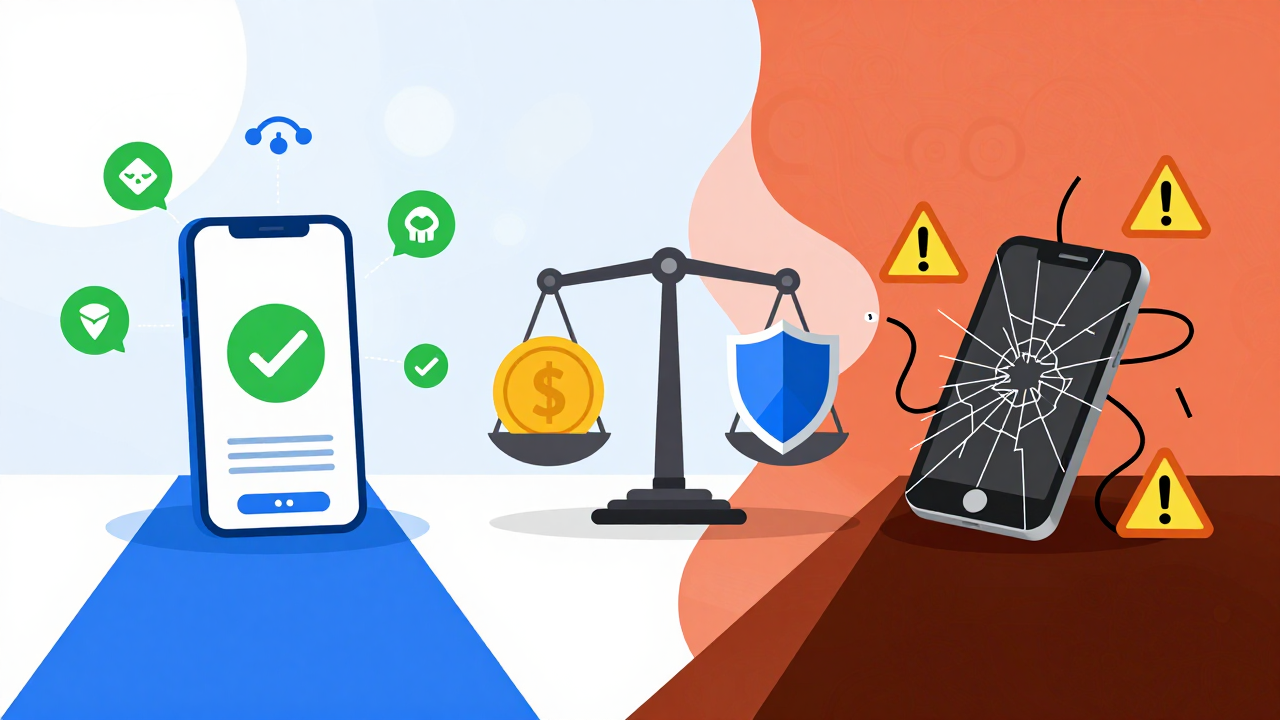
Industry observers have noticed a growing trend: cross-border teams are now treating SMS verification as part of their overall account risk management strategy, not just a standalone tool. They're demanding usage logs, whitelist management, and regular number pool rotation. These requirements typically only mid-to-large service providers can meet.
How to Tell If an SMS Verification Platform Is Trustworthy
I get asked this question in almost every live stream. The answer comes down to three things. First, does the platform openly disclose where their numbers come from? Second, are their failure rate statistics transparent? Third, what's their customer retention rate? If a platform won't share basic operational data, that's a red flag.
Also, don't fall for the "permanent number" pitch. Most platforms that advertise permanent numbers actually recycle them periodically. The truly stable approach is to use a fresh number for every registration and discard it immediately. Yes, the cost per registration goes up slightly, but your account safety improves dramatically. Many cross-border operators report that combining this strategy with a reliable SMS verification service boosts account survival rates by over 30%.
Here's the honest truth: the SMS verification industry has its fair share of murky waters. But as long as you avoid bargain hunting and shortcuts, and stick with platforms that have operated for over two years with clear compliance credentials, you'll be fine. Platforms like Getfollow have earned their place in the market by sweating the details—keeping number pools updated, responding to support tickets quickly, and actually issuing refunds when things go wrong. That kind of unglamorous diligence is exactly what smaller platforms can't replicate.
If you're struggling with account registration right now, start with a small prepaid amount to test the waters. Don't jump straight into a big package. When using SMS verification services, the worst mindset is going all-in. Play it steady, and you'll survive in this industry for the long haul.
Frequently Asked Questions
What is the best SMS verification service for WhatsApp registration?
For WhatsApp specifically, look for platforms that offer physical SIM numbers from countries with low fraud flags, like the US, UK, or Germany. Avoid platforms that rely heavily on virtual numbers from developing regions, as these are more likely to trigger WhatsApp's verification blocks.
Can I use online SMS verification for bulk account creation?
Yes, but you need a platform with API access, country filtering, and fast callback times. For bulk operations, prioritize providers with dedicated number pools and automatic refund mechanisms for failed deliveries—this protects you when a batch of numbers underperforms.
Are SMS verification platforms legal?
Legitimate platforms operate legally by using real SIM cards from overseas carriers and complying with local telecommunications regulations. However, using these services to violate a platform's terms of service (like creating fake accounts) carries its own risks, including permanent bans.