SMS Verification Code Devices: 2026 Buying Guide for Cross-Border Operations
SMS Verification Code Devices: 2026 Buying Guide for Cross-Border Operations
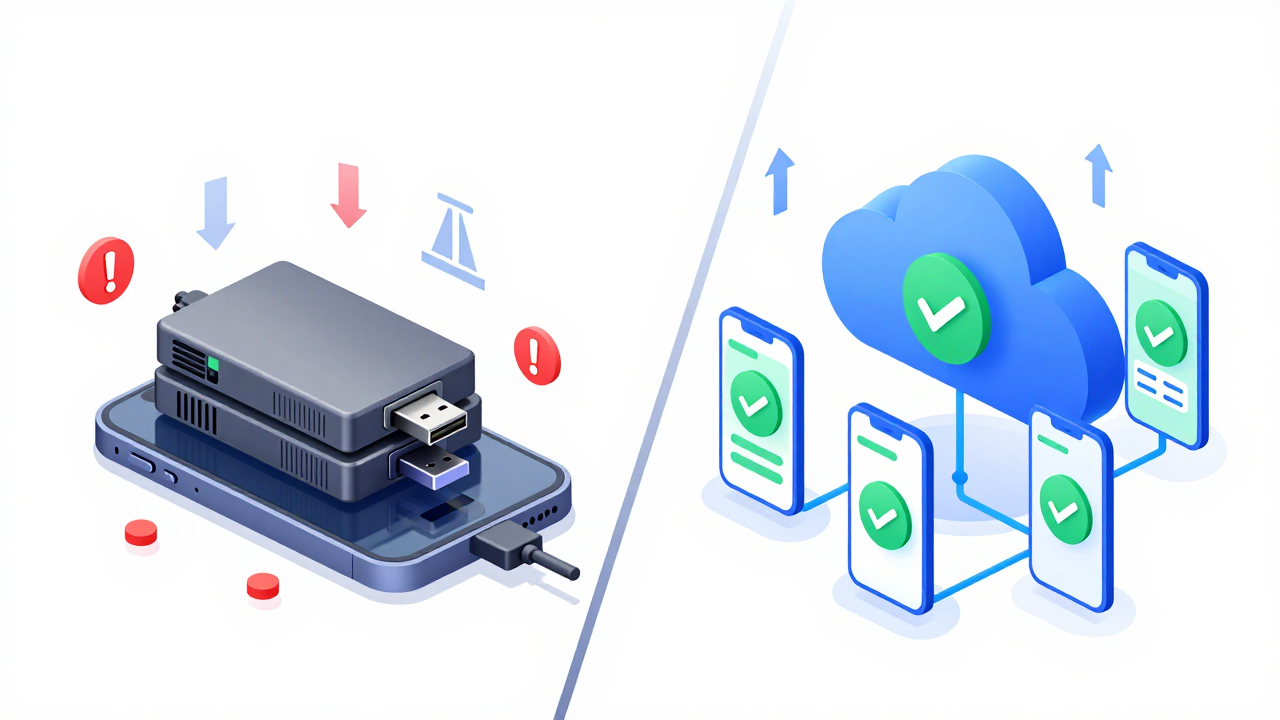
SMS verification code devices—whether physical hardware or cloud-based tools—help cross-border businesses and independent operators receive verification codes from overseas platforms. By 2026, the industry has largely shifted from local USB modem banks to cloud number pools and enterprise-grade SMS gateways. Choosing the right setup comes down to cost, success rate, and compliance risk. Here's a direct comparison to guide your decision.
2026Why Cross-Border Teams Still Rely on SMS Verification in 2026
Even though platforms like Google and Meta now push TOTP and Passkey as secondary authentication, SMS verification remains mandatory for new account registration, appeal processes, and binding payment methods. Industry observers note that over 70% of cross-border operations teams still need bulk SMS reception capabilities for account matrix management.
In 2026, the real value of SMS verification tools isn't just "receiving codes"—it's ensuring the stability and success rate of account registration, nurturing, and recovery workflows. A single device can no longer cover multi-platform, multi-region number requirements.
A cautionary tale: a Shenzhen-based team used regular consumer SIM cards to mass-register TikTok shop accounts in early 2026. Because the numbers were concentrated in one region and showed abnormal behavioral patterns, over 60% of accounts were banned within 48 hours, costing them tens of thousands of yuan. The lesson? Your equipment choice directly determines business continuity.
The Three Main Types of SMS Verification Solutions (2026)
| Solution Type | Typical Use Case | Monthly Cost Range | Success Rate | Risk Level |
|---|---|---|---|---|
| USB Modem Banks (On-Premise) | Small studios building their own setup | $70–$280 | 70%–85% | Medium (requires self-maintenance) |
| Cloud Number Pool API (Pay-Per-Use) | Mid-to-large cross-border teams | $0.04–$0.28 per code | 85%–95% | Low (platform-managed) |
| Enterprise SMS Gateway (Private Deployment) | Brands with strict compliance needs | $1,400–$7,000 | 90%+ | Low (requires licensing) |
2026 industry data shows that cloud number pool APIs outperform local modem banks in success rate, concurrent capacity, and cost flexibility—especially for operations managing more than 50 accounts. That said, the "purity" of the number pool directly affects how platform risk controls treat your accounts.
From my experience, local modem banks have become noticeably marginalized in 2026. Platform risk engines now cross-analyze device fingerprints and IP geolocation, making it hard for single-point hardware to mimic real user environments. If you're managing fewer than 5 accounts, stick with international roaming or physical SIM cards from your carrier—simpler and safer.
Choosing the Right Solution: Balancing Cost, Success Rate, and Compliance
Before purchasing any SMS verification equipment, answer three questions: How many accounts do you manage? Which platforms are you targeting? What's your budget ceiling? Your answers will point you to completely different solutions.
- 1–10 accounts: Buy physical SIM cards from the target country. Lowest cost, manageable risk.
- 10–100 accounts: Cloud number pool API is the standard choice—pay per use, scale as needed.
- 100+ accounts: Consider a private gateway or a dedicated service provider, plus a formal number lifecycle management process.
In 2026, most cross-border SMS providers offer a "number retention period"—the number stays available for a set time after verification, in case the platform sends a follow-up code. Look for providers that offer at least 24-hour retention to handle secondary verification scenarios.
Risk warning: some low-cost number pools source numbers from unofficial channels. These numbers may be recycled across users or have random geolocation, leading to failed deliveries or—worse—platform risk flags that link and ban your accounts. Don't compare prices alone.
How to Vet an SMS Verification Provider in 2026
What should I look for when choosing a provider?
Evaluate four things: country coverage of their number inventory, average SMS reception success rate, customer support response time, and whether they offer a number retention period. The 2026 industry consensus is that providers with success rates below 85% aren't worth a long-term commitment. Start with a small prepaid test of 20–50 messages to verify real-world performance on your target platforms.
Getfollow serves as a useful example here. In 2026, they offer cloud number API coverage across 50+ countries, supporting SMS reception for WhatsApp, Telegram, TikTok, and other major platforms. They advertise an 85%–95% first-attempt success rate, which makes them a reasonable candidate for mid-to-large account matrix teams to test with a small batch before committing.
Risk Control and Compliance Boundaries (2026)
Using SMS verification tools comes with an important caveat: mass account registration may violate platform terms of service and carries ban risk. In 2026, EU countries and several Southeast Asian nations have tightened regulations on SIM card实名制 (real-name registration) and virtual numbers. Verify that your provider complies with local laws before purchasing.
Industry consensus: the equipment and numbers themselves aren't illegal—the purpose determines compliance. Using them for account recovery and routine verification is legitimate. Using them for mass registration, account farming, or fake reviews exposes you to both platform bans and legal liability.
Practical recommendations: establish internal usage policies, log each number's purpose and lifecycle, purge low-frequency numbers regularly, and sign data protection clauses with your provider. If your business touches financial or healthcare platforms, skip the gray-area solutions and go straight to an enterprise-grade gateway.
Bottom Line and Next Steps
SMS verification devices remain essential for cross-border operations in 2026, but the selection criteria have evolved from "can it receive codes" to "is it stable, compliant, and scalable." Start by clarifying your account volume and budget, compare the options in the table above, then run a small paid test with any provider you're considering.
If you're managing more than 50 accounts and your SMS reception failure rate exceeds 15%, it's time to switch cloud number pool providers—or at least consult vendors like Getfollow that support pay-per-use testing. Let real data drive your decision.