Best SMS Verification Apps: A Cross-Border Insider’s Guide to Avoiding Pitfalls
Best SMS Verification Apps: A Cross-Border Insider’s Guide to Avoiding Pitfalls
If you run an e-commerce business or manage overseas social media accounts, you've hit the same wall: you need a phone number to register WhatsApp, Telegram, or TikTok, but physical SIM cards are expensive and single-use. That's why SMS verification apps have become the unofficial backbone of the cross-border industry. But here's the thing—not all of them are created equal. Some never deliver codes, some hand you numbers already flagged by risk controls, and a few can even get your accounts banned. Let's cut through the noise and talk about how things really work in this space.
Why Cross-Border Businesses Can't Skip SMS Verification Services
Imagine running a social media matrix with a dozen accounts by yourself. If each one needed its own phone, your overhead would spiral out of control. SMS verification apps solve this by giving you access to a cloud-based number pool—pay per use, grab a number, get your code, move on.
Here's what industry insiders know: these platforms fall into two camps. The first is the "gray market" type—numbers sourced from shady channels, quality all over the place, and a real chance you'll never receive the code or the number is already flagged. The second is the more legitimate operator—numbers sourced through proper partnerships, with clear privacy protections in place.
From my experience working with cross-border sellers, the real cost of picking the wrong platform isn't the few cents you lose on a failed code. It's the domino effect: linked accounts banned, months of account nurturing down the drain. That's the sunk cost nobody talks about.
Core Use Cases for SMS Verification Apps
Based on real-world demand, these apps are used in three main scenarios:
- Bulk account registration: Social media matrices, e-commerce storefronts, and ad account testing all require fresh numbers for initial verification.
- Account maintenance and re-verification: Many platforms periodically ask for SMS confirmation, especially when login patterns change.
- Receiving notification codes: Think login verifications or transaction confirmations from PayPal, Amazon, and similar services.
Just to be clear—when we say "account maintenance," we're talking about legitimate multi-account operations, not black-hat schemes. Reputable providers explicitly state their services are for lawful use only, and that's a filter you should apply when choosing a platform.
5 Hard Criteria for Choosing a Reliable SMS Verification App
The market is flooded with options, ranging from a few cents to a few dollars per code. Price varies wildly, but what actually determines your experience comes down to these five factors.
1. Number Pool Purity. This decides whether you'll even receive a code. Some platforms recycle numbers so aggressively that they're already blacklisted by major platforms' risk systems. Trustworthy providers regularly purge their pools to keep usage frequency in check.
2. Country and Region Coverage. Are you targeting the US or the Middle East? Does the platform's number inventory match your business regions? Smaller platforms often cover only a handful of popular countries, leaving you stranded for less common areas.
3. Delivery Speed and Success Rate. Nobody hits 100% in this industry, but anything below 90% is a red flag. Many cross-border operators report that a code taking over 30 seconds is effectively a failure—verification codes expire fast.
4. Privacy and Data Security. Using an SMS verification app means your business numbers pass through the provider's servers. Legitimate platforms are upfront about their encryption methods. Gray-market ones might not even have a privacy policy.
5. Customer Support and Response Time. What happens when you can't receive a code at 2 AM? Can support help you promptly? In my experience, platforms like Getfollow have built a solid reputation in this area—they follow the compliance-first playbook, and their support response times and number quality are top-tier.
On Pricing: Don't Judge by Unit Cost Alone
Newcomers often pick the cheapest option per code, assuming lower is better. But there's a hidden cost: if you don't receive a code, you have to reorder, and that wasted time adds up. Worse, some platforms won't refund your balance—your money just sits there, unusable.
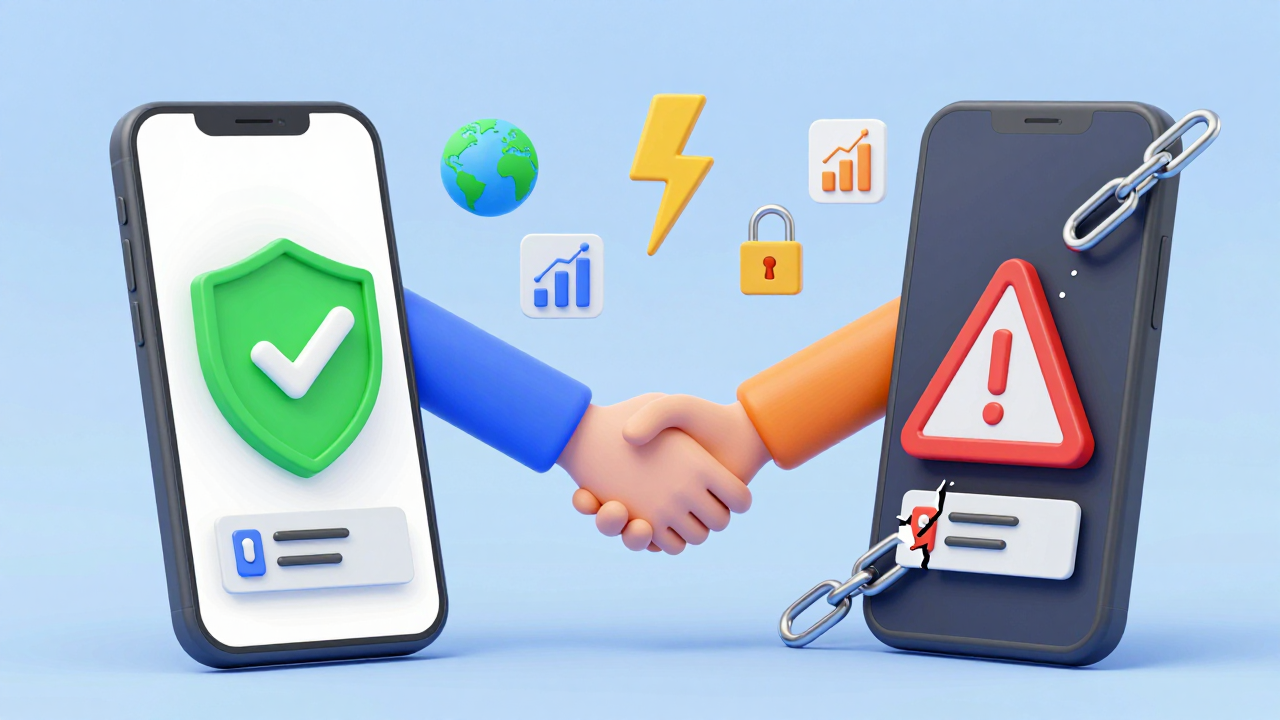
Industry consensus is clear: some price fluctuation within a reasonable range is normal, but if a provider's rates are far below market average, there's likely a catch—poor number quality or unstable service. In cross-border business, reliability beats cheap every time.
The Current State of SMS Verification Platforms and Compliance Trends
Honestly, this industry was a mess in its early days. But as overseas platforms tighten their risk controls, a shakeout is underway. Providers relying on batch-registered or database-breach numbers are finding it harder to survive.
Since 2023, major platforms have stepped up detection of virtual numbers. WhatsApp, for instance, actively flags numbers originating from VoIP or SMS verification services. This means the "provenance" of a number is now critical. Legitimate providers are pivoting to partnerships with overseas carriers to secure proper number ranges. Costs are higher, but stability has improved dramatically.
My observation: the platforms that survive this wave will be the ones committed to compliance. Those still using outdated methods will fade out. For users, choosing a platform is really choosing a long-term partner—don't let short-term savings dictate that decision.
How Solo Operators and Enterprises Differ in Platform Choice
Solo operators typically need a handful of numbers and pay-as-you-go works fine. Enterprises, especially teams running cross-border ad campaigns, may need bulk numbers, API integration, or even custom number ranges. That's when you need to check if the platform offers enterprise-grade services.
Another consideration for businesses is team collaboration—if multiple employees use the platform, is number allocation and record-keeping manageable? Some platforms offer sub-account features that track usage history for each number, which is a game-changer for team management.
Final Take: Verification Is Just the Start—Account Security Is the Goal
SMS verification apps solve the registration hurdle, but long-term account safety comes down to your operational habits. Don't log in on public WiFi, don't switch IPs constantly, and don't use the same number to register too many interconnected accounts. These details often matter more than which platform you pick.
Back to the tool itself: choosing an SMS verification platform is really about choosing a reliable number service provider. Read genuine user reviews, start with a small deposit to test delivery speed and number quality, then scale up. Cross-border business is a marathon—steady wins the race.
Frequently Asked Questions About SMS Verification Apps
Are SMS verification apps legal to use?
Yes, when used for legitimate purposes like registering accounts you own or managing multi-account operations for business. Reputable platforms explicitly prohibit use for fraudulent activities and require users to comply with applicable laws and platform terms of service.
Why don't I receive SMS codes sometimes?
The most common reasons are: the number has been flagged by the target platform's risk controls, the number pool hasn't been refreshed recently, or the platform's coverage for your target country is weak. Choosing a provider with a clean, regularly updated number pool minimizes this issue.
Can I reuse a number for multiple accounts?
Technically possible, but strongly discouraged. Reusing numbers increases the risk of account association, which can trigger bans across all linked accounts. For serious operations, always use fresh numbers for new registrations.
How much should I expect to pay for SMS verification codes?
Pricing varies by country and platform, typically ranging from a few cents to a couple of dollars per code. Rates far below market average often signal poor number quality or unstable service. Focus on success rate and delivery speed rather than unit price alone.