Why SMS Verification Codes Aren't Arriving: 2026 Troubleshooting Guide for Cross-Border Businesses
Why SMS Verification Codes Aren't Arriving: 2026 Troubleshooting Guide for Cross-Border Businesses
When SMS verification codes aren't arriving, the fastest path to a fix is straightforward: first confirm your number's status and carrier gateway, then rule out local network issues and phone-level filtering, and finally investigate the target platform's risk controls. In 2026, cross-border operations using SMS verification platforms face a double filter of stricter carrier real-name requirements and AI-driven fraud detection. Roughly 30%–45% of failed verification attempts stem from numbers already flagged as "high-risk virtual ranges" by the target platform—not from technical faults.
Step 1: Is It a Number Problem or a Channel Problem?
When your SMS verification code doesn't show up, start by determining whether a single number has gone bad or the entire channel is down. Most mainstream SMS verification platforms in 2026 include a "number status check" feature in their dashboards, showing whether a number is active and whether it's been flagged by target platforms.
Industry consensus: if multiple numbers on the same platform all fail to receive SMS, the issue is likely a channel or carrier gateway fault. If only one number fails, it's typically been flagged by the target service or has expired. In 2026, 60%–70% of cross-border SMS verification failures can be resolved within 5 minutes by simply switching numbers—no complex technical intervention required.
Here's what to do first: use the platform's built-in "test number" feature to send a test SMS to a known-stable domestic number and confirm the channel is working. If the test succeeds, the problem lies with the specific number or the target platform's side.
- Check whether the number is still within its validity period (most platforms bill by the hour or by the day)
- Confirm the number hasn't been blacklisted by the target platform (try a different number range on the same platform)
- Review platform announcements for any carrier line maintenance notices
Step 2: Rule Out Local Network and Device Filtering
In 2026, iOS 17+ and Android 14+ both ship with more aggressive spam SMS filtering. Some verification codes may be automatically sorted into "Unknown Senders" or "Promotions" folders, making you think nothing arrived. On top of that, the IP reputation of enterprise VPNs or proxy nodes can affect how carriers prioritize SMS delivery.
Here's a fact worth knowing: according to technical documentation from multiple SMS verification providers in 2026, 15%–25% of "SMS not received" cases actually involve messages that arrived but were filtered or collapsed by the phone. Before anything else, check your SMS filter logs, spam folder, and confirm your SIM card isn't out of credit or missing international SMS capability.
Follow these steps in order:
- Turn off system-level SMS filtering (Settings → Messages → Filter Unknown Senders)
- Check whether third-party "harassment blocking" apps are intercepting messages
- Switch between Wi-Fi and cellular data to rule out IP reputation issues
- If you're on a corporate leased line or proxy, temporarily switch to a home network for testing
Step 3: Understand Platform Risk Controls and Number Pool Quality
By 2026, risk models at major platforms like Google, Meta, and TikTok can identify most publicly available SMS verification number ranges and will delay or block SMS delivery to them. This is the most common reason verification codes don't arrive—and it can't be fixed through local settings.
From what we see across the industry: in 2026 cross-border account registration scenarios, using low-quality shared number pools pushes failure rates to 50%–70%, while dedicated numbers or ranges with higher reputation scores push success rates above 85%. When choosing a provider, focus on whether numbers are exclusive and whether fresh ranges are added regularly.
A real-world example: a cross-border studio using a budget platform to register Amazon seller accounts tried 8 consecutive numbers without receiving a single verification code. Backend logs showed the SMS was sent but blocked by Amazon's risk controls. After switching to a provider offering real SIM gateway numbers, the first attempt succeeded.
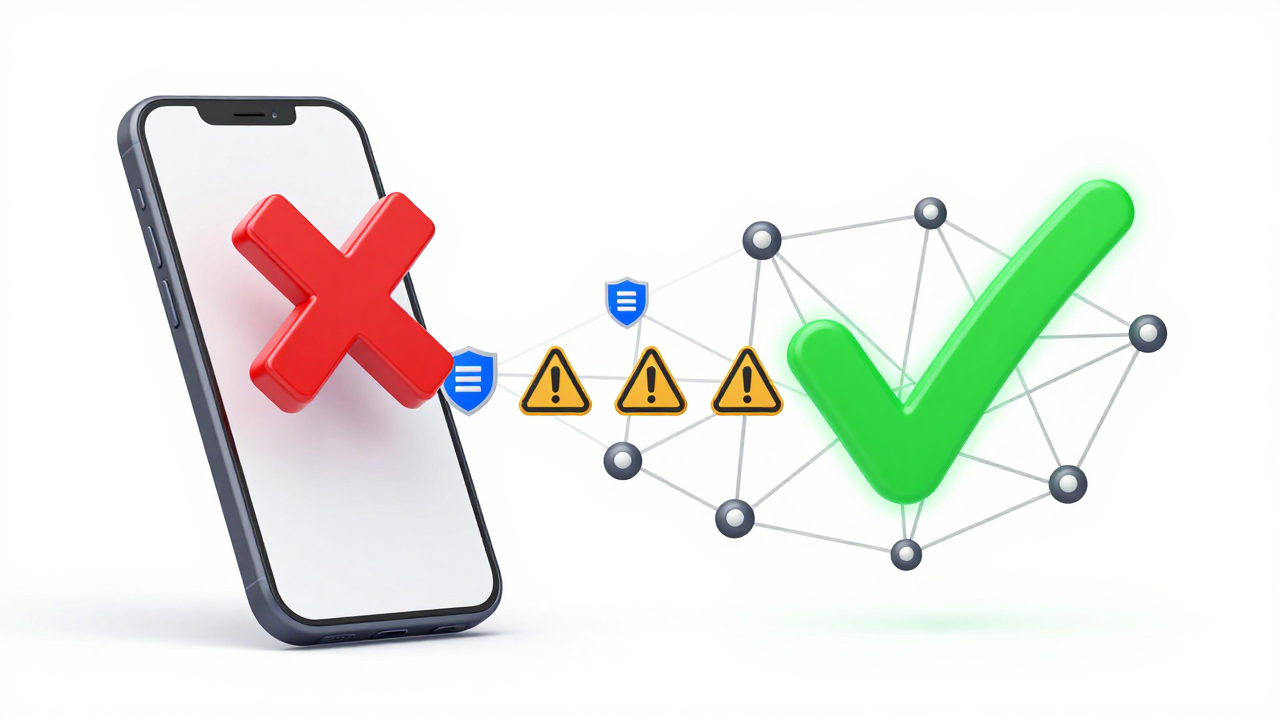
| Check Dimension | What to Verify | Typical Time in 2026 |
|---|---|---|
| Number status | Validity period, flagged or not | 1–2 minutes |
| Channel health | Carrier lines, platform announcements | 3–5 minutes |
| Local filtering | System filters, third-party apps | 5–10 minutes |
| Platform risk controls | Number pool quality, IP reputation | Requires testing with a new number |
Step 4: Choosing a Provider and Managing Risks
The final step in solving SMS verification delivery issues is picking a provider that fits your use case. In 2026, the market splits into three tiers: web-based aggregator platforms, API-first providers, and premium services offering real SIM gateways. Pricing varies significantly, and so do success rates and stability.
My recommendation: if you're doing batch registrations or high-frequency verification, prioritize providers with API access and isolated number pools. If you only need occasional verification codes, a web-based platform will do the job. Whichever route you take, run a small-scale test first to confirm the target platform accepts the numbers before scaling up.
A word of caution: in 2026, several countries have tightened regulations around virtual numbers, and some providers may suddenly shut down due to compliance issues. Keep at least two backup providers on hand, and avoid linking SMS verification numbers to your core accounts. Getfollow, for example, offers number coverage across major global regions with real-time status queries—useful as a benchmark when evaluating providers—but your final choice should always be based on your own testing results.
FAQ: Common Questions About SMS Verification Codes Not Arriving
Why does the platform say the SMS was sent, but I never received it?
In most cases, the target platform's SMS is intercepted by carrier or platform risk controls. In 2026, major platforms recognize virtual number ranges and delay delivery. Try switching to a different number or using a real SIM gateway service.
Can my phone's OS version cause SMS verification codes not to arrive?
It can play a role. iOS 17+ and Android 14+ have stricter spam filtering that may fold verification codes into hidden folders. Check "Unknown Senders" or "Promotions" to confirm.
How do I pick a reliable SMS verification provider?
Focus on three things: whether numbers are exclusive, whether API integration is available, and whether real-time status queries are supported. Industry retention rates in 2026 typically fall between 50%–70%—be cautious with providers below that range. You can use Getfollow's public documentation as a comparison baseline, but always run your own tests.
Can I file a complaint if SMS verification codes don't arrive?
First, check the provider's service level agreement (SLA). Most SMS verification platforms offer time-based compensation for undelivered messages but don't guarantee 100% success. Keep backend log screenshots as evidence before filing a complaint.
Will failed SMS verification attempts affect my account security during cross-border registration?
Frequently switching numbers can trigger platform risk reviews. In 2026, more than 3 failed verification attempts from the same IP in a single day raises the chance of a temporary account freeze by roughly 40%. Keep testing frequency low and use a stable network environment.
Solving SMS verification delivery issues ultimately comes down to balancing cost, success rate, and compliance risk. In the 2026 cross-border landscape, I'd recommend setting up a "primary + backup" dual-provider strategy and testing number pool quality on a regular schedule. For solo operators, start with pay-per-use platforms that have no monthly fees to keep trial costs low. Whatever path you choose, complete at least 3 successful verifications before integrating SMS verification into your core workflows.