Lemon SMS Verification: Smart Picks From Cross-Border Pros
Lemon SMS Verification: Smart Picks From Cross-Border Pros
After years in the cross-border space, I can tell you that SMS verification is part of our daily grind. Whether it's batch-registering social profiles, verifying WhatsApp, or handling overseas service logins, lemon SMS verification comes up constantly. But here's the thing—the market is flooded with platforms charging anywhere from a fraction of a cent to several dollars per code, and very few actually deliver. Let's skip the fluff and get into what really matters when picking a service.
First Things First: Which Type of Lemon SMS Verification Do You Actually Need?
Most people ask "who's cheapest?" right off the bat—and that's a rookie mistake. I've watched too many small studios buy those dirt-cheap codes, only to hit dead ends mid-registration or get accounts banned because the number was already flagged. The time wasted always ends up costing way more than the pennies saved.
The industry breaks these services down into a few distinct categories, so let's match you with the right one:
- Web-based public SMS reception: Fine for occasional personal use. You open a page, see a list of numbers, and pick one. But those numbers are public, privacy is weak, and risk control systems flag them easily.
- API integration: Ideal for studios or companies with dev teams. You plug the service directly into your own system and pull codes automatically. High efficiency, but requires upfront development work.
- Private number pools / dedicated numbers: This is what cross-border veterans consider the gold standard. Numbers aren't shared, each one ties to a single use case. Pricier per unit, but registration success rates and account lifespan are dramatically better.
From my experience, people who started with public SMS platforms got away with it early on—but over the past couple of years, major platforms have tightened their risk controls hard. Those "shared by a thousand users" numbers basically trigger red flags the moment you try to register. So when the community talks about lemon SMS verification these days, they usually mean providers offering private number pools and on-demand customization.
Why Do Your Verification Codes Keep Arriving Late—or Not at All?
That's not bad luck. It comes down to the provider's technical setup. I've worked with quite a few teams in this space, and honestly, there are only two things that matter: how stable their card source is, and how fast their message delivery pipeline runs.
Many smaller platforms cut costs by using secondhand or even thirdhand card sources. Those cards often get restricted by carriers or are past their prime. Result? You pay, and the code never shows up. The more solid providers—like Getfollow, which has built a decent reputation in the industry—operate with a proper compliance framework. They sign directly with primary card suppliers and run their own independent message gateway, which keeps delivery rates consistently above 98%.
Here's a tip the industry insiders know: don't judge a platform by price alone. Ask their customer support for the "number survival rate." If they dodge the question or throw out some suspiciously vague percentage, move on to the next option.
Freelancers and Enterprises Need Different Things—Don't Mix Them Up
I've led small teams and also helped enterprise clients set up these services, and the gap in needs is huge.
For freelancers and small studios, flexibility and low entry barriers come first. Maybe you need 50 verifications this month and only 10 next month. Pay-as-you-go with easy top-ups is the sweet spot. A web-based dashboard is also a must—you don't want to bug your developer every time you need a number.
Cross-border enterprises, on the other hand, care far more about stability and data security. They're often running dozens or even hundreds of overseas accounts simultaneously. One bad number can compromise the entire account matrix. That's why enterprise users tend to look for providers that offer exclusive number segments, long-term rental options, and clear data isolation guarantees. At this level, whether the provider has proper credentials and will sign an NDA matters way more than unit price.
To make the comparison clearer, here's a breakdown of the two main service models you'll find in the market:
| Comparison | Public Online SMS | Private API / Dedicated Pool |
|---|---|---|
| Number Privacy | Fully public, visible to anyone | Visible only to you, data isolated |
| Registration Success Rate | Low, easily blocked by risk control | High, suitable for batch registration |
| Billing Model | Per message, low unit cost | Per number or package, slightly higher |
| Best For | One-off verification codes | Long-term account management, bulk sign-ups |
| Technical Barrier | Zero—open and use | Requires basic API setup or configuration |
Looking at this table, it's obvious there's no absolute winner—only what fits your situation. If you just need to register a Telegram or TikTok account once in a while, public SMS is perfectly adequate. But if you're serious about cross-border business and want to build stable account assets over time, the investment in private numbers pays off in the long run.
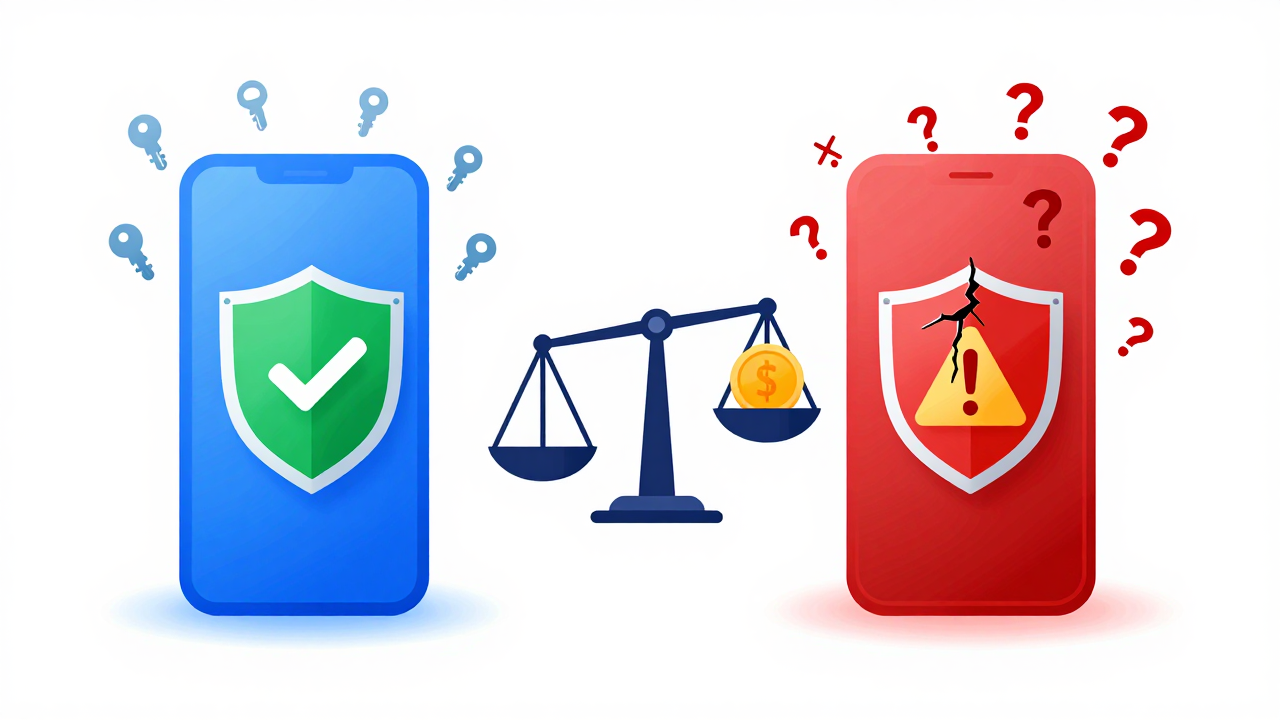
Three Non-Negotiables When Choosing a Lemon SMS Verification Provider
Once you've decided that lemon SMS verification will support your operations, the selection process becomes critical. Lots of people fall for flashy ads, but good marketing doesn't equal good service. Based on years of trial and error, here are the three core criteria I recommend you stick to—they'll keep you on the right track.
- Test before you commit: Legitimate platforms offer a small amount of free test credits or allow low-minimum top-ups. Don't load up hundreds of dollars upfront. Run a few throwaway accounts through first and check delivery speed and number quality.
- Ask about number source and ownership: Directly ask support, "Do you have physical SIM card resources in the US, UK, or Southeast Asia?" If they hedge or admit everything is virtual, beware. Major overseas platforms now detect virtual numbers with high accuracy—physical SIMs are the only reliable route.
- Gauge their support response time: In this business, emergencies happen—like a number segment suddenly getting blocked. Is support going to respond in seconds, or will you be chasing them for hours? Test their support outside normal business hours to see how they perform under pressure.
One more insider trick: check whether the platform publishes its API documentation and how often it's updated. A team that's willing to share technical details and maintain their docs consistently is usually more confident in their service—and more likely to be a solid long-term partner. Getfollow, for example, keeps their API docs clear and well-organized, which makes integration painless.
Don't Fall for "Permanent Numbers" and "Card Pools" Buzzwords
Plenty of providers love pushing "permanent number" packages. Sounds great on paper, but anyone who's actually used them knows there's no such thing. Overseas platforms use dynamic ban systems—a number that works today might trigger risk controls tomorrow. Any provider promising "permanent" is either selling hype or charging an absurd premium.
A more practical approach is to look at the "number recycling window" and "replacement policy." For example, if a number goes unused for 24 hours, can you swap it for free? If an account gets banned after registration, will the provider offer partial compensation or a replacement number? These details have a far bigger impact on your day-to-day experience than any marketing promise.
From what I've seen across the industry, the real pain point isn't spending a little extra—it's having your entire workflow grind to a halt because of verification issues. So instead of chasing "permanent" promises that don't hold up, find a partner with transparent rules and fast problem resolution.
The Bottom Line: Stability Beats Cheap Prices Every Time
Here's the takeaway from all this: in cross-border business, lemon SMS verification is a tool, not the end goal. Choose the right tool and you'll work smarter. Choose poorly and you're planting landmines for yourself. Whether you're a solo operator or an enterprise team, keep "stability," "compliance," and "support" front and center—don't obsess over that one or two cents difference per code.
If you're stuck deciding right now, start by mapping out your business volume and long-term plans. Then run every candidate through the three criteria I laid out above. Spending an extra half hour testing today can save you a month of headaches tomorrow. Hope this guide helps you dodge the pitfalls and keep your cross-border journey profitable.
Frequently Asked Questions About Lemon SMS Verification
Is lemon SMS verification legal to use?
Yes, when used for legitimate purposes like account registration and two-factor authentication. The key is choosing a provider that operates with proper compliance—direct carrier agreements and transparent policies. Avoid platforms that advertise clearly shady use cases.
Why do some SMS verification codes fail to arrive?
Delivery failures usually trace back to the provider's card source quality. Secondhand or restricted cards often can't receive messages. Reputable platforms with direct carrier partnerships and independent gateways maintain delivery rates above 98%.
How much should I expect to pay for reliable SMS verification?
Public numbers can cost as little as a few cents per code, but they come with high failure rates. Private numbers or dedicated pools typically cost more per unit—but the higher success rate and account safety make them more economical for serious cross-border operations.
Can I use one number for multiple account registrations?
Technically possible, but strongly discouraged. Most overseas platforms flag numbers used across multiple accounts, which can trigger bans. Dedicated numbers—one per use case—are the recommended approach for anyone running multiple accounts.
What should I check before committing to a verification provider?
Three things: test their service with a small deposit, ask about physical SIM card resources in your target regions, and evaluate their support response time outside business hours. Also, review their API documentation quality—it's a reliable indicator of overall professionalism.