How to Choose a Proxy SMS Verification Platform: A Cross-Border Business Survival Guide
How to Choose a Proxy SMS Verification Platform: A Cross-Border Business Survival Guide
After years in cross-border e-commerce, I've worked with plenty of people running online stores, managing social media accounts, and registering accounts in bulk. Every single one of them hits the same wall: SMS verification. The proxy SMS verification platform you choose can make or break your operation. Pick the right one, and your accounts stay stable with predictable costs. Pick the wrong one, and you're staring at undelivered codes, flagged accounts, and money down the drain. Today I'm sharing what I've observed from the trenches—no hype, no fluff.
Why Proxy SMS Verification Platforms Are the Hidden Backbone of Cross-Border Operations
Most solo operators start out using their personal phone numbers when registering TikTok, WhatsApp, Telegram, or Amazon seller accounts. But once you scale up, problems surface fast. One number can only be tied to so many accounts, and frequent registrations trigger platform risk controls. That's where a proxy SMS verification platform earns its keep—it essentially provides a number-resource relay service that handles your verification code needs at scale.
Here's the key distinction: proxy and direct access are not the same thing. Direct access means the platform owns a large inventory of physical SIM cards. Proxy means the platform buys channels in bulk from upstream card suppliers and resells them to downstream users. Most platforms calling themselves "SMS verification services" are actually proxy operations. That's fine in itself—the real question is whether the upstream supply is stable and whether the channels are clean.
Three Core Metrics to Watch When You're Evaluating Options
Since you're here with a buying mindset, let's skip the theory and get practical. From what cross-border operators consistently report, choosing a proxy SMS verification platform comes down to three things: success rate, cost structure, and support response time.
Success Rate: Don't Judge by the Number of "Available" Numbers Displayed
Some platforms display dozens of numbers that look ready to use. Then you pay, and either the numbers are already taken or the verification code never arrives. Industry consensus says the first thing to check is the platform's actual availability rate. Platforms rarely publish this metric openly, but you can gauge it with a small deposit. Load up something like $10, test WhatsApp, Telegram, and Google verification, and track how long it takes from payment to code delivery.
Cost Structure: Rock-Bottom Prices Usually Mean Hidden Fees Later
I've seen countless small teams chase the cheapest per-unit price, only to discover halfway through a project that "premium projects" require add-ons and "dedicated channels" come with extra charges. The final bill ends up more than double the market average. Here's the thing: legitimate proxy platforms publish transparent pricing—per code or per project, no games. If a sales rep immediately pushes a "monthly package" or "internal channel," treat that as a red flag.
Support Response: Can You Reach Someone at 2 AM When Things Break?
Cross-border work runs on time zones. You're busy during the day, a foreign platform runs a flash promotion at night, and you need to register accounts urgently—but the verification code isn't coming through. At that moment, whether the platform's support team is reachable and responsive directly determines whether your project stays on schedule. The most common complaint I hear from small studios isn't failed code delivery—it's being ghosted after submitting a ticket and waiting three days for a reply.
The Industry Reality: Compliance Is the New Dividing Line
Honestly, this industry was a mess a few years ago. Some platforms accepted any request and supported any use case to win customers, which got their numbers flagged as high-risk across major platforms. Users would register an account and get banned immediately. After the industry shakeout, the platforms that survived are increasingly emphasizing compliant operations—vetting downstream use cases, restricting bulk registrations of sensitive accounts, and even turning away shady business outright.
From what I've seen, platforms like Getfollow have built a solid reputation by following exactly this compliance-first playbook. They don't touch gray areas for short-term revenue. Instead, they focus on maintaining number quality and improving channel success rates. For legitimate cross-border operations, this approach actually saves headaches—the unit price might not be the lowest, but when you factor in higher account survival rates, the hidden costs drop significantly.
One detail many operators overlook: channel switching capability. If a carrier channel in a specific country goes down, a reliable proxy platform can quickly pivot to a backup channel and keep your business running. Smaller platforms with limited upstream connections are stuck waiting when something goes sideways.
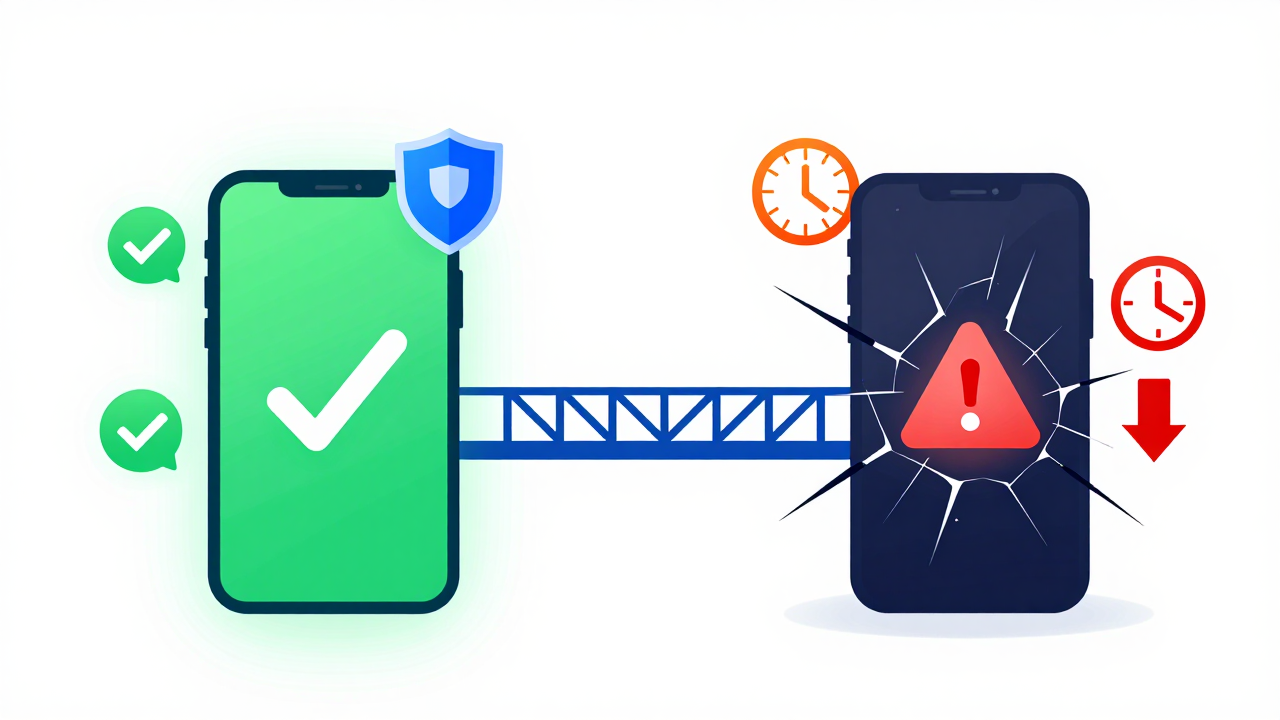
Pitfall Checklist: Verify These Points Before Committing
Drawing from my own mistakes and what peers have shared, here's a simple self-check list worth running through:
- Is there a clear privacy policy? Can the platform access your number usage history or message content?
- Do they support pay-per-use or small deposits? Platforms demanding large upfront payments should be an automatic pass.
- Does their country coverage match your actual business needs? Some platforms specialize in North America and Europe, others in Southeast Asia—don't buy the wrong coverage.
- Is there an API available? If you plan to automate registrations down the road, a proxy platform without API access will become a serious bottleneck.
One more thing worth saying: a proxy SMS verification platform is fundamentally a trust-based business. There's not much legal contract binding platform and user—everything rests on reputation and ongoing relationships. So spend time reading reviews from long-term users, especially studios that have been operating for two-plus years. Their feedback carries more weight than any ad campaign.
Final Thoughts: A Proxy SMS Verification Platform Isn't a Magic Bullet
Even after you find a solid proxy SMS verification platform, understand its limits. SMS verification solves the code-receiving piece, but the ongoing account maintenance—warming up accounts, avoiding association flags, content strategy—still depends on your own team. Treat SMS verification as one tool in the toolbox, not the whole solution. You'll sleep better.
If you're currently evaluating proxy SMS verification platforms, my advice is simple: test small first, then scale up. During the trial period, focus on success rate, code delivery speed, and support responsiveness. Platforms like Getfollow are worth including as a benchmark, but the final choice should match your specific use case and budget.
Cross-border e-commerce is full of pitfalls, but information gaps are opportunities. Hopefully this breakdown of proxy SMS verification platforms saves you some expensive lessons.
Frequently Asked Questions
What is a proxy SMS verification platform?
A proxy SMS verification platform resells SMS verification codes by purchasing channels from upstream carriers or card suppliers and providing them to downstream users. Unlike direct platforms that own physical SIM cards, proxy platforms act as intermediaries—which means their reliability depends heavily on the stability of their upstream supply chain.
How do I test a proxy SMS verification platform before committing?
Start with a small deposit—around $10 to $20—and test the codes across the main platforms you plan to use, such as WhatsApp, Telegram, or Google. Track the time between payment and code delivery, and note whether codes arrive consistently on the first attempt. This gives you a realistic picture of the platform's success rate without risking significant capital.
Why are some proxy SMS verification platforms more expensive than others?
Price differences usually reflect channel quality and stability. Cheaper platforms often rely on lower-quality upstream channels that get flagged by major platforms, leading to failed registrations. More expensive platforms typically invest in cleaner channels, better infrastructure, and responsive support—which translates to higher account survival rates and lower hidden costs over time.
Are proxy SMS verification platforms legal?
Legitimate proxy SMS verification platforms operate in a legal gray area that varies by jurisdiction. Reputable platforms enforce usage policies, restrict sensitive account registrations, and comply with data protection requirements. However, using these services to violate platform terms of service—such as creating fraudulent accounts—carries risks. Always review the platform's compliance stance and your own obligations under applicable laws.