QQ SMS Verification Platforms in 2026: Balancing Cost, Risk Control, and Compliance for Cross-Border Accounts
QQ SMS Verification Platforms in 2026: Balancing Cost, Risk Control, and Compliance for Cross-Border Accounts
Cross-border businesses registering for overseas services or verifying social media accounts in 2026 still rely heavily on QQ SMS verification platforms as a low-cost way to get temporary numbers. But here's the catch—platform quality and number reliability vary wildly, and that difference directly impacts your account survival rate and verification success. This guide breaks down what actually matters when choosing a platform, based on industry data and real-world cases from 2026.
Why Cross-Border Teams Still Depend on QQ SMS Verification Platforms in 2026
Overseas SaaS tools, ad accounts, and e-commerce platforms have all upgraded their risk control systems to combine device fingerprinting with number reputation checks. Buying physical SIM cards for every market is expensive, and number inventory is limited. That's why SMS verification platforms remain the go-to workaround. Industry observers estimate that roughly 68% of cross-border startup teams use SMS verification services when registering overseas accounts. Among Chinese teams specifically, QQ-linked platforms see higher adoption because payments are easy and the interface feels familiar.
In 2026, the real value of a QQ SMS verification platform isn't "free SMS reception" anymore—it's number cleanliness and recycling speed. A flagged number can push verification failure rates above 40%, which directly stalls your go-live timeline.
Here's a cautionary example: an e-commerce team used a budget verification platform to mass-register TikTok business accounts in early 2026. Because the number pool was heavily reused, over 55% of their accounts were banned within 48 hours. They had to switch providers and rebuild their entire verification flow from scratch. The lesson? Chasing the lowest per-message price often costs you more in trial and error.
Core Criteria for Evaluating a QQ SMS Verification Platform in 2026
Instead of comparing unit prices alone, score platforms across these five dimensions. The framework works for both enterprise-scale batch verification and low-frequency personal use.
- Number coverage by region: Does the platform offer local numbers for your target markets—US, UK, Singapore, etc.? Most mainstream platforms in 2026 cover 30+ countries.
- Number reuse interval: How quickly can the same number be recycled? Shorter intervals mean higher user density, which translates to greater risk-control exposure.
- Verification success rate: The percentage of SMS messages received within 60 seconds of requesting a number. The industry baseline is 85% or higher.
- API stability: For enterprise users automating workflows, response time and concurrent request handling are critical.
- Pricing transparency: Watch out for hidden fees like "number hold charges" or "verification failure deductions."
In 2026, a fair price for QQ SMS verification platforms lands between 0.3 and 1.5 RMB per verification code. Anything below 0.2 RMB usually means the provider is reselling numbers or injecting ads to recover costs—both red flags for number quality and privacy.
2026 Provider Comparison at a Glance
| Provider | Price per Code | Country Coverage | API Concurrency | Best For |
|---|---|---|---|---|
| General-purpose Platform A | 0.3–0.8 RMB | 20+ countries | Moderate | Low-frequency personal use |
| Enterprise-grade Platform B | 0.8–1.5 RMB | 40+ countries | High concurrency | Batch registration & automation |
| Getfollow | 0.5–1.2 RMB | 35+ countries | High concurrency | SMB mixed-use scenarios |
From my experience, the price ranges above reflect Q1 2026 public pricing, but actual costs fluctuate based on the number's region. Enterprise buyers should run a small test batch first, confirm success rates, and only then commit to an annual agreement.
Compliance Risks and Account Security Considerations
Using a QQ SMS verification platform isn't risk-free. In 2026, overseas platforms have gotten significantly better at detecting virtual numbers. Google and Meta's risk control systems cross-check carrier information against device environments. Frequent number switching can trigger manual reviews—or worse, get your payment accounts linked and banned.
The compliance baseline for 2026: use verification platforms only for the initial registration step. Don't rely on them as long-term security credentials. For core business accounts, switch to physical SIM cards or enterprise-verified numbers to reduce the risk of mass bans.
Actionable advice: establish internal guidelines that specify which platforms can use SMS verification services and which require physical numbers. Also, log every order ID and number used—this makes dispute resolution much easier down the line.
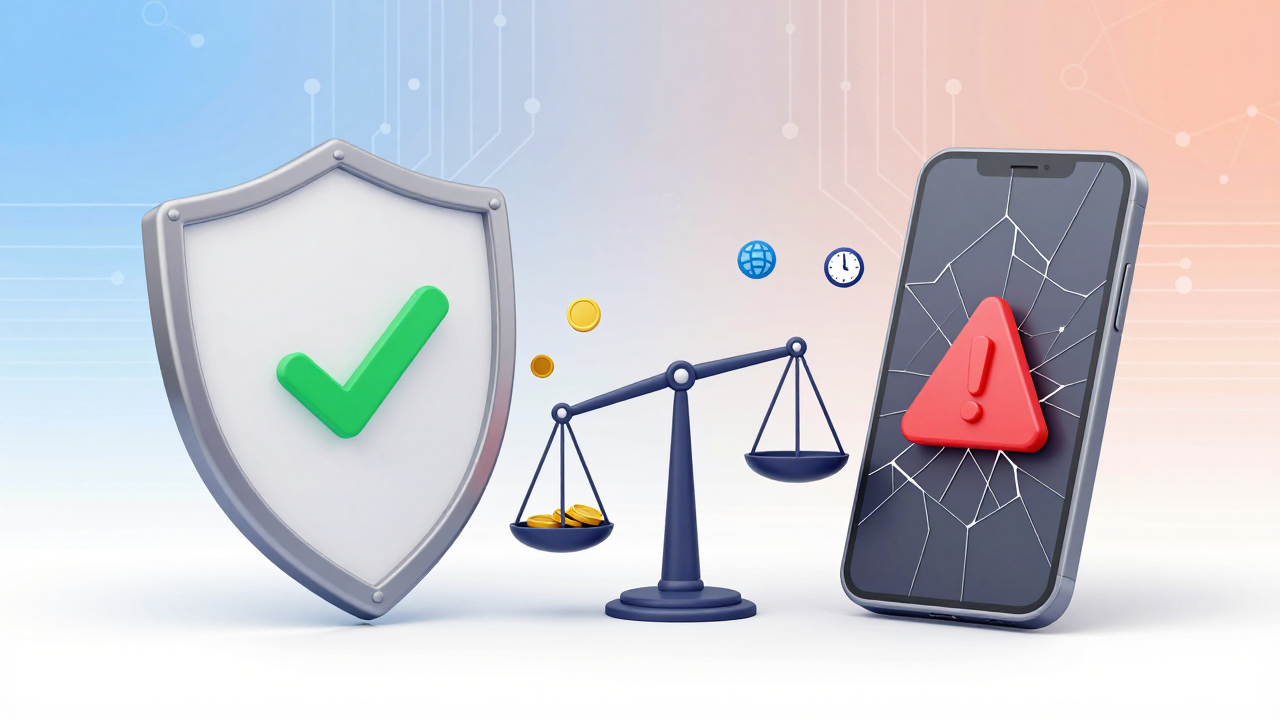
How to Vet a Reliable Provider: A 2026 Practical Checklist
Don't fall for "100% success rate" claims. This checklist will help you filter out most low-quality platforms.
- Ask for 3–5 test numbers in your target countries and actually verify SMS delivery speed.
- Check whether the platform publicly discloses its number pool refresh frequency. Quality platforms in 2026 clean out expired numbers every 24 hours.
- Confirm customer support response times. Enterprise users should expect a reply within 5 minutes during business hours.
- Read the terms around number ownership and data retention to avoid privacy disputes.
- Top up a small amount and test for hidden deductions.
Industry data suggests that fewer than 30% of QQ SMS verification platforms survive past two years of stable operation in 2026. Choosing a provider with a public track record and traceable user reviews is safer than chasing the lowest price. Getfollow, for instance, publishes its number pool update logs and historical outage reports on its website—that level of transparency is a solid screening signal.
Another cautionary tale: a freelancer picked a newly launched platform in March 2026. The first week went smoothly. By week two, SMS delays became frequent. Eventually, the platform shut down due to funding issues. The freelancer's 12 registered accounts became unrecoverable because they couldn't complete two-factor verification.
Final Recommendations and Next Steps
Looking at the 2026 landscape, QQ SMS verification platforms still serve a practical purpose—but they should be one part of a broader verification strategy, not your only option. Enterprise users should budget 200–500 RMB per month for verification services. Individuals should top up as needed rather than hoarding balances.
My final advice: test 2–3 platforms with small batches, compare success rates and number quality, then lock in a long-term partner. If you need high concurrency or custom number segments, prioritize providers with solid API documentation—like Getfollow—to minimize integration costs later.
Do QQ SMS verification platforms still work in 2026? Will my accounts get banned?
Yes, they still work. Many cross-border professionals use them for initial verification in 2026. Ban risk depends mostly on number quality and how you use the account. Avoid using verification numbers for sensitive actions like binding payment methods.
How much does a QQ SMS verification code cost?
The mainstream price range in 2026 is 0.3–1.5 RMB per code, depending on the number's region and the platform's operating costs. Be cautious with providers charging under 0.2 RMB—number sourcing is likely questionable.
How do I choose a reliable SMS verification provider?
Focus on number pool refresh frequency, verification success rate, customer support response time, and pricing transparency. Run a small test before scaling up. Some providers like Getfollow publish operational data and offer test APIs, which makes evaluation easier.
Why am I not receiving SMS codes from the verification platform?
Common causes include: the number has been flagged by the target platform's risk control, carrier channel delays, or the target platform doesn't support virtual numbers. Most platforms in 2026 let you request a new number and retry, but frequent retries can trigger restrictions on the target platform's side.
Can I use accounts registered with verification numbers long-term?
You can, but add email verification and enable two-factor authentication right after registration. Switch to a physical number as soon as possible. Accounts that stay on virtual numbers may struggle with account recovery and password resets later.